Valdo Calocane: Public Inquiry Uncovers Disturbing Details in Nottingham Attacks Aftermath
The name Valdo Calocane has resurfaced in public consciousness as a comprehensive public inquiry scrutinizes the events leading up to and following the devastating Nottingham attacks. The inquiry is focusing on the actions and decisions of mental health services and other agencies involved in Calocane's care, particularly in light of the horrific violence he perpetrated. Recent testimonies and reports have brought disturbing new details to light, prompting widespread concern and a demand for answers.
What Happened?
In January 2024, Valdo Calocane was sentenced for the attacks that claimed the lives of Barnaby Webber, 19, Grace O'Malley-Kumar, 19, and Ian Coates, 65. The victims were stabbed to death, and three other people were injured. Calocane, who had a history of mental health issues, was diagnosed with paranoid schizophrenia. The recent public inquiry has begun to examine the critical period before the attacks, focusing on how mental health services managed Calocane's condition.
Key Revelations from the Inquiry
The public inquiry has heard testimony that has raised significant questions about the adequacy of the mental health support provided to Calocane. One of the most startling revelations is that a hammer was reportedly returned to Calocane after he had been sectioned under the Mental Health Act. This detail has led to intense scrutiny of the procedures and decision-making processes within the mental health trusts involved. The ability of an individual deemed to be a risk to be in possession of such an item, even after being detained, has led to widespread alarm.
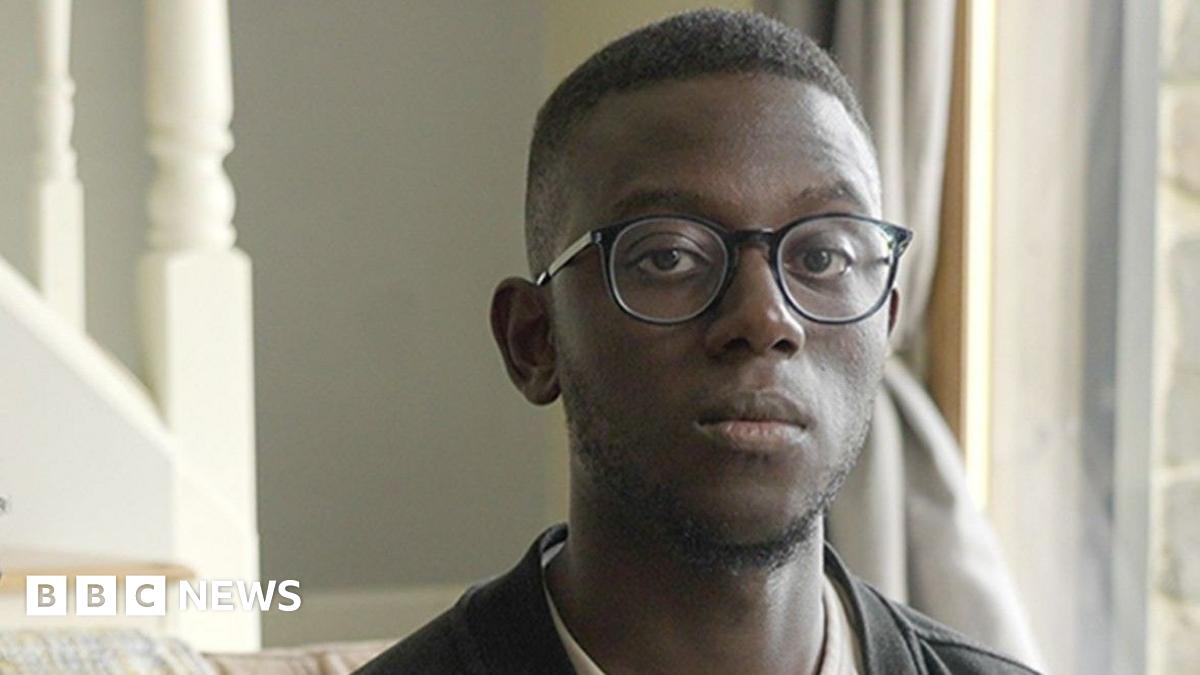
Further adding to the unsettling narrative, the brother of Valdo Calocane has provided evidence detailing unusual communications from his sibling. He described receiving an "I love you" message and a text message containing "red rum" – a backward spelling of "murder" – shortly before the attacks. These messages, alongside the concerning detail about the returned hammer, suggest a potential breakdown in communication or assessment protocols that could have prevented the tragedy.
Why This Matters: Systemic Failures and Public Safety
The ongoing inquiry into Valdo Calocane's case is of profound importance for several reasons. Firstly, it directly addresses the adequacy of mental health care and the safeguarding of the public when individuals with severe mental illnesses pose a significant risk. The alleged return of a weapon to a patient under section raises critical questions about patient safety, staff training, and the effectiveness of risk assessments within mental health facilities.
Secondly, the inquiry seeks to provide closure and accountability for the families of the victims, who deserve to understand how such a tragedy could have occurred and what measures can be put in place to prevent future incidents. The transparency of this process is vital for public trust in the institutions responsible for mental health care and public safety. As the brother stated, he felt "powerless" witnessing the events unfold, a sentiment that likely resonates with many observing the systemic challenges highlighted by the inquiry.
Background Context: Mental Health and Criminal Justice
Valdo Calocane's case brings into sharp focus the complex intersection of mental health and the criminal justice system. Individuals diagnosed with severe mental illnesses, such as paranoid schizophrenia, can pose a risk to themselves and others if not adequately treated and managed. The legal framework, including the Mental Health Act, is designed to facilitate compulsory treatment and detention in cases where individuals are deemed a danger to themselves or others. However, as this case suggests, the implementation and oversight of these measures can face significant challenges.
The ability of the system to accurately assess risk, communicate effectively between different agencies (such as mental health services, police, and social services), and ensure that appropriate safeguards are in place is paramount. The narrative emerging from the inquiry suggests that there may have been critical failures in these areas, prompting a review of existing protocols and potentially leading to significant reforms in how high-risk individuals with mental health conditions are managed.
What to Expect Next
The public inquiry is expected to continue hearing evidence and testimonies from various stakeholders, including mental health professionals, law enforcement officials, and family members. The proceedings are likely to be detailed and emotionally charged as they work to reconstruct the timeline of events and identify any systemic shortcomings.
Ultimately, the inquiry aims to produce a report with findings and recommendations. These recommendations could lead to significant changes in mental health legislation, policy, and practice across the UK. The goal is to ensure that lessons are learned from the Nottingham attacks and that steps are taken to prevent similar tragedies from happening again. The public will be closely watching for the outcomes, hoping for a future where robust mental health support and effective risk management systems prevent such devastating loss of life.
"The inquiry is examining decisions made by mental health services regarding Calocane, including the return of a hammer to him after he was sectioned."
- Based on reporting from The Times
The testimony from Calocane's brother, detailing his "unusual" "I love you" message and the "red rum" text, adds a deeply personal and disturbing dimension to the broader systemic questions being raised. It underscores the critical need for comprehensive and effective communication channels, both within families and between professional bodies, when dealing with individuals exhibiting concerning behaviors and severe mental health conditions.