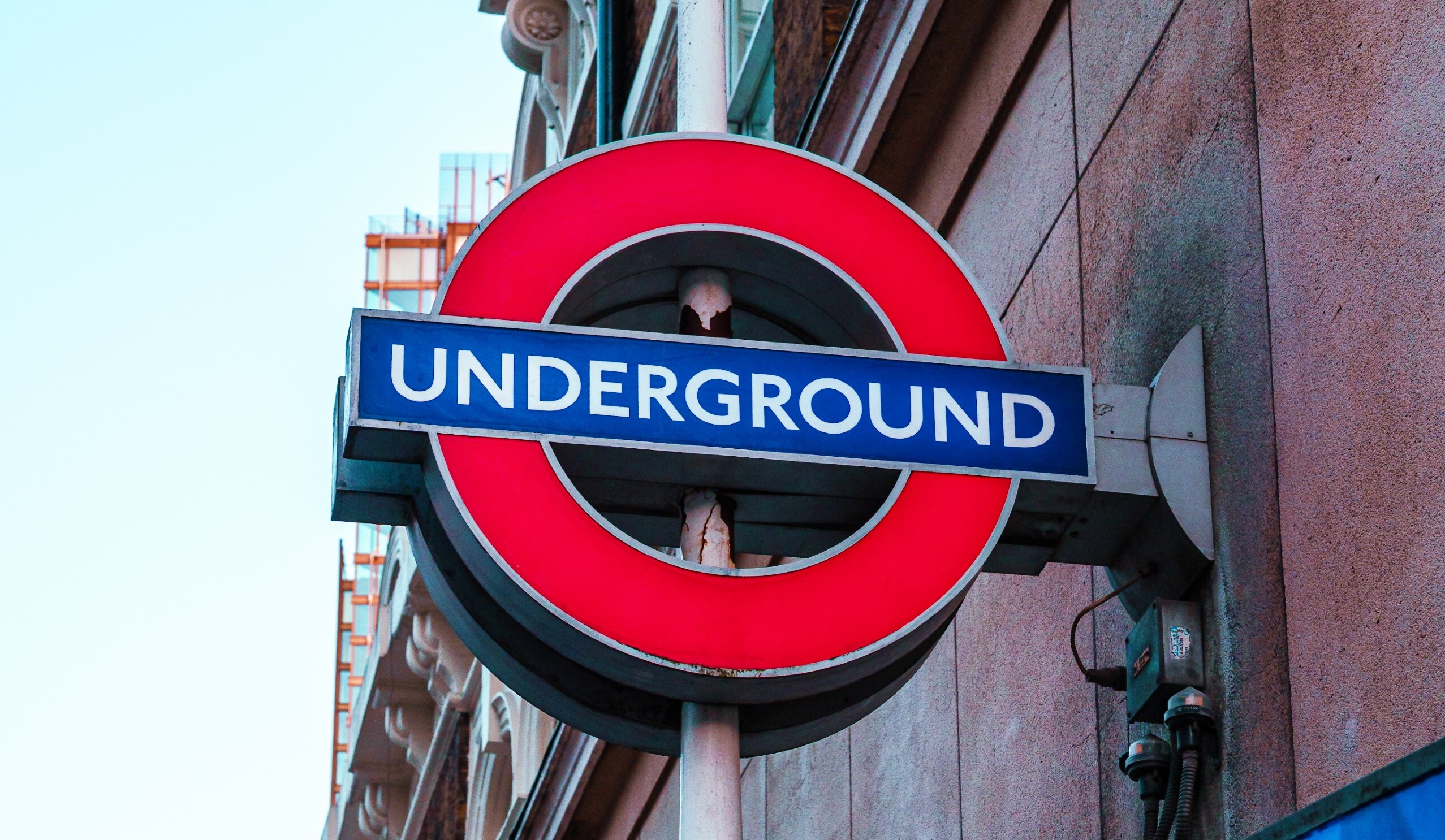
London's Tube Network Faces May Disruption Amidst Ongoing Strikes
What Happened?
The "tube strikes May" trend reflects a period of significant industrial action affecting London Underground services. Unions, most notably the RMT (Rail, Maritime and Transport Workers' Union), have been engaged in strikes causing widespread disruption. These actions have led to cancellations, reduced services, and considerable inconvenience for millions of daily commuters, tourists, and businesses relying on the Tube network. The situation has become so critical that crisis talks have been initiated, with the Mayor of London, Sadiq Khan, directly engaging with union leaders to find a resolution.
Why It Matters
The impact of Tube strikes extends far beyond the inconvenience of delayed or cancelled journeys. London's economy is heavily reliant on its public transport system. When the Tube network is disrupted, businesses suffer from reduced footfall, employees face difficulties getting to work, and the city's reputation as an accessible global hub is challenged. For Londoners, these strikes represent a direct blow to their daily routines, increasing travel times and costs, and adding significant stress to their lives. Furthermore, the ongoing disputes highlight deeper issues within transport sector industrial relations, often concerning pay, pensions, and working conditions, which are vital for the wellbeing of transport workers.
Background Context
Industrial action on the London Underground is not a new phenomenon, but the current wave of strikes in May has gained particular traction due to its timing and the intensity of the disputes. Historically, Tube strikes have often been related to pay negotiations, proposed changes to pensions, or concerns over job security and working practices. The RMT union, in particular, has a strong track record of organizing industrial action to press its demands. These disputes often involve complex negotiations between the union, Transport for London (TfL), and sometimes national government representatives, as TfL's funding and operational decisions can be influenced by broader economic policies. The "May" trending aspect points to specific, recently announced or occurring strike dates that have dominated headlines and social media discussions.
Key Areas of Dispute Often Include:
- Pay and wages, especially in light of the cost of living crisis.
- Pension reforms and the sustainability of retirement benefits for TfL staff.
- Job security and potential redundancies.
- Working conditions and the implementation of new technologies or operational changes.
The involvement of Mayor Sadiq Khan in urging unions to resolve disputes indicates the high level of political and public pressure being exerted. His public statements often aim to balance the rights of workers with the needs of the travelling public and the city's economy.
What to Expect Next
Following the crisis talks and public appeals, the immediate expectation is for continued intense negotiations between TfL and the unions. The outcome of these talks will determine whether further strikes are averted or proceed as planned. Travellers are strongly advised to remain vigilant and check TfL's official channels, news outlets, and travel apps for the latest updates on service status and any newly announced industrial action. contingency plans are often put in place by TfL to mitigate the worst effects of strikes, including running skeleton services on some lines or encouraging the use of other public transport like buses and Overground services. However, these measures are often insufficient to fully compensate for the loss of the Tube. Passengers should prepare for potential delays and consider alternative routes or modes of transport on days affected by strikes. The resolution of these disputes could set a precedent for future industrial relations within the transport sector.
"Travellers are warned over further Tube disruption ahead of fresh strikes by drivers." - ITV News
The ongoing nature of these negotiations means that the situation remains fluid. It is crucial for anyone planning to travel in London during this period to stay informed. The goal for all parties involved will be to reach a sustainable agreement that respects the concerns of transport workers while ensuring the reliable operation of London's vital transport network.