Naval Vigilance: Understanding the "Shadow Fleet" and Its Implications
The term "shadow fleet" has surged into public consciousness following recent reports detailing a significant increase in Russian-linked vessels entering sensitive maritime zones, particularly UK waters. This phenomenon isn't just about routine shipping; it involves vessels that often operate under sanctions or with obscured ownership, raising serious questions about international maritime law, security, and economic stability.
What Happened? The Surge in Shadow Fleet Activity
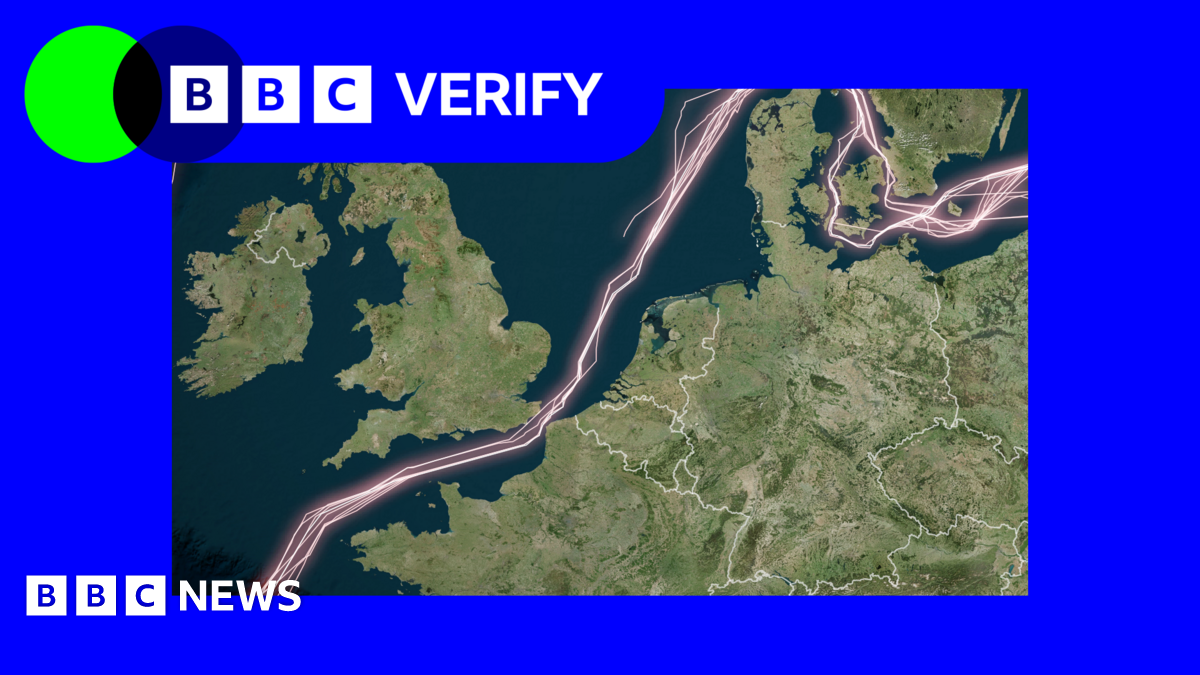
Recent news outlets have highlighted the alarming presence of nearly 200 sanctioned Russia-linked ships in UK waters. This influx has triggered increased vigilance from maritime authorities, most notably the Royal Navy. One prominent example cited is the extended surveillance of a Russian frigate that was tracked for an entire month off the UK coast. This sustained monitoring effort involved a considerable deployment of resources, including approximately 250 personnel and 30 days of continuous Wildcat helicopter flights, underscoring the commitment and complexity involved in tracking such movements.
Why It Matters: Security and Sanctions Concerns
The "shadow fleet" refers broadly to vessels that operate outside of traditional regulatory oversight or are used to circumvent international sanctions. In the context of Russia, these fleets have become a critical tool for bypassing economic sanctions imposed following geopolitical events. These sanctions aim to restrict a nation's ability to trade oil and other commodities, thereby limiting its financial resources. By utilizing ships with opaque ownership, reflagging them, or employing crews that obscure their origin, sanctioned nations can continue to export goods and import necessary supplies.
The presence of these vessels in proximity to the UK and other Western nations' waters is a cause for concern for several reasons:
- Sanctions Evasion: The primary issue is that these ships facilitate the circumvention of legitimate international sanctions, undermining global efforts to exert economic pressure.
- Maritime Security Risks: Vessels operating without adequate oversight may pose increased risks of accidents, pollution, or even intentional interference with maritime traffic. Their opaque nature makes it difficult to ascertain their true intentions or operational standards.
- Intelligence Gathering: The close proximity of certain vessels, particularly warships often associated with these fleets, can be interpreted as a form of intelligence gathering or a show of force.
- Economic Impact: The ability of sanctioned entities to continue trading disrupts global markets and can impact energy prices and supply chains.
Background Context: The Evolution of Sanctioned Shipping
The concept of a "shadow fleet" predates current geopolitical tensions but has gained significant prominence in recent years. Historically, it has been associated with illicit activities such as smuggling or operating in hazardous conditions. However, the scale and sophistication of the current "shadow fleet" are unprecedented, particularly concerning state-sponsored actors aiming to circumvent comprehensive international sanctions.
Following Russia's invasion of Ukraine and the subsequent imposition of widespread sanctions by Western allies, Russia has increasingly relied on its own shipping capacity and affiliated vessels to continue its global trade, especially in oil. This has led to the rapid expansion and repurposing of older vessels, as well as the acquisition of new ones by entities willing to operate outside the established international maritime insurance and financial systems. The complexity arises from the web of shell companies, changing ship registries, and ship-to-ship transfers used to mask the origin and destination of cargo.
"The Royal Navy's commitment to tracking these vessels highlights the significant challenges posed by a global maritime environment where sanctions compliance and security are increasingly intertwined."
What to Expect Next: Increased Monitoring and Geopolitical Tensions
The recent spotlight on the "shadow fleet" is likely to result in continued and potentially intensified monitoring by naval forces and maritime security agencies. Governments may explore further regulatory measures, including stricter enforcement of existing sanctions and potentially new international agreements to enhance transparency in shipping. The actions of these vessels also contribute to ongoing geopolitical tensions, serving as a constant reminder of the complex economic and security challenges posed by state-level sanctions evasion.
Expect continued reports on naval deployments aimed at tracking these ships and potential diplomatic responses from concerned nations. The ability of the "shadow fleet" to operate underscores the evolving nature of international trade and security in an era of geopolitical competition. The effectiveness of sanctions in the long term may hinge on the international community's ability to counter these sophisticated evasion tactics.