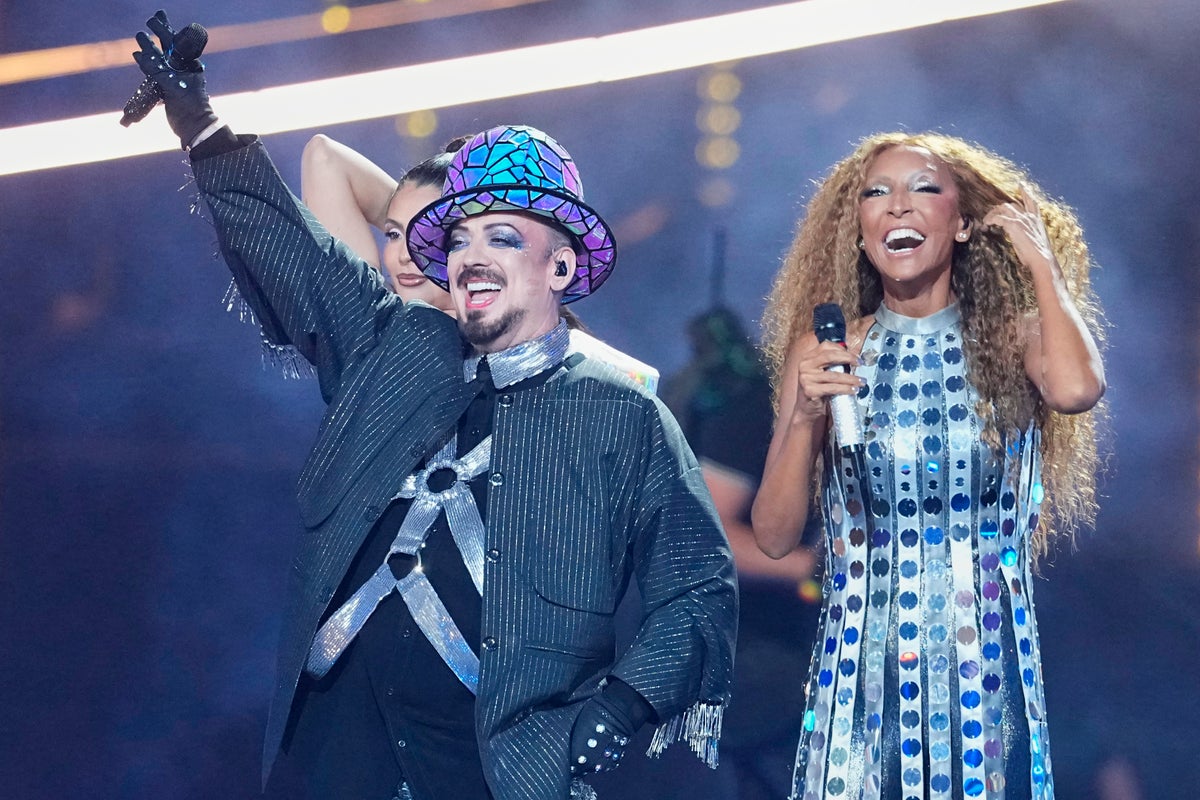
Boy George and San Marino: A Eurovision Journey That Captivated and Concluded
The unmistakable voice of Boy George, a global music icon, recently echoed through the Eurovision Song Contest, but this time under the flag of San Marino. The collaboration, which brought a significant amount of international attention to the microstate's Eurovision efforts, ultimately concluded without reaching the final round of the competition. This outcome has sparked conversations about the performance, the broader implications for San Marino's musical representation, and the country's future ambitions in the popular European music spectacle.
What Happened: The Eurovision Dream Falls Short
Boy George, the charismatic frontman of Culture Club, was selected to represent San Marino in the Eurovision Song Contest. The announcement itself was a major talking point, given George's legendary status in the music industry. His participation was seen as a significant coup for San Marino, a nation that has historically faced challenges in achieving consistent success in the contest. Unfortunately, despite the widespread interest and the star power of Boy George, their entry did not garner enough votes during the semi-final to advance to the grand final. This development, while disappointing for fans and the delegation, is not an uncommon occurrence in the highly competitive Eurovision landscape.
Why It Matters: Raising San Marino's Profile
San Marino, one of the smallest countries in Europe, has consistently used Eurovision as a platform to increase its international visibility. While the country has had moments of success, including a remarkable sixth place in 2014, a strong showing in the final remains an elusive goal. Partnering with a global artist like Boy George was a bold strategy aimed at maximizing impact and potentially securing a higher profile for San Marino on the European stage. Even without reaching the final, the association with such a prominent figure undoubtedly brought significant media attention and discussion to the nation. This kind of exposure can have broader benefits, extending beyond just the music scene to tourism and cultural exchange.
Background Context: San Marino's Eurovision History
The Republic of San Marino has participated in the Eurovision Song Contest since 2008, with a few breaks in between. Their participation is managed by Radiotelevisione della Repubblica di San Marino (SMRTV). Over the years, the country has experimented with various selection methods, including internal selections and national finals, often aiming to find an act that can resonate with both local and international audiences. Notable participants before Boy George include Valentina Monetta, who represented San Marino three times, and Senhit. The country's commitment to the contest, despite its size, demonstrates a strong desire to be a part of the European cultural conversation.
“We have a good relationship with the UK and we'd love to do more. We're quite interested in working with more British artists for Eurovision,” stated a San Marino representative following the contest, highlighting their positive experience and future aspirations.
The Strategy: Poaching British Pop Stars?
In the wake of Boy George's participation, San Marino's Eurovision delegation has openly expressed their interest in continuing to collaborate with British artists. Reports suggest that they are looking to replicate the success and attention generated by Boy George's involvement. This strategy signals a potential shift towards leveraging the established appeal and global recognition of British pop music figures to enhance San Marino's chances and visibility in the contest. The idea is to bring familiar faces to the Eurovision stage, hoping their inherent fan bases and the media's interest will translate into better results.
What to Expect Next: Future Collaborations and Ambitions
While the immediate goal of reaching the Eurovision final with Boy George did not materialize, the experience seems to have fueled San Marino's ambition. The delegation's comments indicate a proactive approach to future contests. Fans and followers of Eurovision can anticipate San Marino potentially announcing further high-profile collaborations, possibly with other artists from the United Kingdom's rich music pool. Whether this strategy will yield the desired results of a top-tier Eurovision finish remains to be seen, but it is clear that San Marino is committed to making a significant mark on the European music scene through innovative and attention-grabbing partnerships.
The Eurovision Song Contest is known for its diverse range of participants and its ability to bring different cultures and musical styles together. San Marino's decision to enlist a global superstar like Boy George, and their subsequent desire to work with more British talent, is a testament to the evolving strategies employed by nations to stand out in this fiercely competitive arena. As the dust settles on this year's competition, the focus now shifts to what the next chapter will hold for San Marino on the Eurovision stage.