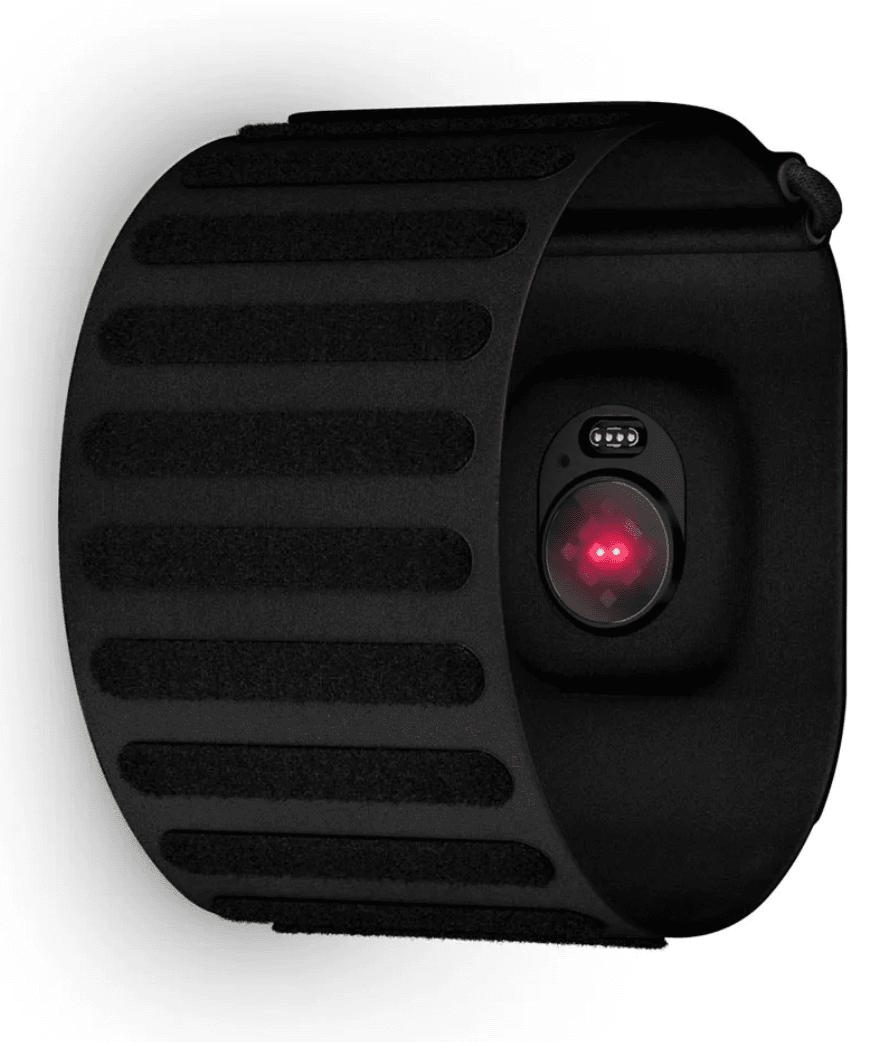
Garmin Cirqa: The Next Frontier in Wearable Tech?
The tech landscape is abuzz with speculation surrounding the potential launch of a new wearable device from Garmin, codenamed "Cirqa." Recent filings and industry whispers suggest that Garmin is gearing up to enter or significantly bolster its presence in the advanced health and fitness tracking market, a segment currently dominated by brands like Whoop and Fitbit. The "Cirqa" name has appeared in various regulatory filings, a common precursor to new product releases, setting the stage for what could be a major move by the established GPS and wearable giant.
What Happened? The Emergence of Garmin Cirqa
The primary driver behind the "Garmin Cirqa" trend is the appearance of this name in new product filings. While Garmin is renowned for its GPS devices, smartwatches, and sports-focused wearables, the "Cirqa" moniker is linked to features and capabilities that suggest a move towards more in-depth physiological monitoring, particularly stress and recovery tracking. News outlets have reported on these filings, with some pinpointing potential launch windows. For instance, reports from the5krunner suggest that dates around July 15th or July 22nd, 2026, are being considered for a launch, although this remains speculative.
Furthermore, "Cirqa" is being positioned as a potential rival to devices like the Whoop strap and the upcoming Fitbit Air. This comparison is significant, as Whoop has carved out a niche with its advanced recovery and strain metrics, while Fitbit, now under Google's umbrella, is also pushing the boundaries of health tracking. The implication is that Garmin's Cirqa will not just be another smartwatch but a sophisticated tool focused on understanding the body's response to training, stress, and daily life.
Why It Matters: Garmin's Strategic Play
The potential arrival of Garmin Cirqa matters for several reasons. Firstly, it signifies Garmin's intent to compete more directly in the specialized health monitoring segment. While Garmin already offers extensive health metrics in its popular Fenix and Forerunner lines, a dedicated device like Cirqa could bring a level of focus and detail that appeals to athletes and health-conscious individuals seeking to optimize their performance and well-being through granular data. The emphasis on "stress sensor" features, as reported by Tech Times, points to a technology that analyzes physiological responses to stress, offering insights into recovery and readiness.
Secondly, it intensifies competition in the wearable market. For years, Whoop has been a leader in the recovery-focused wearable space, offering a subscription-based model that provides deep insights. Fitbit, with its recent acquisitions and product development, is also a formidable competitor. Garmin's entry with Cirqa could disrupt this dynamic, potentially offering a different approach, perhaps with different pricing models or a more integrated ecosystem for its existing user base. This increased competition is ultimately beneficial for consumers, likely leading to more innovative features and potentially better pricing across the board.
Background Context: Garmin's Evolution
Garmin has a long and rich history in navigation and sports technology. Starting with GPS devices for aviation and automotive sectors, the company has successfully transitioned into the consumer wearable market. Its product lines, such as Forerunner for runners, Fenix for multisport athletes, and Venu for general fitness, are highly regarded. Garmin has consistently focused on robust hardware, long battery life, and accurate GPS tracking.
In recent years, Garmin has significantly expanded its health and wellness features, incorporating heart rate monitoring, blood oxygen saturation (SpO2), advanced sleep tracking, and stress scores into its devices. However, dedicated stress and recovery analysis, which is the core proposition of devices like Whoop, has been a gap that Cirqa appears poised to fill. The "Fitbit Air rival" framing suggests Garmin is looking to directly challenge products that excel in these specific areas.
What to Expect Next: The Road to Launch
The "imminent" nature of the launch, as suggested by Tech Advisor, means consumers may not have to wait too long to see what Garmin Cirqa has to offer. Based on typical product development cycles and the reporting of potential launch dates, we can anticipate official announcements and product reveals in the coming months. Consumers can expect Garmin Cirqa to offer:
- Advanced stress and recovery tracking capabilities.
- Detailed physiological data analysis.
- Integration with the existing Garmin Connect ecosystem.
- Potentially a new user interface or companion app optimized for this specific type of data.
- A design that balances durability with comfort for 24/7 wear.
The "Cirqa" name itself doesn't immediately reveal its purpose, but given Garmin's track record, expect a device that is data-driven, reliable, and built for performance.
As the launch approaches, more details are likely to emerge through further filings, leaks, or official teasers from Garmin. The key question for consumers will be how Cirqa differentiates itself from existing market leaders and how it integrates advanced physiological insights into a user-friendly experience.