Drone Warfare Intensifies: Ukraine Strikes Target Russian Infrastructure
The landscape of modern warfare is rapidly evolving, with unmanned aerial vehicles, commonly known as drones, playing an increasingly prominent role. Recent events have brought the concept of drone warfare to the forefront of global discussions, particularly in the context of the ongoing conflict between Ukraine and Russia. Multiple reports indicate a surge in drone activity, with Ukrainian forces reportedly conducting strikes deep within Russian territory, targeting both industrial infrastructure and residential areas. These actions have resulted in casualties and raised concerns about the expanding reach and effectiveness of drone technology in armed conflicts.
What Happened?
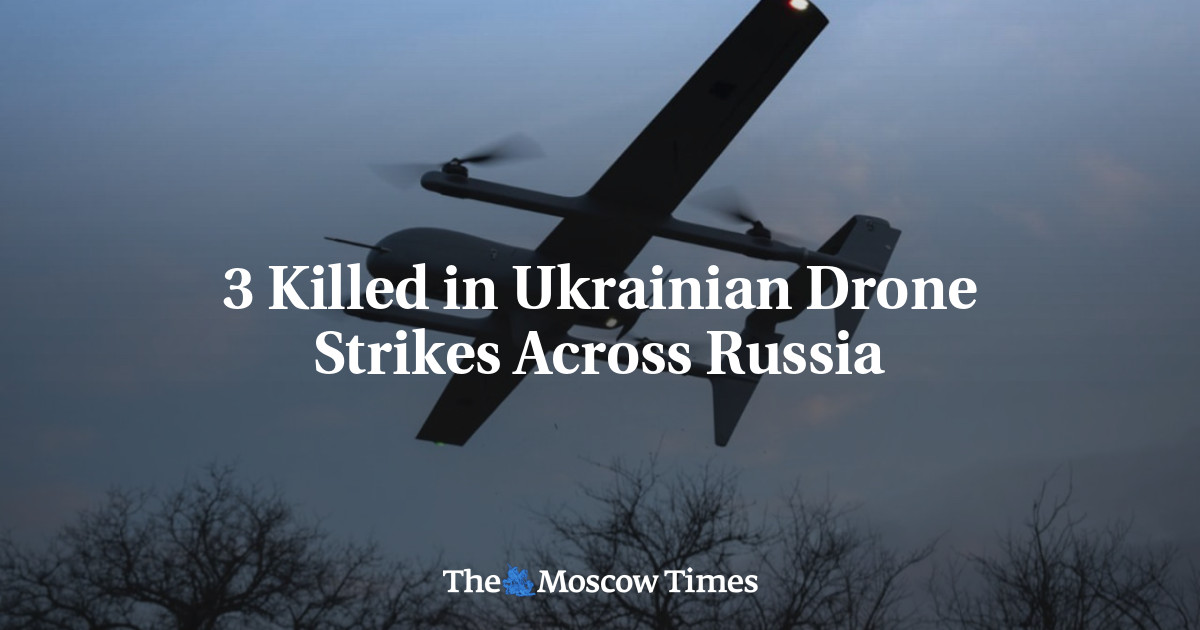
Recent news highlights a series of drone attacks attributed to Ukrainian forces across Russia. In one significant incident, a damaged multi-storey apartment building in Syzran, located in Russia's Samara Region, was hit by a Ukrainian drone, resulting in casualties. This attack was not an isolated event; reports also indicate that drones targeted the same region for a second consecutive night, leading to a fire at a petrochemical plant. The Moscow Times has reported on these strikes, noting that at least three people were killed in drone strikes across Russia.
Why It Matters: The Strategic Impact of Drone Warfare
The increasing frequency and sophistication of drone attacks carry significant strategic implications. Firstly, these strikes demonstrate Ukraine's capability to project force beyond front lines and inflict damage on Russian soil, impacting morale and economic targets. The targeting of petrochemical plants, in particular, suggests a strategic effort to disrupt Russia's energy sector and its ability to fund the war effort. Secondly, the use of drones in populated areas, as evidenced by the strike on an apartment building, raises critical humanitarian concerns and highlights the challenges of distinguishing between military and civilian targets in a complex battlefield environment. This escalates the conflict and blurs the lines of traditional warfare, forcing a re-evaluation of international humanitarian law and civilian protection protocols.
Background Context: The Rise of Unmanned Aerial Vehicles
Drones have been utilized in military operations for decades, initially for reconnaissance and surveillance. However, technological advancements have dramatically expanded their capabilities, transforming them into versatile platforms for strike missions, electronic warfare, and even logistics. The current conflict in Ukraine has served as a testing ground for various drone technologies, from small, commercially available quadcopters adapted for military use to larger, more sophisticated unmanned combat aerial vehicles (UCAVs). Both sides have employed drones extensively, but the recent Ukrainian strikes underscore a strategic shift towards offensive operations deep within enemy territory. This trend is a continuation of a broader global development where nations are heavily investing in and refining their drone warfare capabilities, recognizing their cost-effectiveness and reduced risk to personnel compared to manned aircraft.
What to Expect Next
The intensification of drone warfare is likely to continue, with several potential developments on the horizon:
- Increased Sophistication: Expect further advancements in drone technology, including improved autonomy, stealth capabilities, and swarm tactics.
- Counter-Drone Measures: Russia and other nations will likely accelerate the development and deployment of effective counter-drone systems to defend against these threats. This could include advanced radar, electronic jamming, and directed energy weapons.
- Expansion of Targets: As capabilities grow, drone strikes may target a wider range of objectives, from critical infrastructure and military installations to supply lines and command centers.
- Geopolitical Implications: The effectiveness of drone warfare in conflicts like the one in Ukraine could influence military doctrines and procurement decisions globally, potentially leading to a new arms race in unmanned systems.
- Regulatory Challenges: The increasing use of drones in conflict zones will continue to pose challenges for international law and arms control, requiring new frameworks and agreements to govern their deployment and use.
The strategic use of drones by Ukraine against Russian targets signals a critical shift in asymmetrical warfare. It demonstrates a capacity to inflict significant economic and psychological damage, pushing the conflict into new dimensions beyond the traditional front lines.
The events unfolding highlight that drone warfare is no longer a futuristic concept but a present-day reality with profound implications for global security. The ability of drones to reach deep into enemy territory, bypass traditional air defenses, and execute precision strikes is reshaping military strategy and demanding urgent attention from policymakers and military planners worldwide.