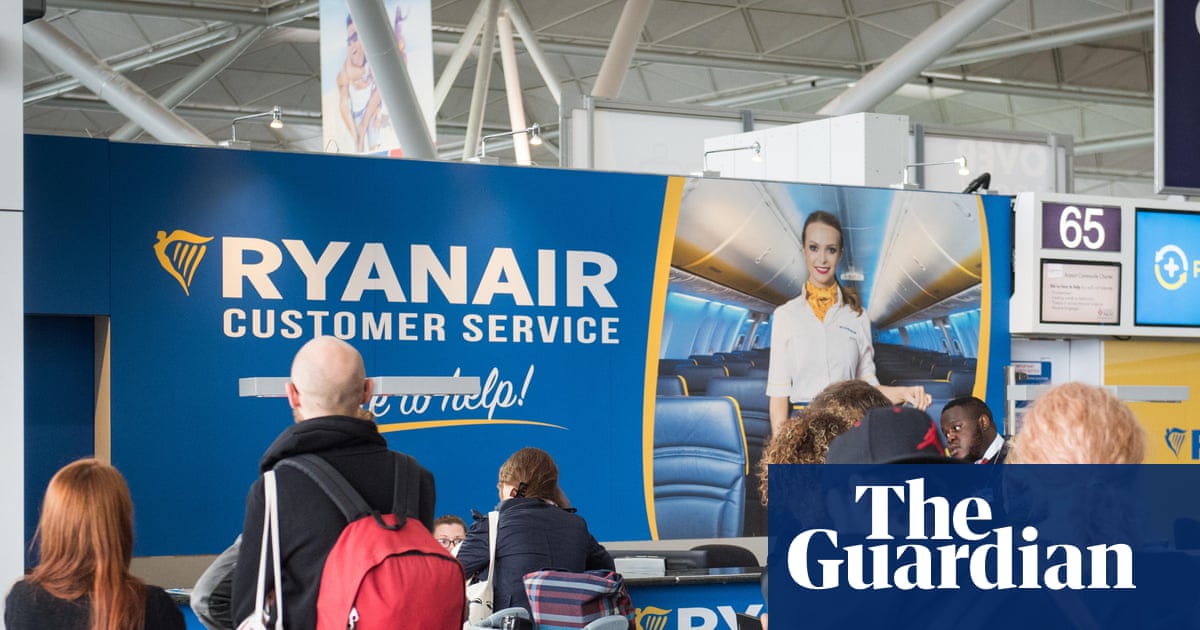
European Border Control Chaos Leads to Ryanair Check-in Changes
Recent operational adjustments by the airline Ryanair have thrust the complexities of border control back into the spotlight. The budget carrier has announced it will close its check-in desks earlier for flights, a move directly attributed to concerns over prolonged queues and delays passengers are experiencing at European border control points. This development highlights the ongoing strain on border management systems and their impact on air travel efficiency.
What Happened?
Ryanair, a prominent airline operating across Europe, has decided to implement stricter check-in deadlines. Initial reports suggested that check-in desks would close 20 minutes before a flight's scheduled departure. However, subsequent information indicates this policy might be even more stringent, with some reports stating check-in desks will close 60 minutes before departure. The primary driver behind this decision, as communicated by the airline, is the perceived chaos and significant delays occurring at various European border control checkpoints. Passengers are reportedly facing extended waiting times, which can jeopardize their ability to meet standard boarding deadlines.
Why Does This Matter?
The changes implemented by Ryanair have direct implications for thousands of travelers. For passengers, this means less flexibility and a reduced window to complete check-in procedures, resolve any issues with their booking, or handle unexpected travel document problems. The earlier closure of check-in desks increases the risk of passengers missing their flights, even if they arrive at the airport with what they believe is ample time. This situation shines a light on:
- Passenger Experience: The potential for increased stress and inconvenience for travelers.
- Airport Operations: A possible indicator of broader logistical challenges within airports related to security and immigration processing.
- Border Management Efficiency: The effectiveness and capacity of border control systems across the Schengen Area and other European nations are being questioned.
The effectiveness of border control is crucial for the seamless flow of both goods and people, particularly within integrated regions like the European Union. When these systems become overloaded or inefficient, the ripple effects can be substantial, impacting not only individual travelers but also the tourism and business sectors that rely on efficient travel.
Background Context: The European Border Landscape
Europe's border control system is a complex network, particularly within the Schengen Area, which allows for free movement among member states without internal border checks. However, external borders of the Schengen Area, as well as borders between non-Schengen EU countries and within Schengen countries when temporary measures are in place, are subject to rigorous checks. These checks often involve passport control, security screening, and, in some cases, visa verification.
Several factors can contribute to increased border queues:
- Increased Travel Demand: Post-pandemic travel surges have put immense pressure on border services.
- Staffing Shortages: Many border control agencies have faced challenges with recruitment and retention, leading to fewer officers during peak times.
- Technological Limitations: Outdated systems or a lack of automated gates can slow down processing.
- Heightened Security Measures: Increased global security concerns necessitate more thorough checks, which inherently take more time.
- Coordination Issues: Disparities in procedures and technology between different countries can create bottlenecks.
The recent news from Ryanair suggests that these pressures are reaching a critical point, forcing airlines to adapt their own operations to mitigate the impact of what they perceive as systemic delays at border crossings.
What to Expect Next
It remains to be seen whether other airlines will follow Ryanair's lead in adjusting their check-in policies. The situation will likely prompt further scrutiny of border control operations at major European airports. Authorities may be compelled to address the staffing, technological, or procedural issues that are contributing to the delays. Passengers are advised to stay informed about specific airline policies and allow extra time for airport procedures, especially when traveling internationally within or to Europe. The ongoing discussion around border control efficiency is expected to continue, potentially leading to calls for greater investment and reform in border management infrastructure and personnel across the continent.
"The chaos at European border controls is causing significant operational challenges for airlines, forcing us to adapt our procedures to ensure a smoother travel experience for the majority of passengers, despite the inconvenience."
- Implied sentiment from Ryanair's policy change.