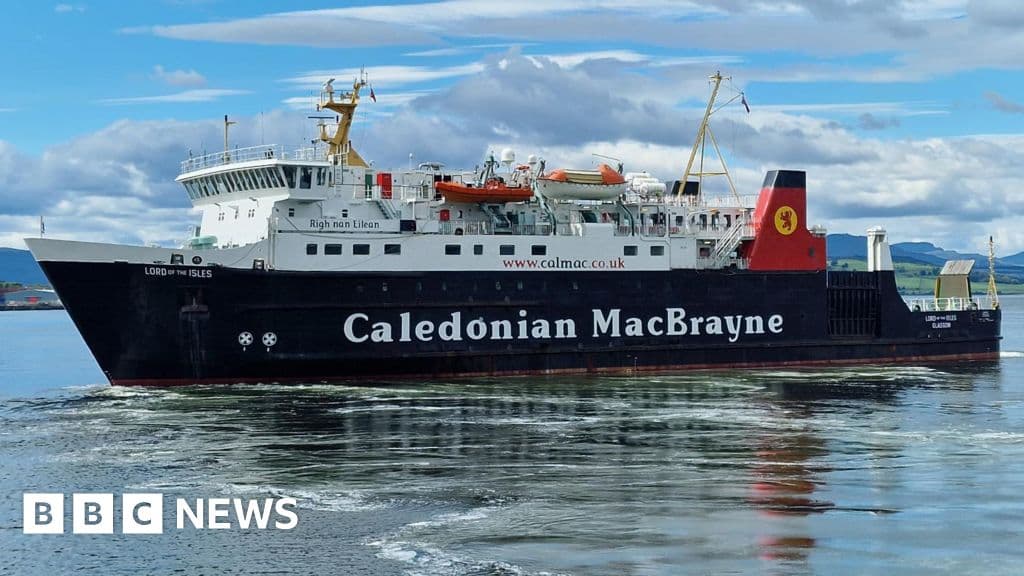
Calmac
Politics100+ searches
Quick Answer
CalMac is trending due to a 'critical shortage' of operational ferries, with eight vessels currently out of action, leading to widespread cancellations and warnings from the company. The situation highlights long-standing issues within Scotland's ferry system, prompting calls for reform.
Why Is This Trending?
Scotland's ferry operator, CalMac, is currently at the centre of a growing crisis, with eight of its vessels out of service simultaneously. This severe reduction in operational capacity has resulted in a 'critical shortage' of ferries, prompting urgent warnings from the company about the impact on island communities and supply chains. The ongoing cancellations, attributed to a mix of technical issues and a lack of available vessels, have increased significantly over the past decade, according to recent reports. This has ignited public and political debate, with calls for urgent action to address what is being described as a 'broken system' and demands for mergers of ferry bodies to improve efficiency and reliability.
CalMac Faces Critical Ferry Shortage Amidst Widespread Cancellations
CalMac, the vital ferry operator serving Scotland's west coast islands and mainland ports, is currently grappling with a severe crisis, with a significant number of its fleet out of action. Recent reports indicate that as many as eight ferries are simultaneously out of service, leading to a "critical shortage" and a surge in cancellations that are severely impacting island communities. This situation is not only causing significant disruption to daily life, travel, and essential supply chains for island residents but is also drawing sharp criticism and renewed calls for systemic reform of Scotland's ferry services.
What Has Happened?
The immediate trigger for the current trending status of CalMac is the alarming number of its vessels that are unavailable for service. The exact reasons for each vessel being out of action can vary, often involving a combination of technical faults, essential maintenance, and broader issues related to the age and condition of parts of the fleet. According to The Herald, ferry cancellations due to "technical issues" have increased tenfold in the last decade, painting a worrying picture of deteriorating reliability. The BBC has highlighted the "critical shortage" and stated that with eight ferries out of action, the company is struggling to maintain its lifeline services. This has led to a wave of cancellations, leaving passengers stranded and businesses struggling to receive goods.
Why Does This Matter?
The operational status of CalMac ferries is of paramount importance to the communities it serves. For many of Scotland's island residents, ferries are not just a mode of transport but a lifeline connecting them to essential services, employment, education, and social networks on the mainland. The consistent unreliability and frequent cancellations disrupt everything from medical appointments and daily commutes to the delivery of food, fuel, and other critical supplies. Businesses on the islands are particularly vulnerable, relying on timely and predictable ferry services for their operations. The current crisis amplifies these long-standing concerns, highlighting the fragility of island life when faced with persistent transport failures. The economic and social well-being of these communities is directly tied to the effectiveness of their ferry links.
Background Context: A System Under Strain
The issues plaguing CalMac are not new and reflect deeper, systemic problems within Scotland's ferry infrastructure and fleet management. Several factors have contributed to the current predicament:
- Aging Fleet: A significant portion of CalMac's fleet is ageing, making it more susceptible to breakdowns and requiring more frequent and extensive maintenance. The procurement of new vessels has been notoriously slow and plagued by delays and cost overruns, as seen with the controversial CalMac ferries being built at Ferguson Marine.
- Maintenance Backlogs: Years of underinvestment and pressure on resources may have led to maintenance backlogs, exacerbating the impact of technical faults when they occur.
- Lack of Resilience: The network's overall resilience is low when several vessels are out of service simultaneously, as there are often no readily available spare vessels to cover essential routes.
- Investment and Management: Critics argue that there has been insufficient investment in both new vessels and the upkeep of the existing fleet over many years. There are also ongoing debates about the structure and management of ferry services in Scotland, with calls for greater integration and a more streamlined approach.
The Independent reports that the Labour party has vowed to merge ferry bodies and fix the "broken system," indicating that the problem is recognised at a political level and that potential solutions are being discussed. This suggests a political will to address the underlying issues, although the path to resolution remains complex.
"The current situation is unsustainable. Our island communities are effectively being cut off, and the economic consequences are dire. We need urgent action, not just promises," stated a local councillor from the Outer Hebrides.
What To Expect Next?
In the immediate term, islanders and travellers can expect continued disruption as CalMac works to return the affected ferries to service and manage the existing schedule with a reduced fleet. The company will likely continue to issue public warnings and apologies for cancellations. Looking ahead, the situation is likely to remain a significant political issue in Scotland.
Key developments to watch for include:
- Fleet Modernisation Efforts: Progress on the construction and delivery of new ferries, particularly the two delayed vessels from Ferguson Marine, will be crucial. Any further delays will exacerbate the problem.
- Investment in Infrastructure: Discussions and decisions regarding increased investment in maintaining the current fleet and upgrading port infrastructure will be important.
- Policy Reforms: Political parties may propose and debate reforms to the management and structure of ferry services. Labour's suggestion of merging ferry bodies could gain traction if it addresses the perceived inefficiencies.
- Impact on Communities: The ongoing impact on island economies and residents will likely lead to continued advocacy and pressure on the Scottish Government to find lasting solutions.
The "critical shortage" of CalMac ferries highlights a pressing need for comprehensive and sustained action to ensure the reliability of Scotland's vital ferry network. Without significant improvements in fleet availability, maintenance, and potentially structural reforms, the challenges faced by island communities are set to persist.
Related News
Frequently Asked Questions
Why is calmac trending?
CalMac is trending because a critical shortage of ferries has led to widespread cancellations. Eight vessels are currently out of action, significantly impacting Scotland's island communities and sparking public and political concern.
What happened with calmac?
Eight CalMac ferries are out of service due to technical issues and maintenance, creating a critical shortage. This has resulted in a significant increase in cancellations and severe disruption for passengers and essential services to the islands.
What is the impact of the ferry cancellations?
The cancellations severely disrupt island life, affecting travel, supply chains for goods like food and fuel, and access to mainland services. It also impacts island economies heavily reliant on consistent transport links.
Are there plans to fix the CalMac ferry system?
Yes, there are growing calls for reform, with proposals including merging ferry bodies to create a more efficient system. Labour has publicly vowed to address the 'broken system'. The slow delivery of new vessels is also a key concern.
When will the ferries be back in service?
The timeline for all eight affected ferries to return to service is not precisely known and depends on the nature of their technical issues and the availability of repair resources. CalMac is working to resolve the situation, but disruption is expected to continue in the short term.