Cdl
Politics200+ searches
Quick Answer
CDL is trending due to legislative proposals aiming to restrict Commercial Driver's Licenses for undocumented immigrants and a grassroots movement advocating for "Dalilah's Law," which could impact CDL training providers and the trucking industry.
Why Is This Trending?
The term "CDL" is currently a significant trending topic, fueled by two prominent, yet distinct, developments within the United States. On one front, legislative action is being proposed to prevent undocumented immigrants from obtaining Commercial Driver's Licenses. This initiative, championed by figures like Senator Cornyn, highlights concerns about border security and immigration policy, suggesting a potential shift in who is eligible for vital transportation credentials.
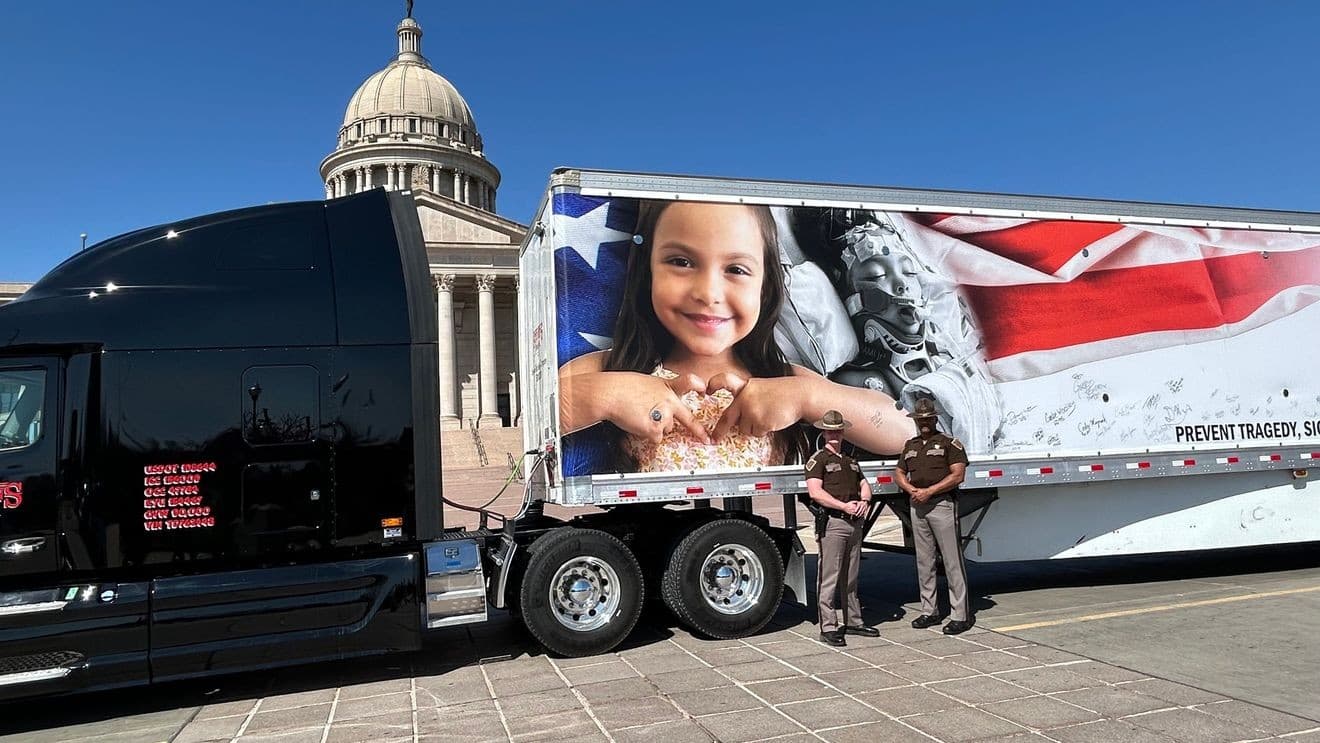
Simultaneously, a grassroots movement is gaining traction around "Dalilah's Law," with a truck rally making its way to Washington D.C. to raise awareness. The exact implications of "Dalilah's Law" for CDL training providers are being discussed, indicating that this movement may propose changes or considerations for the training and licensing process itself, potentially affecting both trainees and educational institutions within the trucking sector. These intersecting discussions underscore the current focus on CDL regulations and their broader societal and economic impacts.
CDL Under the Spotlight: Legislative Battles and Grassroots Movements Shape the Trucking Industry
The term "CDL," an abbreviation for Commercial Driver's License, is currently resonating across news cycles and public discourse, propelled by a confluence of legislative proposals and a prominent advocacy campaign. These developments are not only generating significant search interest but also poised to reshape the landscape of the trucking industry, impacting everything from immigration policy to the operational standards of CDL training providers.
What's Driving the CDL Trend?
Two key narratives are dominating the trending status of "CDL." Firstly, there is a concerted push within the U.S. Senate to prevent undocumented immigrants from obtaining Commercial Driver's Licenses. Senator John Cornyn and his colleagues have introduced legislation aimed at tightening the requirements for CDL issuance, reflecting ongoing debates about immigration, border security, and national safety. The core argument behind this legislative effort appears to be a concern that the issuance of CDLs to individuals without legal status could pose security risks or circumvent established immigration protocols.
Secondly, the trucking community is rallying around a cause encapsulated by "Dalilah's Law." This movement, characterized by efforts like the "Stand with Dalilah" truck making its way to Washington D.C., signifies a push for specific changes or considerations related to CDLs. While the specifics of "Dalilah's Law" are still being widely discussed, its potential impact on CDL training providers is a significant point of conversation. This suggests that the movement may be advocating for revised training standards, improved safety protocols, or perhaps even changes in eligibility or access to CDL education.
Why This Matters: Implications for Immigration, Safety, and the Workforce
The trending status of "CDL" is significant for several interconnected reasons. The legislative efforts concerning undocumented immigrants and CDLs highlight the broader national conversation around immigration policy and its intersection with essential industries. The trucking sector is a critical component of the U.S. economy, responsible for transporting goods nationwide. Decisions about who is eligible to operate commercial vehicles have direct implications for workforce availability, economic efficiency, and potentially, public safety.
Furthermore, the "Dalilah's Law" movement brings to the forefront the experiences and concerns of those within the trucking industry, including training providers. Changes in licensing requirements or training standards can have a profound effect on the accessibility and quality of commercial driver education. This could, in turn, influence the pipeline of qualified drivers entering the workforce, potentially exacerbating or alleviating existing driver shortages. The discussions also touch upon the vital role of CDL training in ensuring that drivers possess the necessary skills and knowledge to operate safely on public roads.
Background Context: The Ever-Evolving Trucking Landscape
The trucking industry has long been a subject of policy discussions, particularly concerning driver shortages, safety regulations, and workforce development. The Federal Motor Carrier Safety Administration (FMCSA) oversees CDL regulations, setting standards for licensing and operation. Historically, there have been various debates and adjustments to these regulations, influenced by economic needs, safety concerns, and technological advancements.
Immigration policy has also frequently intersected with workforce discussions in sectors like transportation. The tension between national security, immigration enforcement, and the need for labor in critical industries like trucking is a recurring theme in American politics. The current focus on CDLs for undocumented individuals is a manifestation of this ongoing debate, seeking to define clear boundaries and regulations.
The emergence of specific advocacy movements like "Dalilah's Law" indicates that there are often localized or issue-specific concerns within the broader trucking community that seek to influence policy. These movements can bring attention to overlooked aspects of the industry, such as the quality of training, driver well-being, or specific safety issues.
What to Expect Next
The trending nature of "CDL" suggests that these discussions are far from over. Legislators will likely continue to debate and potentially vote on proposals to restrict CDL access for undocumented immigrants. The outcome of these debates could lead to significant changes in federal policy, impacting individuals and the trucking industry broadly.
Concurrently, the "Dalilah's Law" movement will likely continue to build momentum, advocating for its specific objectives. The trucking industry, including training providers, will need to stay informed about these developments and adapt to any new regulations or standards that may emerge. The interplay between legislative action and grassroots advocacy will undoubtedly shape the future of CDL requirements and the trucking workforce for years to come.
Key takeaways from the current trends surrounding CDLs include:"The issuance of Commercial Driver's Licenses is a matter of national security and public safety. We must ensure that our licensing processes are robust and only available to those who are legally authorized to be in the country," stated a spokesperson for Senator Cornyn's office, highlighting the administration's stance on the proposed legislation.
- Proposed legislation aims to prevent undocumented immigrants from obtaining CDLs.
- A movement advocating for "Dalilah's Law" is raising awareness and its implications for CDL training are being explored.
- These developments highlight the intersection of immigration policy, national security, and the vital trucking industry.
- The trucking sector faces potential shifts in workforce composition and training standards.
As these conversations unfold, the significance of the CDL in maintaining the flow of commerce and ensuring road safety will remain a central focus.
Related News
Frequently Asked Questions
Why is cdl trending?
CDL is trending due to ongoing legislative efforts to prevent undocumented immigrants from obtaining Commercial Driver's Licenses and a grassroots movement advocating for "Dalilah's Law," which could affect CDL training.
What is 'Dalilah's Law' in the context of CDLs?
"Dalilah's Law" is associated with a movement advocating for specific changes or considerations within the trucking industry related to CDLs. Its potential impact on CDL training providers is a subject of current discussion.
What are the proposed legislative changes regarding CDLs?
Legislation has been introduced to prevent undocumented immigrants from receiving Commercial Driver's Licenses. This is part of broader discussions on immigration policy and national security.
How might 'Dalilah's Law' affect CDL training providers?
The exact implications are still being discussed, but "Dalilah's Law" may lead to changes in CDL training standards, eligibility requirements, or the overall operational framework for training institutions.
What is the significance of CDLs in the trucking industry?
A CDL is a mandatory license for individuals operating large, heavy, or placarded hazardous material vehicles. It is essential for drivers in the trucking industry, impacting workforce availability and the transportation of goods.