ADHD Awareness Surges as Public Figures Share Personal Journeys
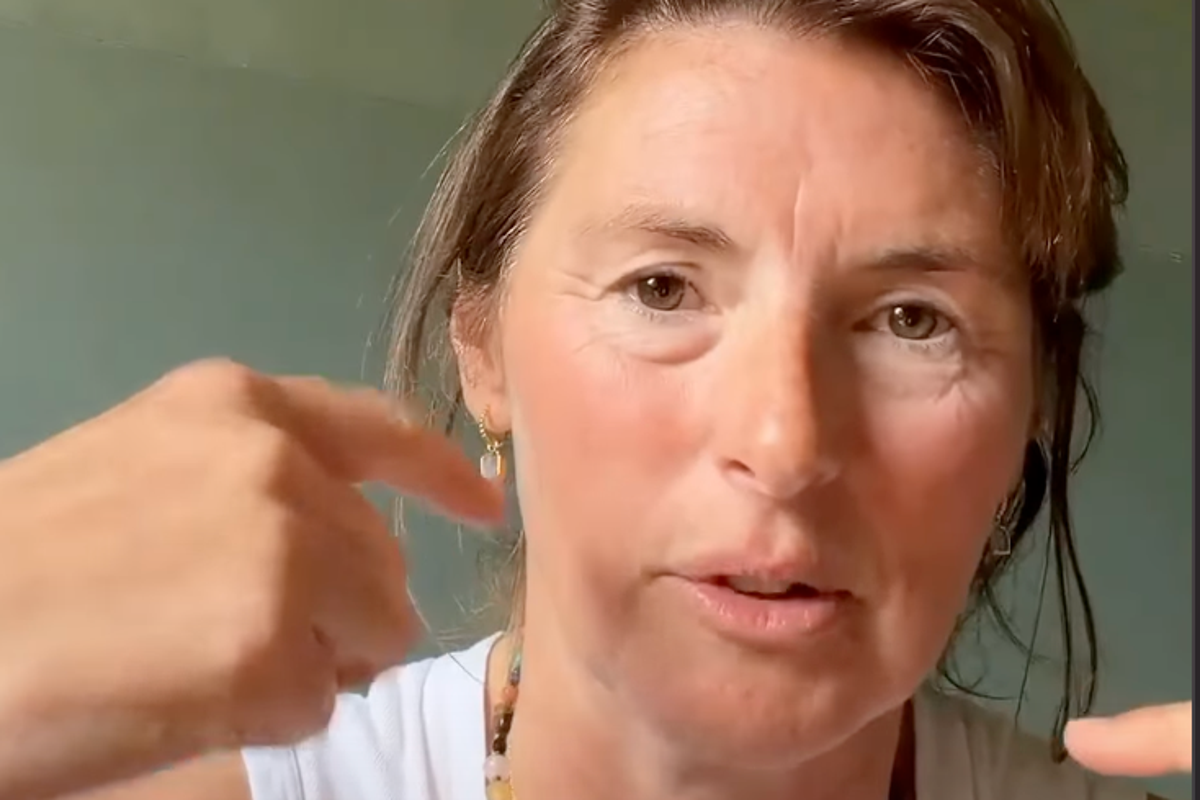
The topic of Attention Deficit Hyperactivity Disorder (ADHD) is currently a significant trending subject, drawing considerable search interest. This heightened attention is largely attributed to recent high-profile personal accounts, most notably from Jools Oliver, wife of renowned chef Jamie Oliver. Oliver has publicly shared her experiences of living with ADHD for decades without a diagnosis, describing how the undiagnosed condition "ruined" 45 years of her life and that her subsequent diagnosis has been profoundly "life-changing." These revelations, detailed in publications such as The Independent and London Evening Standard, have resonated deeply, sparking widespread conversation and encouraging many to explore the condition further.
What Sparked the Trend?
The primary catalyst for the current surge in ADHD-related searches and discussions is Jools Oliver's candid sharing of her personal health journey. After receiving diagnoses for ADHD and other conditions, she spoke about the profound impact not knowing had on her life for nearly five decades. Her statements emphasize the emotional and practical difficulties that can arise from living with undiagnosed ADHD, including potential impacts on relationships, career, and overall well-being. The relatable and heartfelt nature of her disclosures has made the topic highly visible and accessible to a broad audience.
Why Does This Matter?
The trend signifies a growing public engagement with neurodevelopmental conditions like ADHD. When public figures share their personal struggles and triumphs, it helps to:
- Reduce Stigma: Openly discussing conditions like ADHD helps normalize them and lessen the associated shame or misunderstanding.
- Increase Awareness: It brings attention to the symptoms, challenges, and potential treatments for ADHD, educating the public.
- Encourage Diagnosis: Personal stories can empower individuals who suspect they might have ADHD to seek professional evaluation and support.
- Highlight Late Diagnosis: Oliver's experience specifically points to the complexities of ADHD diagnosis in adults, especially women, who may present differently than children.
The impact of living with undiagnosed ADHD can be substantial, affecting mental health, career progression, and interpersonal relationships. Recognizing and addressing these challenges is crucial for improving the quality of life for those affected.
Background Context: Understanding ADHD
ADHD is a neurodevelopmental disorder characterized by persistent patterns of inattention and/or hyperactivity-impulsivity that interfere with functioning or development. While often associated with childhood, ADHD is a lifelong condition that affects many adults. Symptoms can manifest differently in individuals and can change over time. In adults, inattentiveness might present as difficulty organizing tasks, forgetfulness, or being easily distracted, while hyperactivity might look like restlessness or excessive talking.
"It's been a really difficult time, and I'm still processing everything, but I'm also excited for what the future holds." - Jools Oliver (paraphrased sentiment regarding her diagnoses)
Historically, ADHD was often overlooked or misdiagnosed in women and girls, who might exhibit more inattentive symptoms rather than overt hyperactivity. This has led to many individuals coming to diagnosis in adulthood, often after experiencing years of struggle without understanding the root cause. Jools Oliver's story is emblematic of this common experience, highlighting how much life can be impacted when the condition remains unidentified.
What to Expect Next
The current trend suggests that conversations around ADHD, particularly adult diagnosis and its impact, will likely continue. We may see:
- More Personal Stories: Increased willingness from individuals, including other public figures, to share their experiences with ADHD.
- Focus on Adult Diagnosis: Greater attention to the nuances of diagnosing ADHD in adults, especially for women and other under-diagnosed groups.
- Demand for Resources: A rise in searches for information about ADHD symptoms, diagnostic processes, treatment options, and support networks.
- Continued Media Coverage: Ongoing reporting on ADHD, drawing from personal accounts and expert insights to inform the public.
As awareness grows, the hope is for improved understanding, earlier diagnosis, and better support systems for individuals with ADHD. The candidness of figures like Jools Oliver plays a vital role in fostering this crucial societal shift.