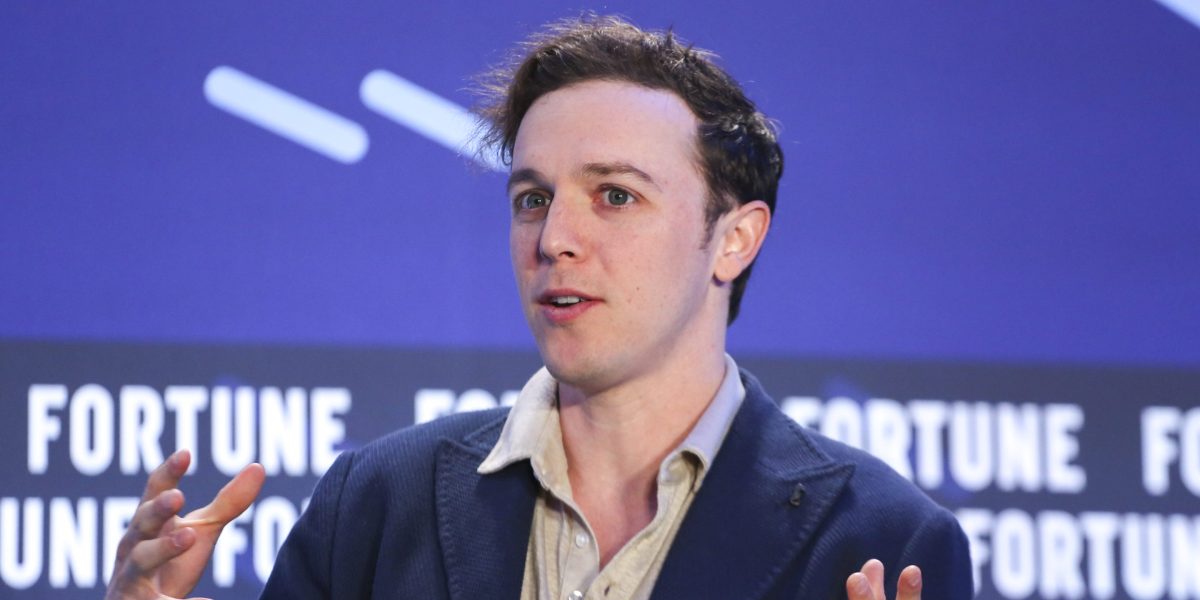
Ryan Breslow and the Disappearing HR Department Controversy
Ryan Breslow, the founder and CEO of the rapidly growing fintech company Bolt, has become a prominent trending topic following a series of outspoken comments regarding his company's human resources department. His assertion that he dissolved the entire HR team, leading to the 'disappearance' of associated problems, has ignited a firestorm of debate within the business and HR communities. This provocative stance, reported by publications such as Fortune, NDTV, and Hindustan Times, positions Breslow as a maverick CEO challenging conventional corporate structures, or as some critics argue, a leader dismissive of crucial employee support functions.
What Happened?
The crux of the trending topic revolves around statements made by Ryan Breslow, where he explicitly claims to have fired his entire HR department. According to reports, Breslow articulated that the problems within his company that were being managed or identified by the HR team simply ceased to exist once the department was dissolved. He framed this action as a strategic move to eliminate inefficiencies and non-existent issues that he believed the HR team was manufacturing or perpetuating. This perspective suggests a fundamental disagreement with the role and function of a typical HR department within a corporate environment.
Why It Matters
Breslow's comments carry significant weight due to his position as the CEO of Bolt, a company that has achieved a substantial valuation. His approach challenges deeply ingrained notions about the necessity of HR for employee welfare, compliance, and organizational health. If a company can seemingly thrive, or at least eliminate perceived problems, by dismantling its HR function, it raises profound questions about the effectiveness and necessity of such departments in modern business. This could influence how other leaders view HR's role, potentially leading to shifts in organizational design and resource allocation. Conversely, it could also be seen as a dangerous precedent that undermines employee rights and support systems.
Background Context: Ryan Breslow and Bolt
Ryan Breslow is known for founding Bolt, a company that provides checkout technology aimed at simplifying online purchases for consumers. The company has secured significant funding and achieved a multi-billion dollar valuation, positioning Breslow as a notable figure in the tech startup scene. His public persona is often characterized by bold statements and a willingness to challenge established norms. Prior to this HR controversy, Breslow has been vocal about various aspects of the startup ecosystem, including fundraising and company culture.
The traditional role of Human Resources within a company is multifaceted, encompassing recruitment, employee relations, compensation and benefits, training and development, and ensuring compliance with labor laws. HR departments are often seen as crucial intermediaries between employees and management, responsible for fostering a positive work environment and addressing grievances. Breslow's actions and statements directly contradict this established view, proposing an alternative model where direct leadership intervention or a lack of a dedicated HR team is presented as a solution to organizational 'problems'.
Analyzing Breslow's Stance
Breslow's argument appears to stem from a belief that the HR department itself was a source of artificial problems or bureaucratic hurdles. By removing the team, he suggests that the underlying issues, which he seems to perceive as fabricated or exaggerated, were also removed. This perspective could be interpreted in several ways:
- Efficiency Focus: Breslow might be prioritizing a lean operational model, cutting what he deems non-essential functions that don't directly contribute to product development or revenue.
- Direct Management Philosophy: He may believe that employee issues should be handled directly by managers or leadership, bypassing a specialized department.
- Critique of HR Practices: It's possible Breslow has had negative experiences with HR departments in the past or believes current HR practices are outdated and ineffective.
However, this approach also carries substantial risks. Critics point out that eliminating HR could lead to:
- Increased Legal Risk: Without HR expertise, companies are more vulnerable to legal challenges related to employment law, discrimination, and wrongful termination.
- Deterioration of Employee Morale: Employees may feel unsupported or unheard if there isn't a dedicated channel for addressing concerns, potentially leading to higher turnover.
- Lack of Strategic HR Support: Essential functions like talent development, succession planning, and fostering a strong company culture may be neglected.
"Problems disappeared when I let them go." - Ryan Breslow
This quote encapsulates Breslow's controversial viewpoint. It implies a direct causality between the existence of the HR team and the presence of problems. Whether this is a testament to his leadership style or a dismissal of fundamental HR functions remains a subject of intense debate.
What to Expect Next
The long-term impact of Breslow's decision on Bolt remains to be seen. Analysts and observers will be closely watching the company's performance, employee satisfaction metrics, and any potential legal or compliance issues that may arise. It is possible that Breslow's approach is a highly tailored strategy that works for Bolt's specific culture and circumstances, or it could be a cautionary tale for other organizations. The ongoing discourse highlights the evolving conversation around the role of HR in the modern workplace, prompting many to re-evaluate how employee support and organizational health are best managed.
Furthermore, Breslow's public statements have likely set a precedent for discussion, potentially encouraging other leaders to question traditional HR structures. The outcome at Bolt will serve as a case study, influencing future debates on corporate governance, employee relations, and the essential functions of a business's support systems.