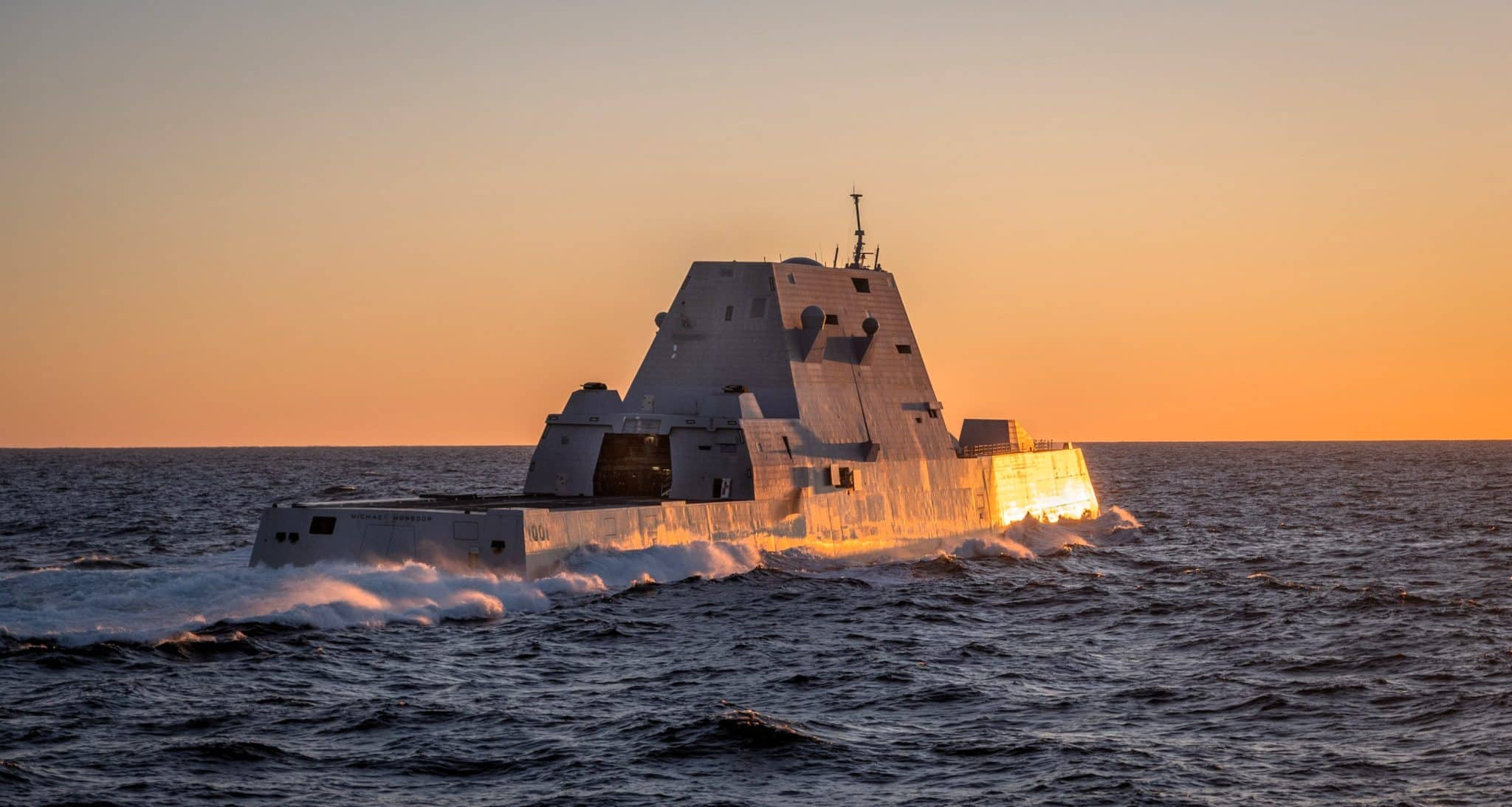
USS Zumwalt: Enhanced for Pacific Hypersonic Patrols
The USS Zumwalt (DDG-1000), the lead ship of its class and a symbol of advanced naval technology, is currently trending due to significant planned upgrades. The U.S. Navy is investing in enhancing the Zumwalt-class destroyers' capabilities, specifically by adding extra fuel capacity. This strategic modification is designed to enable the warships to conduct extended hypersonic patrols across the Pacific Ocean, boosting their operational endurance and power projection capabilities in a critical geopolitical theater.
What Happened?
Recent reports, notably from Naval News, have detailed the U.S. Navy's intention to equip the Zumwalt-class destroyers with additional fuel capacity. This upgrade is part of a broader strategy to maximize the utility and operational range of these technologically advanced vessels. The primary driver behind this decision is the need for the Zumwalt to effectively support and conduct prolonged hypersonic patrols, a capability increasingly vital for maintaining a strategic advantage in the Indo-Pacific region.
Why Does This Matter?
The enhancement of the USS Zumwalt and its sister ships signifies a crucial evolution in naval strategy. The Zumwalt class, with its stealthy design and advanced sensor systems, was initially conceived for a different era of warfare. However, the current geopolitical climate, particularly in the Pacific, demands a greater emphasis on long-range strike capabilities and sustained presence. By increasing fuel capacity, the Navy is directly addressing the endurance limitations that could have constrained the Zumwalt's effectiveness in the vast Pacific. This move underscores the importance of hypersonic weapons and the need for platforms that can effectively deploy and support them over long distances, acting as a deterrent against potential adversaries.
"This upgrade is a critical step in ensuring that our most advanced platforms can effectively operate in the vast distances of the Pacific, supporting our strategic goals and deterring aggression."
Background Context: The Zumwalt-Class Destroyer
The USS Zumwalt represents a leap forward in warship design. Commissioned in 2016, it is the first U.S. Navy surface combatant to feature an integrated electric propulsion system and advanced hull form designed for reduced radar cross-section, making it exceptionally stealthy for its size. Its advanced technology suite includes powerful radar, sonar, and combat systems, along with significant potential for future weapon system integration.
However, the class faced significant challenges early in its development. Original plans called for a large fleet, but the high cost and evolving threats led to the program being drastically scaled back to just three ships: USS Zumwalt (DDG-1000), USS Michael Monsoor (DDG-1001), and USS Lyndon B. Johnson (DDG-1002). The ships were initially delivered with some weapon systems deferred, leading to questions about their full operational readiness. These recent upgrades, including the added fuel capacity, appear to be a concerted effort to fully realize the potential of this unique class of warship.
What to Expect Next
With the planned fuel capacity upgrades, the USS Zumwalt is poised to play a more prominent role in U.S. Pacific Command's operations. The ability to sustain longer patrols will allow the Zumwalt to participate more effectively in freedom of navigation operations, joint exercises with allies, and the deployment of advanced weapons systems, including hypersonics. This evolution demonstrates the Navy's commitment to adapting its most sophisticated assets to meet the challenges of modern naval warfare. The successful integration of these upgrades will be crucial in defining the future operational concept for the Zumwalt class and potentially influencing the design and capabilities of future surface combatants.
The strategic importance of the Indo-Pacific region necessitates robust naval presence and advanced capabilities. The enhanced USS Zumwalt, with its extended range and stealth, is well-positioned to contribute significantly to U.S. national security objectives in this dynamic environment.