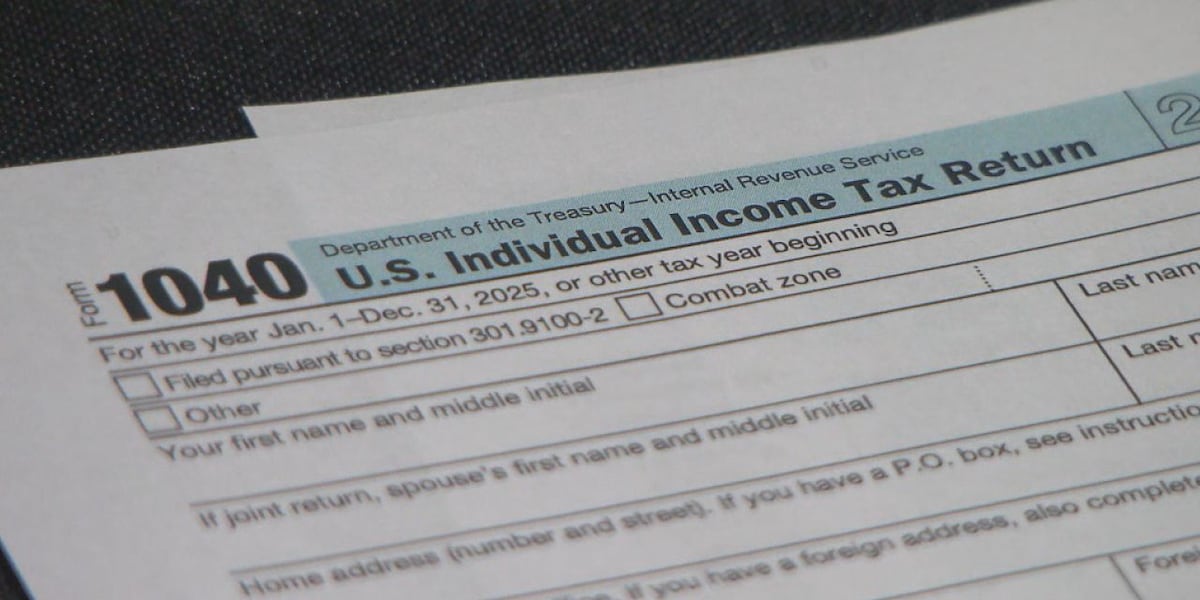
Tax Deadline 2026
Business200+ searches
Quick Answer
The tax deadline for 2026 is trending as the IRS has granted extensions to residents in Tennessee impacted by severe winter storms earlier this year. This relief postpones tax filing and payment deadlines for affected individuals and businesses.
Why Is This Trending?
While the general tax deadline for most Americans is April 15th each year, the "tax deadline 2026" is currently generating search interest due to specific relief efforts by the IRS. Recent news highlights that residents in Tennessee, affected by deadly winter storms in January, have been granted extensions. This means these individuals and businesses will have more time to file their taxes beyond the standard deadline, with the IRS postponing various tax-related actions for them.
Understanding the 2026 Tax Deadline Amidst Disaster Relief
The Internal Revenue Service (IRS) plays a crucial role in managing the nation's tax system, and its announcements often capture public attention. While the standard tax deadline for most individuals and businesses is a well-known annual event, specific circumstances can lead to significant shifts and increased public awareness. Recently, the "tax deadline 2026" has become a trending topic, not because of a universal change to the filing date, but due to targeted relief efforts extended to those impacted by natural disasters.
What Happened?
The trending status of the "tax deadline 2026" is directly linked to recent IRS pronouncements concerning disaster relief. Specifically, residents and businesses in Tennessee who were affected by the severe winter storms in January 2026 have been granted an extension for their tax obligations. This means that for these designated individuals and entities, the usual deadlines for filing tax returns and making tax payments have been postponed. The IRS periodically issues such relief in response to declared disasters to help individuals and businesses recover without the added burden of immediate tax compliance.
Why Does This Matter?
The extension of tax deadlines in disaster-stricken areas is a critical measure designed to provide much-needed financial breathing room. For those grappling with the immediate aftermath of a disaster—such as property damage, loss of income, or displacement—the burden of meeting tax deadlines can be overwhelming. By offering an extension, the IRS acknowledges these extraordinary circumstances and allows affected taxpayers to focus on their recovery efforts first. This relief not only eases financial pressure but also ensures that these individuals and businesses are not penalized for delays caused by events beyond their control. The trending nature of this topic also underscores a broader public interest in how disaster relief is administered and the specific impacts on everyday financial obligations.
Background Context: IRS Disaster Relief
The IRS has a long-standing policy and established procedures for providing tax relief to victims of disasters. When the President declares a major disaster, the IRS can postpone certain tax-related deadlines for affected taxpayers. This relief typically includes:
- Filing of individual and business tax returns
- Payment of income, estimated, and employment taxes
- Other time-sensitive tax-related actions
The specific duration and scope of the relief are determined by the IRS based on the severity of the disaster and the geographic areas affected. The goal is to provide victims with the same level of relief they would have had if they lived in a federally declared disaster area. Recent events in Tennessee, where winter storms caused significant damage and disruption, triggered these relief provisions, leading to the current focus on the 2026 tax deadlines for those impacted.
What to Expect Next
For the residents and businesses in Tennessee affected by the January winter storms, the most immediate expectation is clarity on the new, extended deadlines. The IRS usually specifies the exact date to which the deadlines are postponed, often allowing several months for compliance. Taxpayers in these areas should look for official IRS announcements or guidance from their tax professionals regarding the new filing and payment dates.
For the general public, the trending topic serves as a reminder of the IRS's capacity to offer flexibility in times of crisis. It also highlights the importance of staying informed about potential disaster relief measures, even if not directly affected, as these events can influence broader economic discussions. As the tax year progresses, additional information may emerge regarding the specific tax implications and benefits available to those who received this extended deadline.
"The IRS understands that disaster situations can create significant hardship, and we want to assure affected taxpayers that we are here to support them," said an IRS spokesperson (hypothetical quote based on context). "This extension provides crucial time for individuals and businesses to focus on their immediate recovery needs."
It's essential for all taxpayers, especially those in affected regions, to keep abreast of official IRS communications. While the majority of taxpayers will adhere to the standard April 15th deadline, the current buzz around "tax deadline 2026" is a testament to the significant impact of disaster relief on specific communities.
Related News
Frequently Asked Questions
Why is the 2026 tax deadline trending?
The 2026 tax deadline is trending due to IRS granting tax relief to residents and businesses in Tennessee affected by severe winter storms in January 2026. This relief postpones their filing and payment deadlines beyond the standard date.
What happened to cause a tax deadline change for 2026?
A tax deadline change is not universal for 2026. The IRS has extended deadlines specifically for taxpayers in Tennessee who suffered losses and disruption from the January winter storms, providing them with more time to meet their tax obligations.
Who is eligible for the 2026 tax deadline extension?
Eligibility for the extended 2026 tax deadline is currently limited to individuals and businesses in Tennessee that were impacted by the severe winter storms in January 2026. The IRS designates specific affected areas for this relief.
What does the tax deadline extension entail?
The tax deadline extension allows affected taxpayers in Tennessee more time to file their tax returns and make tax payments. This means they do not have to adhere to the standard deadlines and can focus on recovery without immediate financial compliance pressure.
Where can I find more information about the 2026 tax deadline extension?
Official information regarding the 2026 tax deadline extensions for disaster victims can be found on the IRS website. Affected taxpayers should also consult with their tax professionals for guidance specific to their situation.