Robbery
World500+ searches
Quick Answer
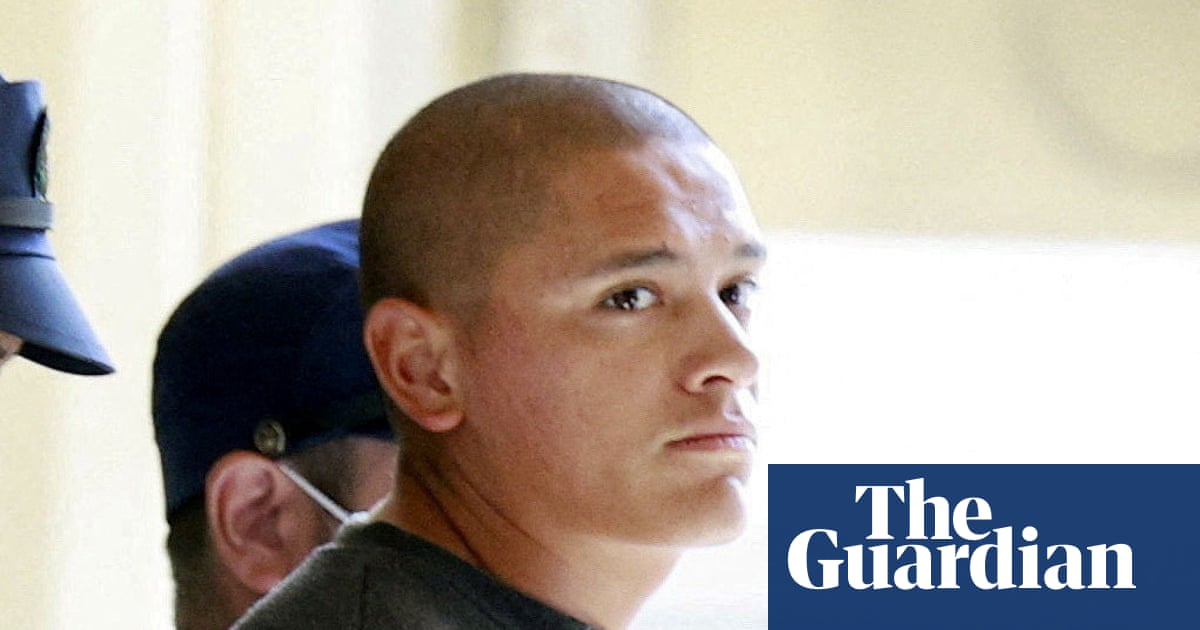
Robbery is trending due to the indictment of a U.S. Marine in Okinawa, Japan, suspected of robbery and homicide. Prosecutors have formally charged the marine in connection with the death of a Japanese woman.
Why Is This Trending?
The topic of robbery has captured significant attention following recent legal developments in Okinawa, Japan. A U.S. Marine has been formally indicted by Japanese prosecutors in connection with the alleged robbery and death of a Japanese woman. This case involves serious allegations and has drawn scrutiny from both Japanese and U.S. authorities, highlighting the complexities of military presence abroad and criminal justice.
The related news coverage from major outlets like The Guardian, CNN, and ABC News underscores the gravity of the situation. The indictment signifies that prosecutors believe they have sufficient evidence to proceed to trial, focusing on the charges of robbery and homicide. As this legal process unfolds, it is likely to remain a prominent news item, with ongoing interest in the details of the case and its implications.
U.S. Marine Indicted in Okinawa Robbery and Homicide Case
A significant legal development has emerged from Okinawa, Japan, placing the act of robbery under a sharp public spotlight. A U.S. Marine stationed in the region has been formally indicted by Japanese prosecutors. The charges stem from the alleged robbery and subsequent death of a Japanese woman. This indictment marks a critical stage in the investigation, signaling that prosecutors believe they possess adequate evidence to pursue a trial.
What Happened?
The indictment follows an investigation into the death of a Japanese woman in Okinawa. Reports indicate that a U.S. Marine is suspected of committing robbery and homicide. While specific details surrounding the incident remain subject to the ongoing legal proceedings, the formal indictment by Japanese authorities confirms the seriousness of the accusations. The case has garnered international attention due to the involvement of a U.S. service member and the location of the alleged crime.
Why It Matters
This case is significant for several reasons. Firstly, it involves allegations of a violent crime, including homicide, which are of grave concern to any community. Secondly, the alleged perpetrator is a member of the U.S. military stationed in Japan. This raises important questions about jurisdiction, the Status of Forces Agreement (SOFA) between the U.S. and Japan, and how crimes committed by U.S. service members are handled. Such incidents can strain diplomatic relations and impact public perception of the U.S. military presence in Japan.
Background Context
Okinawa is home to a substantial contingent of U.S. military personnel and facilities, the largest concentration in Japan. The presence of U.S. bases has historically been a sensitive issue for many residents, with occasional tensions arising from crimes involving U.S. service members. The Status of Forces Agreement governs the legal status of U.S. military personnel in Japan and often dictates which country has primary jurisdiction over offenses. High-profile cases like this can reignite debates about the SOFA and its implications for Japanese sovereignty and public safety. Prosecutors in Japan pursue indictments when they believe there is sufficient evidence to secure a conviction, a standard that can differ from the U.S. system.
What to Expect Next
With the indictment now formalized, the case is expected to move towards a trial in the Japanese judicial system. The proceedings will likely involve meticulous examination of evidence, witness testimonies, and legal arguments from both the prosecution and the defense. The outcome will depend on the strength of the evidence presented and the legal framework applied. International observers and local communities will be closely watching as the trial progresses, seeking clarity and justice. The case serves as a stark reminder of the serious consequences of criminal actions and the intricate legal processes involved when international agreements intersect with criminal justice.
The indictment of the U.S. Marine marks a crucial step in the legal process, moving the case from investigation to the courtroom.
Journalist Reporting on Okinawa Cases
The allegations of robbery and homicide underscore the need for robust legal oversight and accountability, regardless of the nationality or affiliation of the accused. As the legal proceedings unfold, updates on the case are anticipated, providing further insights into the events and their resolution.
Related News
Frequently Asked Questions
Why is robbery trending?
Robbery is trending primarily due to the recent indictment of a U.S. Marine in Okinawa, Japan. The marine is suspected of robbery and homicide, bringing this specific case to the forefront of international news coverage.
What happened with the U.S. Marine in Okinawa?
A U.S. Marine stationed in Okinawa has been indicted by Japanese prosecutors. They are suspected of robbing and causing the death of a Japanese woman. This indictment moves the case into the formal legal proceedings.
What is the significance of the indictment?
The indictment signifies that Japanese prosecutors believe they have sufficient evidence to bring the U.S. Marine to trial. It is a critical step in the legal process that will unfold in Japan's judicial system.
How do crimes involving U.S. military personnel in Japan typically work?
Crimes involving U.S. military personnel in Japan are governed by the Status of Forces Agreement (SOFA). This agreement outlines the jurisdiction and legal processes, which can be complex and sometimes contentious, affecting how cases are prosecuted.