Property Tax
Business200+ searches
Quick Answer
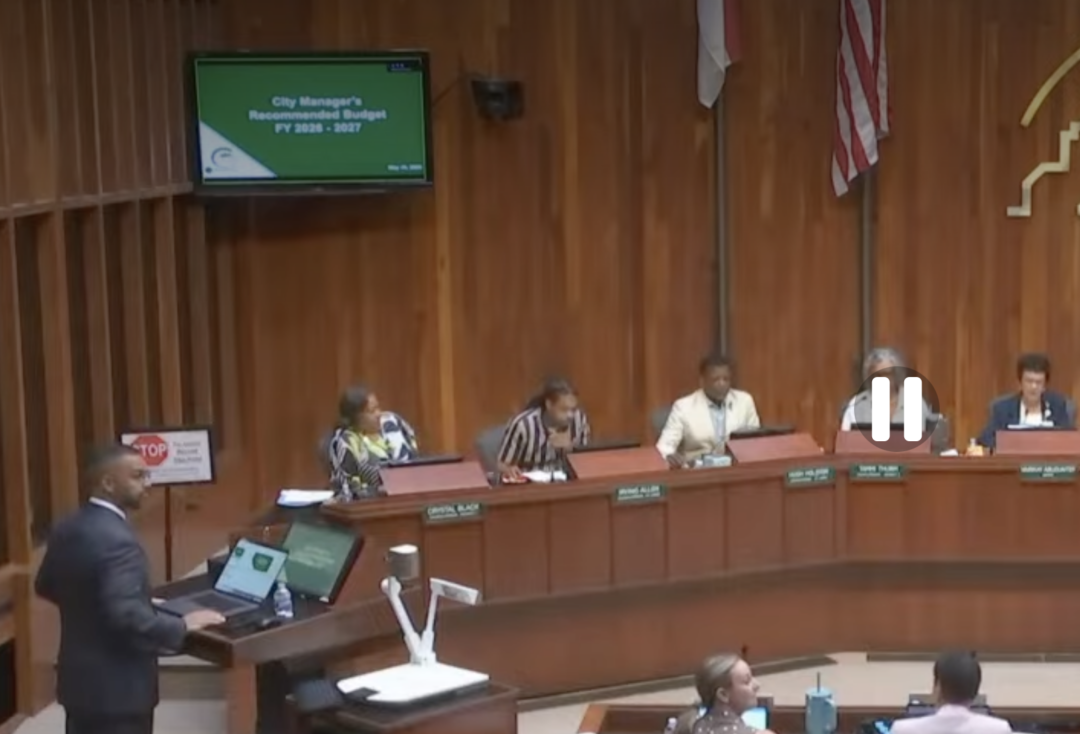
Property tax is trending as Greensboro city officials consider a proposed $913 million budget. The city manager recommended a property tax rate cut despite a significant budget increase ahead of a property revaluation.
Why Is This Trending?
Greensboro's property tax is a hot topic as the city council grapples with a substantial proposed budget of $913 million. City Manager Tai Agbo-Oleng has put forward a budget that includes a property tax rate reduction, a move that might surprise many given the overall increase in spending. This proposal comes just before a property revaluation, which typically leads to reassessments and potential changes in tax bills for homeowners.
The proposed budget represents an $82.7 million increase over the previous year, and the discussion around the tax rate cut is directly linked to the upcoming property revaluation. While a rate cut sounds like good news, the impact on individual taxpayers will depend on how much their property values increase during the revaluation. This situation is creating a buzz as residents and local media try to understand the full financial implications for the city and its taxpayers.
Greensboro Navigates Budget Growth and Potential Property Tax Adjustments
What Happened: A Budget Increase Meets a Proposed Tax Rate Cut
The city of Greensboro is currently at the center of a significant discussion surrounding its proposed budget and property taxes. City Manager Tai Agbo-Oleng has recommended a budget totaling $913 million, an increase of $82.7 million compared to the previous fiscal year. Amidst this substantial budget growth, a notable proposal has emerged: a reduction in the property tax rate. This recommendation comes at a critical juncture, as the city is also preparing for a property revaluation, a process that reassesses the value of real estate within the jurisdiction.
Why It Matters: Balancing City Services with Taxpayer Burden
The trending nature of this topic stems from the potential impact on Greensboro residents. Property taxes form a significant portion of local government funding, directly influencing the services provided by the city, such as public safety, infrastructure maintenance, and community programs. The proposed increase in the overall budget suggests a plan for expanded or enhanced city services. However, the accompanying recommendation to cut the property tax rate introduces complexity.
For homeowners, the situation is particularly nuanced. A property revaluation typically leads to updated assessments of property values. If property values rise significantly, as is often the case, even a reduced tax rate could result in higher actual tax bills for many residents. Conversely, if the rate cut is substantial enough, it might offset potential increases from the revaluation for some, while others could still see their tax burden rise. The interplay between budget growth, tax rate adjustments, and property revaluation is a key concern for taxpayers trying to understand their future financial obligations.
Background Context: The Cycle of Budgets and Revaluations
Local governments like Greensboro operate on a fiscal cycle that involves setting budgets and, periodically, conducting property revaluations. Budgets are plans for how the city will spend public funds over a specific period, typically funded by various revenue streams, including property taxes, sales taxes, and fees.
Property revaluations are mandated by state law in many places to ensure that property assessments remain current and reflect fair market values. These revaluations are intended to distribute the property tax burden equitably. However, they can be politically sensitive and economically impactful. The timing of the proposed tax rate cut before the revaluation could be a strategic move to mitigate potential public backlash from rising property values or to signal fiscal responsibility.
The Greensboro City Council is now tasked with reviewing the city manager's proposed budget and deciding on the final tax rate. Public input and council deliberations will be crucial in shaping the city's financial future for the upcoming year.
What to Expect Next: Council Decisions and Public Reaction
The Greensboro City Council will now engage in a thorough review of the proposed $913 million budget and the recommended property tax rate adjustment. This process will likely involve public hearings where residents can voice their opinions and concerns. The council's ultimate decision on the budget and the tax rate will have direct consequences for city services and the financial well-being of property owners.
As the revaluation process progresses, homeowners will receive updated assessments of their property values. This information, coupled with the final property tax rate set by the council, will determine their individual tax liabilities. The dialogue around the budget and property taxes is expected to remain active as the city moves toward finalizing its financial plan.
Key considerations for the council and the public include:
- The overall necessity and scope of the proposed $82.7 million budget increase.
- The potential impact of the tax rate cut versus the expected changes in property values from the revaluation.
- Ensuring transparency and public engagement throughout the decision-making process.
- Maintaining essential city services while managing taxpayer affordability.
The decisions made in Greensboro offer a case study in the complex balancing act local governments perform, especially when facing rising expenditures and the sensitive issue of property taxation.
Related News
Frequently Asked Questions
Why is property tax trending in Greensboro?
Property tax is trending in Greensboro because the city is currently discussing its proposed budget for the upcoming year, which totals $913 million. A key part of this discussion includes a recommendation from the City Manager to cut the property tax rate, which is happening just before a property revaluation.
What is the proposed budget increase for Greensboro?
The proposed budget for Greensboro is $913 million, representing an increase of $82.7 million compared to the previous fiscal year. This significant increase is being considered alongside a potential reduction in the property tax rate.
Will my property taxes go up in Greensboro?
It's uncertain. While the city manager recommended a property tax rate cut, a property revaluation is also happening. If your property's assessed value increases significantly due to the revaluation, your overall tax bill could still rise even with a lower tax rate.
What is a property revaluation and why is it important?
A property revaluation is a process where local governments reassess the market value of real estate within their jurisdiction. This is done to ensure property taxes are distributed fairly based on current property values and is often mandated by state law.