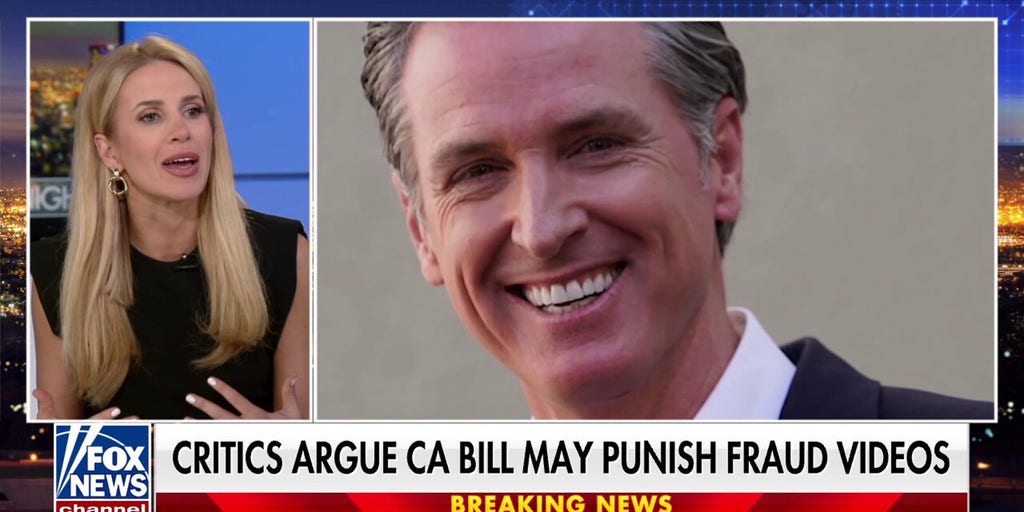
California Bill Sparks Outcry Over Citizen Journalism Suppression Fears
The name Nick Shirley has recently surged into public consciousness, not for a new viral video, but due to a legislative battle in California. A bill, controversially dubbed the ‘Stop Nick Shirley Act,’ has ignited a firestorm of debate regarding the future of citizen journalism and potential government overreach. The controversy centers on a YouTuber known for exposing alleged fraudulent activities and his claims that the bill is specifically designed to halt his investigative work.
What Happened?
California lawmakers have introduced a piece of legislation that has quickly drawn the attention and ire of digital creators and free speech advocates. While its official title may be more innocuous, the bill has been widely referred to as the ‘Stop Nick Shirley Act’ in various media reports. This moniker stems from the work of Nick Shirley, a YouTuber who has gained a following for his videos that reportedly expose alleged fraud and misconduct. Shirley, along with critics of the bill, asserts that the legislation is a direct attempt to stifle his brand of citizen journalism and prevent similar content from being produced.
“This bill is an attempt to silence investigative voices and criminalize people who expose the truth.” - A common sentiment expressed by critics of the ‘Stop Nick Shirley Act.’
The specific provisions of the bill have been a focal point of discussion, with opponents arguing that they grant broad powers that could be used to target independent journalists. Shirley himself has been outspoken, using his platform to rally opposition and claim that the bill would effectively make his video production, which often involves scrutinizing alleged fraudulent schemes, illegal.
Why Does This Matter?
The trending status of Nick Shirley is significant because it highlights a critical tension in the digital age: the role of citizen journalists and the legal frameworks governing their activities. In an era where traditional media landscapes are evolving, individuals using platforms like YouTube have become important sources of information, often holding powerful entities accountable when others might not. The potential for a bill like this to pass raises profound questions about free speech, the definition of journalism, and the balance of power between individuals and legislative bodies.
The core issue at stake is whether government entities can enact laws that, intentionally or unintentionally, act as a muzzle on critical reporting by non-traditional sources. Critics fear that such legislation could set a dangerous precedent, emboldening other jurisdictions to pass similar laws that could suppress dissent and investigative work. The debate extends beyond Nick Shirley himself, touching upon the broader implications for transparency and accountability in society.
Background Context
Nick Shirley gained prominence through his YouTube channel where he has published numerous videos detailing alleged instances of fraud. His content often involves deep dives into specific cases, presenting evidence and arguments to support his claims of wrongdoing. This investigative approach has resonated with a segment of the public looking for alternative perspectives and accountability for alleged misconduct.
The introduction of the ‘Stop Nick Shirley Act’ by California Democrats represents a legislative response, the exact motivations and scope of which are being heavily debated. While proponents might argue the bill aims to regulate certain types of content or behavior, opponents, including Shirley, see it as a targeted effort to curtail his specific brand of reporting. The controversy is amplified by the fact that Shirley's work often focuses on issues that may be complex or sensitive, making the lines between investigative journalism, opinion, and potential defamation particularly blurry and contentious.
What to Expect Next
The trajectory of the ‘Stop Nick Shirley Act’ remains uncertain. As public attention grows and debate intensifies, several outcomes are possible:
- Legislative Amendments: Lawmakers may reconsider the bill's language, potentially amending it to address the concerns raised by critics and Shirley himself. This could involve clarifying definitions, narrowing the scope, or adding protections for legitimate journalistic activities.
- Bill Stalls or Fails: Facing significant backlash and public scrutiny, the bill might be shelved or fail to pass through the legislative process.
- Legal Challenges: If passed, the bill could face immediate legal challenges based on First Amendment grounds, leading to court battles over its constitutionality and application.
- Continued Public Discourse: Regardless of the bill's fate, the situation has already sparked a broader conversation about the role of citizen journalism, online accountability, and legislative power, which is likely to continue.
The situation surrounding Nick Shirley and the controversial California bill underscores the evolving nature of information dissemination and the challenges of applying existing legal frameworks to the digital age. The outcome will have far-reaching implications for content creators, their audiences, and the broader landscape of public discourse and accountability.