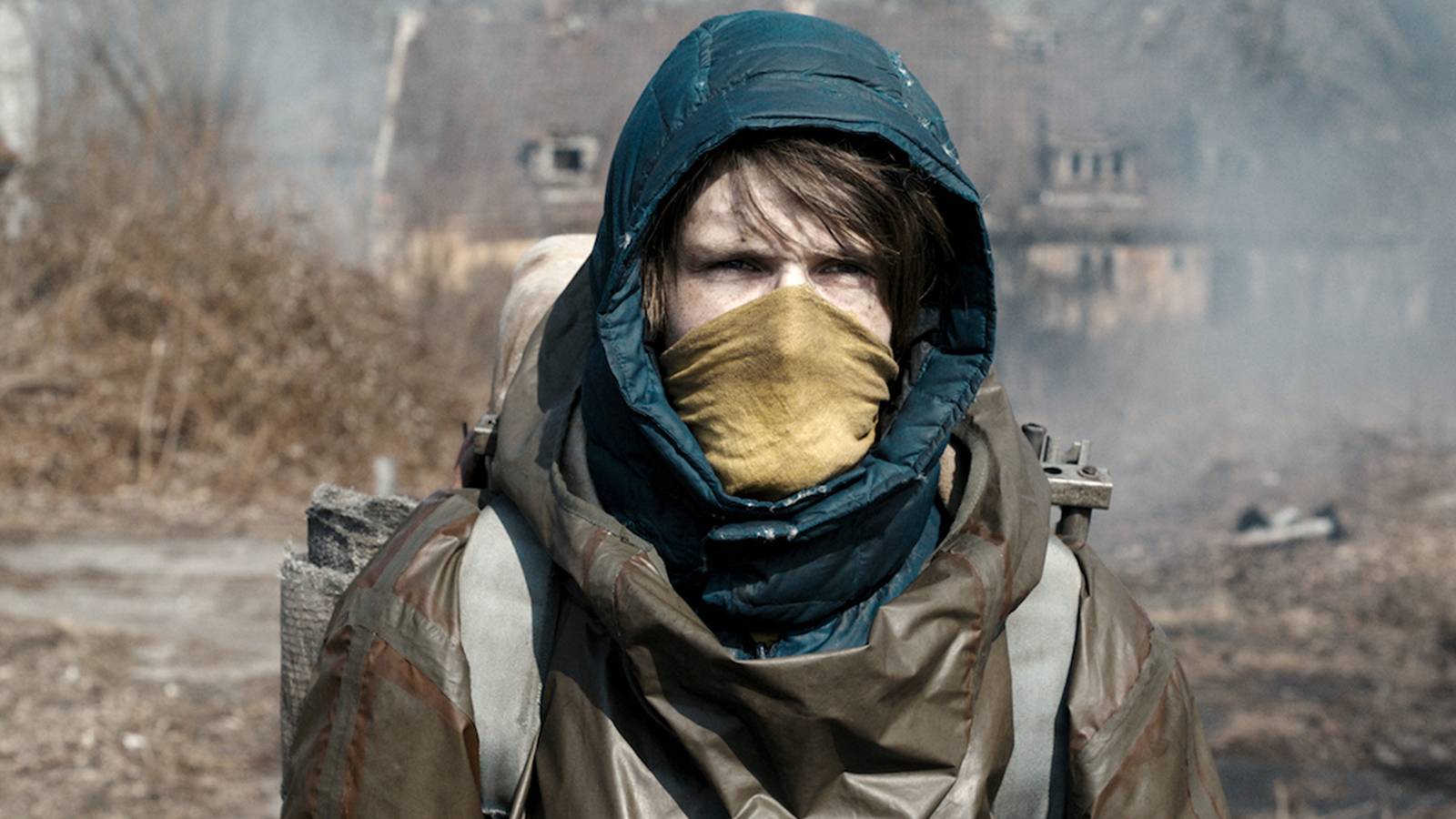
The Enduring Allure of Netflix's "Dark": A Time Travel Masterpiece
Netflix's "Dark," the German science fiction thriller that premiered in 2017, continues to resonate deeply with audiences and critics, finding itself trending once more. The series, renowned for its exceptionally intricate plot, multi-layered characters, and mind-bending exploration of time travel, has cemented its status as a modern classic in the genre. Recent discussions highlight its profound influence on other popular science fiction narratives, demonstrating its lasting impact on television storytelling.
What's Happening with "Dark"?
The trending status of "Dark" can be attributed to ongoing conversations and analyses of its unique narrative structure and thematic depth. Recent articles and social media discussions are revisiting the series, praising its tightly woven plot that spans multiple generations and timelines. Critically, "Dark" is being recognized for its significant influence on subsequent science fiction projects. For instance, a recent report from SuaraGarut.ID notes that the series has influenced HBO's upcoming "Welcome to Derry," a prequel to the "IT" universe. This acknowledgment underscores "Dark's" role as a trailblazer in complex, serialized storytelling within the sci-fi genre. The Collider also highlighted the show's 26-episode run as being so rich that it can be rewatched multiple times, with each viewing revealing new layers and connections that were previously missed.
Why "Dark" Matters in the Sci-Fi Landscape
"Dark" matters because it redefined what audiences could expect from a time travel narrative on television. Unlike many series that use time travel as a simple plot device, "Dark" makes causality, paradox, and the very nature of time the central antagonists and thematic core. The show masterfully illustrates how the past, present, and future are inextricably linked, and how even the smallest actions can have catastrophic, cyclical consequences. Softonic described it as "the IT-style sci-fi drama where time is the monster," a fitting analogy that captures the pervasive dread and existential questions the series poses. This approach challenges viewers to think critically about free will versus determinism, the burdens of familial legacy, and the often-painful search for truth across generations.
Background Context: The Genesis of a Complex Narrative
Developed by Baran bo Odar and Jantje Friese, "Dark" originated from a desire to create a character-driven story rooted in a specific, eerie German setting. The initial inspiration reportedly stemmed from a personal tragedy experienced by Odar, which led to the exploration of themes like loss, memory, and the search for answers across time. Filmed in and around Berlin and Potsdam, the series meticulously crafts a tangible atmosphere that enhances its complex mythology. The story begins in the fictional German town of Winden, where the disappearance of two children exposes the town's hidden connections and the supernatural, time-bending phenomena that have plagued it for centuries. The show's intricate web of characters, many of whom are related across different timelines and are often the same actors playing younger or older versions of themselves, requires significant audience attention and rewards meticulous viewing.
Dissecting the Temporal Mechanics and Themes
At its core, "Dark" is a story about four interconnected families whose lives are unravelled by a temporal anomaly originating from a cave system and a nuclear power plant. The series explores several key concepts:
- Causality and Paradox: The show delves into the bootstrap paradox, where an object or piece of information has no discernible origin, and predestination paradoxes, where attempts to change the past inadvertently cause the future.
- Family and Legacy: "Dark" meticulously traces familial relationships, revealing that many characters are their own ancestors or descendants, creating a cyclical and often tragic inheritance of trauma and responsibility.
- Loss and Grief: The unresolved grief over lost loved ones, particularly the disappearance of children, serves as a powerful motivator for many characters' actions throughout the series.
- Existentialism and Free Will: A central theme is whether characters can break free from the predetermined loops of time or if they are destined to repeat the same mistakes, questioning the nature of choice and fate.
"The greatest evil is not something that lies in wait for us, but rather something that we carry inside ourselves." - A character reflecting the show's internal struggles.
The visual language of "Dark," characterized by its dark, brooding aesthetic, rain-soaked landscapes, and symbolic imagery (like the triquetra), further enhances the thematic weight of the narrative. The score, often unsettling and atmospheric, plays a crucial role in building suspense and immersing the viewer in the unsettling world of Winden.
What to Expect Next (and Why We Keep Watching)
While "Dark" concluded its three-season run in 2020, its legacy continues to grow. The show's masterful conclusion provided a sense of closure while leaving the door open for interpretation and further discussion. The trending status suggests that audiences are not only revisiting the series but are also actively seeking out content that offers similar narrative complexity and intellectual stimulation. The influence on shows like "Welcome to Derry" indicates that the groundwork laid by "Dark" in sophisticated, high-concept sci-fi is being built upon by new productions. For fans, the allure lies in the show's intellectual challenge and emotional depth. It's a series that demands attention but rewards it tenfold with a story that is both intricate and profoundly human, exploring the timeless struggles of love, loss, and the search for identity against the backdrop of an ever-unfolding timeline.
The enduring appeal of "Dark" lies in its ability to make viewers feel like active participants in unraveling its mysteries. It’s a testament to intelligent, ambitious television that trusts its audience to engage with complex ideas and intricate plotting. As new generations of viewers discover its brilliance and its influence continues to be felt across the industry, "Dark" remains a compelling subject of discussion and admiration.