Analyzing the Midterm House Toss-Up Races
The political landscape for the upcoming midterm elections is increasingly defined by a series of closely contested races for control of the U.S. House of Representatives. These "toss-up" districts, where neither party holds a significant advantage, are expected to be the battlegrounds that ultimately decide which party holds the gavel in Washington. With election forecasts from major political analysis groups now indicating a tight race, the focus intensifies on these pivotal districts and the factors that will sway voters.
What's Happening: Shifting Projections and Intensifying Competition
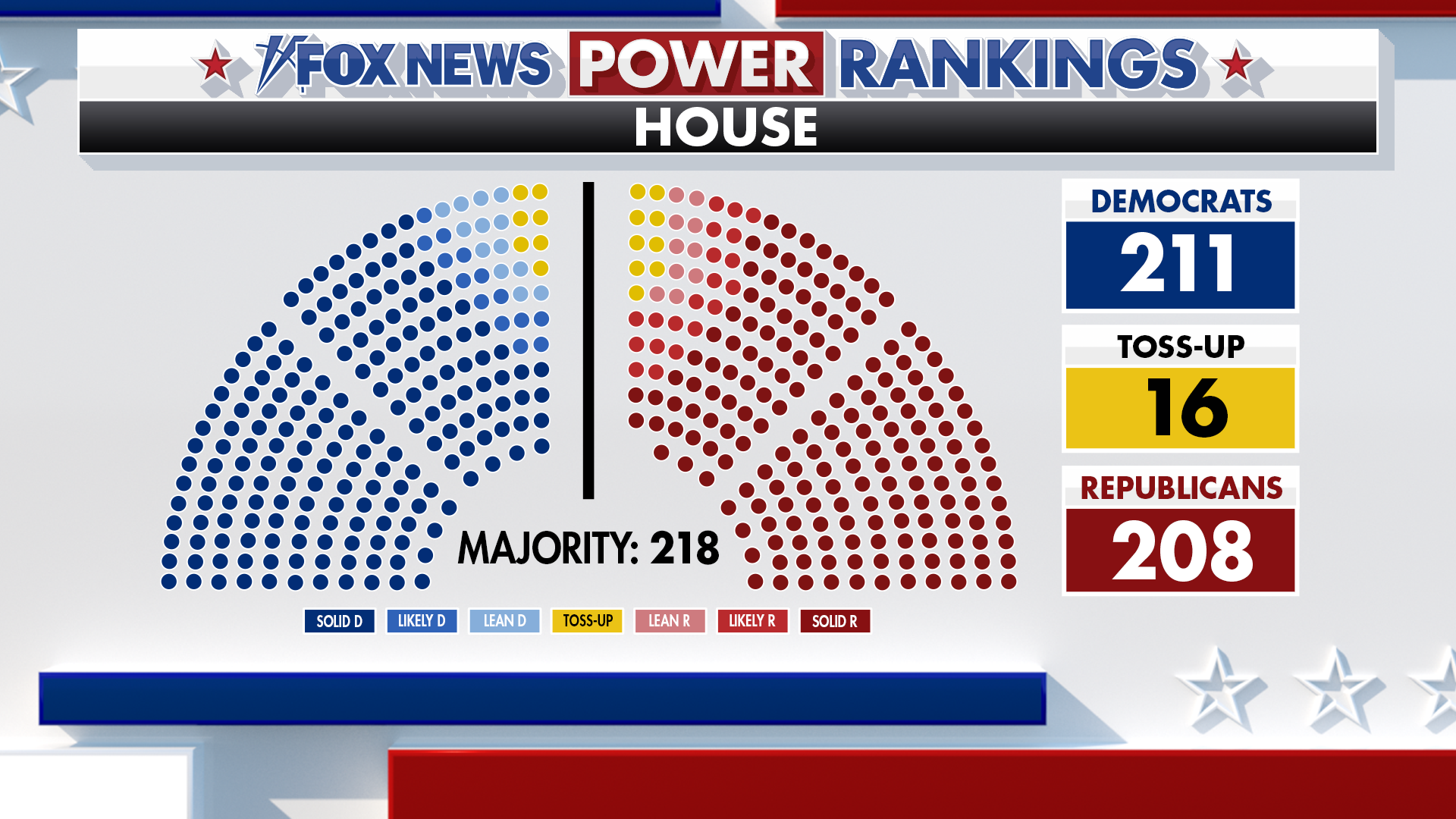
Recent analyses from prominent sources like the Cook Political Report and Fox News Power Rankings are shedding light on the state of the House races. While some projections, such as those from the Cook Political Report, initially favored Democrats, they also acknowledge a clear path for Republicans to gain control. This dynamic underscores the uncertainty surrounding the elections. Power rankings from outlets like Fox News attempt to quantify the advantage each party holds, often pointing to redistricting as a key factor that keeps the Republican Party competitive despite broader political trends that might otherwise favor the incumbent party. The narrative is one of a race too close to call, with control of the House hanging in the balance of a few dozen key districts.
Why It Matters: The Stakes for Control of the House
The outcome of these midterm house toss-up races carries immense significance. If Republicans gain a majority, they will control legislative agendas, committee assignments, and the ability to block or advance President Biden's policy objectives. Conversely, a Democratic victory would allow them to continue their legislative priorities and provide a check on potential Republican initiatives. The implications extend to oversight of the executive branch, impeachment inquiries, and the overall direction of national policy for the remainder of President Biden's term. These races are not just about individual seats; they are about the fundamental direction of the country and the ability of each party to enact its vision.
Background Context: Redistricting and the Political Climate
The current state of play in the House toss-up races is heavily influenced by two primary factors: the post-2020 census redistricting process and the prevailing political climate. Redistricting, the redrawing of congressional district boundaries every ten years, can significantly alter the partisan lean of seats. In many states, Republicans controlled the redistricting process, creating maps that may offer them an advantage, even in a challenging national environment. This has led to scenarios where, despite national headwinds that might typically favor Democrats, the specific district lines drawn provide a competitive edge for GOP candidates. Coupled with the historical trend of the party in power losing seats in midterm elections, and the current economic conditions, the stage is set for a fiercely contested election where district-specific dynamics are crucial.
What to Expect Next: A Race Down to the Wire
As the election draws nearer, expect to see increased spending and intensified campaigning in these toss-up districts. Both parties will pour resources into advertising, get-out-the-vote efforts, and candidate appearances. Political analysts will continue to update their forecasts, refining their predictions based on polling data, fundraising reports, and shifts in the national mood. The media will focus heavily on these key races, providing continuous coverage as results come in on Election Day. It is highly probable that the final control of the House will not be determined immediately on election night, but rather will hinge on the counting of ballots in these very close contests, potentially extending for days or even weeks after the initial vote.
"The path for Republicans to retake the House majority runs through these toss-up districts. While national trends might provide a tailwind, it's the specific contours of these races that will dictate the final outcome."
Key factors that will continue to be monitored include:
- Incumbent performance and name recognition.
- The impact of local issues versus national themes.
- Voter turnout in key demographics.
- The effectiveness of each party's campaign strategies in specific districts.
- The influence of high-profile endorsements and campaign events.
Ultimately, the midterm house toss-up races represent the most critical element in understanding the political power dynamic of the next two years. Their outcome will shape legislative battles, policy debates, and the balance of power in the federal government.