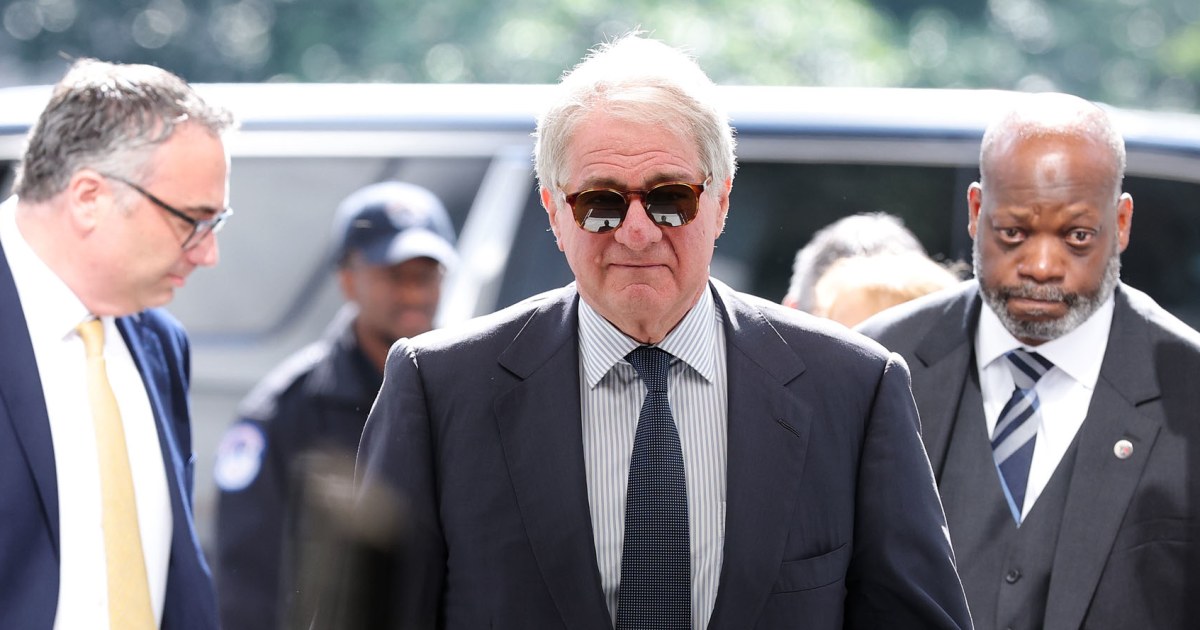
Leon Black Faces Contempt of Congress Recommendation Amid Epstein Inquiry
The name Leon Black has resurfaced in prominent news cycles following a significant development in a congressional investigation. A House panel has voted to recommend that Leon Black be held in contempt of Congress, marking a serious escalation in the ongoing inquiry related to Jeffrey Epstein. This recommendation stems from allegations that Black has failed to comply with subpoenas issued by the committee, which is seeking information about his past dealings and potential involvement with Epstein.
What Happened?
Specifically, the House Oversight Committee has moved to hold Leon Black in contempt after he allegedly failed to provide requested documents and testimony. The subpoenas were issued as part of a broader investigation into the network of Jeffrey Epstein, a convicted sex offender who died in jail in 2019 while awaiting trial on sex trafficking charges. Committee members have expressed frustration with what they describe as Black's "stonewalling" tactics, arguing that his non-compliance hinders their ability to conduct a thorough and transparent investigation.
The committee's findings suggest that Black has not adequately responded to the legal demands for information, which are crucial for understanding the scope of Epstein's alleged criminal enterprise and the relationships he maintained with influential individuals. The contempt recommendation, if adopted by the full House, could have significant legal ramifications for Black.
Why It Matters
The potential contempt charge against Leon Black is significant for several reasons. Firstly, it highlights the seriousness with which Congress is pursuing its investigation into Jeffrey Epstein and his associates. Holding a figure as prominent as Black, a billionaire financier and former CEO of Apollo Global Management, in contempt sends a strong message about the limits of cooperation and the consequences of obstructing congressional inquiries.
Secondly, it underscores the ongoing public interest in uncovering the full extent of Epstein's network and identifying any individuals who may have facilitated or benefited from his crimes. The investigation aims to bring greater accountability and transparency to powerful circles that may have been intertwined with Epstein's activities. Black's alleged refusal to cooperate suggests that there may be sensitive information that the committee believes he possesses.
"The committee is determined to uncover the truth about Jeffrey Epstein's network and ensure accountability for all involved. Mr. Black's continued refusal to provide requested information is unacceptable and hinders our investigation."
Statement from a House Oversight Committee member (paraphrased)
Background Context
Leon Black's connection to Jeffrey Epstein has been a subject of scrutiny for some time. Reports have detailed Black's past financial and personal ties to Epstein, including substantial payments made to Epstein and his associates. These connections raised concerns among lawmakers and the public about potential complicity or knowledge of Epstein's illicit activities.
Black has previously stated that he deeply regrets his association with Epstein and has cooperated with investigations. However, the recent actions by the House Oversight Committee suggest that his level of cooperation has been deemed insufficient. The committee's investigation is part of a larger effort by lawmakers to understand how Epstein was able to operate for so long and to identify any potential enablers or beneficiaries of his criminal enterprise.
The use of subpoenas is a standard tool for congressional committees to gather evidence and testimony. When individuals or entities fail to comply with these legal orders, committees have the authority to recommend contempt charges, which can lead to various sanctions, including fines and, in rare cases, imprisonment. However, historically, contempt referrals often result in continued negotiation or eventual compliance rather than immediate punitive action.
What to Expect Next
Following the House Oversight Committee's vote, the recommendation for contempt will likely be sent to the full House of Representatives for consideration. If the full House votes to approve the contempt resolution, it could then be referred to the U.S. Attorney's Office for the District of Columbia for potential criminal prosecution. However, the process can be lengthy, and often, individuals facing contempt proceedings eventually negotiate a settlement or provide the requested information to avoid further legal entanglement.
It is also possible that Leon Black and his legal team will continue to challenge the subpoenas or the basis for the contempt recommendation. The outcome will depend on a complex interplay of legal arguments, political considerations, and the ongoing demands of the investigation into Jeffrey Epstein's alleged criminal activities. The public will be closely watching to see if the committee can compel Black's full cooperation or if this will lead to further legal battles.
Key Points
- Leon Black is facing a recommendation for contempt of Congress.
- The recommendation comes from the House Oversight Committee's investigation into Jeffrey Epstein.
- Black is accused of failing to comply with subpoenas for documents and testimony.
- Contempt charges could have legal and financial consequences for Black.
- The investigation seeks to uncover the extent of Epstein's network and potential enablers.