International Space Station
Science1000+ searches
Quick Answer
The International Space Station is trending as a Cygnus XL cargo mission is slated for launch this weekend, carrying vital supplies. SpaceX is also highlighted for its ongoing role in keeping the station operational, with a launch from Florida this week.
Why Is This Trending?
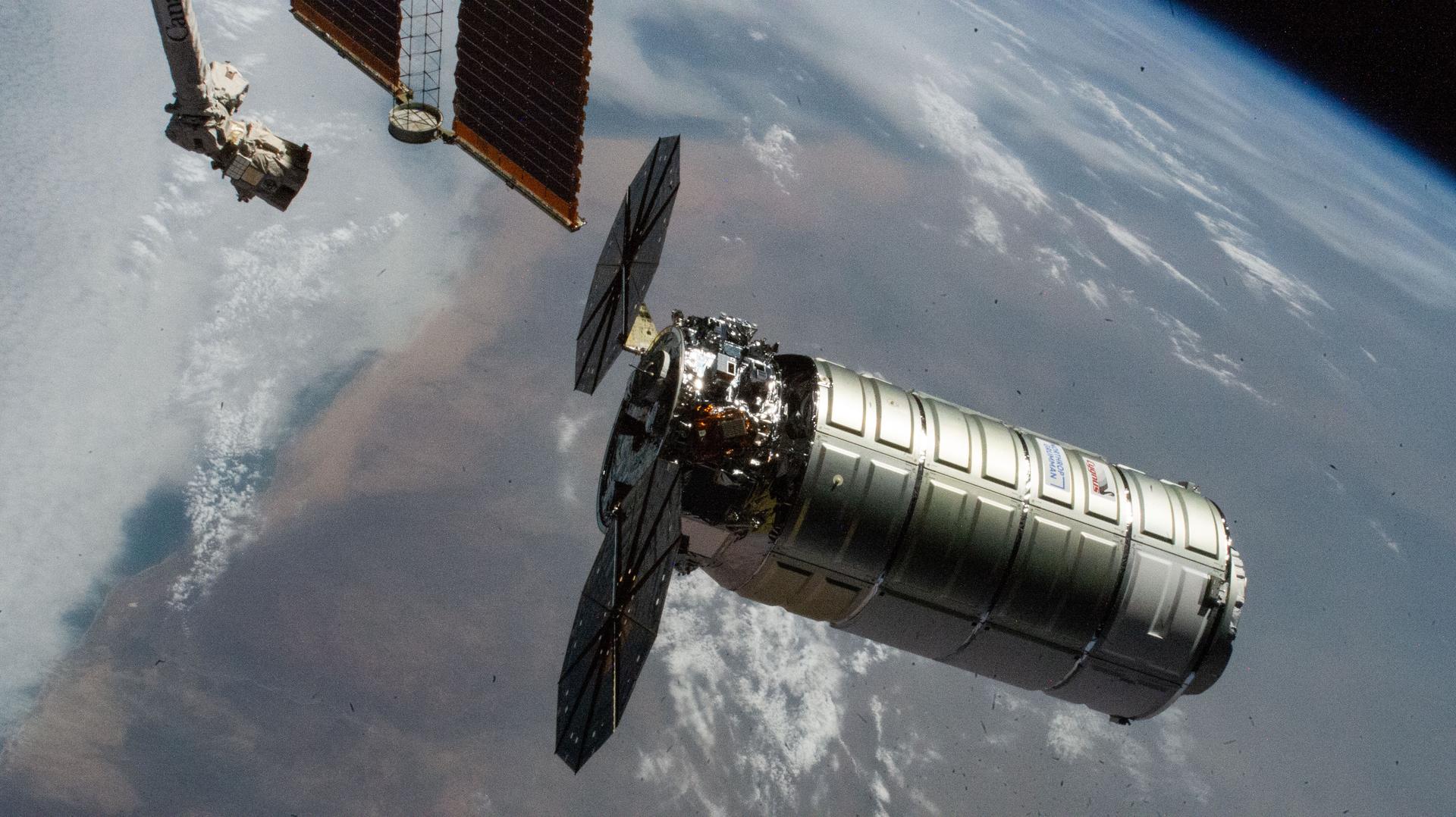
The International Space Station (ISS) is back in the spotlight this week, driven by crucial resupply missions and ongoing operational support. A key focus is the upcoming launch of the Cygnus XL cargo spacecraft, targeted for Saturday. This mission is vital for delivering essential supplies and experiments to the orbiting laboratory, ensuring its continued operation and the success of ongoing scientific research.
Beyond the immediate resupply, the role of private companies like SpaceX in maintaining the ISS is also a significant part of the current buzz. Recent reports underscore SpaceX's continuous efforts to keep the station supplied and functioning, demonstrating the critical public-private partnerships enabling humanity's presence in space. These developments, coupled with a SpaceX launch from Florida this week, place the ISS at the center of space exploration news.
International Space Station Buzzes with Resupply Missions and SpaceX Support
The International Space Station (ISS) is currently a focal point of space news, with significant activity surrounding upcoming cargo resupply missions and the continued operational support provided by private partners like SpaceX. This heightened attention stems from a combination of scheduled launches designed to keep the orbiting laboratory stocked with essential resources and to advance scientific endeavors.
What Happened: Cargo Missions and Ongoing Support
This week, the International Space Station is trending primarily due to the upcoming launch of the Northrop Grumman Cygnus XL cargo mission, which is targeted for a Saturday liftoff. The Cygnus spacecraft is a critical delivery vehicle, tasked with transporting a vital payload of supplies, equipment, and scientific experiments to the astronauts currently residing on the ISS. These cargo missions are the lifeblood of the station, ensuring that the crew has the necessary resources to live and work effectively for extended periods.
In parallel, SpaceX continues to play a pivotal role in maintaining the ISS's operational status. Reports highlight SpaceX's ongoing commitment to keeping the space station alive and well, particularly over the weekend, underscoring the company's indispensable contribution to space exploration. Furthermore, a SpaceX rocket launch from Florida this week adds to the visibility of the company's activities, which are intrinsically linked to the continuous functioning of the ISS.
Why It Matters: Sustaining Research and Human Presence in Orbit
The importance of these events cannot be overstated. The ISS is a unique microgravity research laboratory where scientists conduct experiments across a vast array of disciplines, including biology, human physiology, physics, and materials science. The data and insights gained from these studies have the potential to lead to breakthroughs that benefit life on Earth, from developing new medical treatments to understanding fundamental scientific principles.
"The International Space Station is a testament to international cooperation and a vital platform for scientific discovery that pushes the boundaries of human knowledge and capability in space." – A general sentiment echoed in space exploration circles
The continuous supply of resources via cargo missions like the upcoming Cygnus XL launch is essential for the uninterrupted progress of this research. Without regular deliveries of food, water, oxygen, spare parts, and new scientific hardware, the ISS and its mission would be jeopardized. The reliability of these resupply operations, increasingly dependent on commercial partners, is therefore crucial for sustaining a long-term human presence in low Earth orbit.
Background Context: A Legacy of International Collaboration
The International Space Station, a project involving five participating space agencies: NASA (United States), Roscosmos (Russia), JAXA (Japan), ESA (Europe), and CSA (Canada), represents one of the most ambitious and successful international collaborations in history. Launched in segments starting in 1998, it has been continuously inhabited since November 2000, serving as a unique orbiting outpost.
Over the decades, the ISS has hosted thousands of experiments and welcomed astronauts and cosmonauts from numerous countries. It has served as a proving ground for technologies and operational techniques necessary for future long-duration space missions, including those to the Moon and Mars. The increasing involvement of private companies like SpaceX and Northrop Grumman has transformed the way the ISS is supplied and maintained, ushering in a new era of commercial spaceflight.
What to Expect Next: Continued Operations and Future Missions
Following the successful deployment and docking of the Cygnus XL spacecraft, the ISS crew will begin unloading the supplies and integrating the new experiments. The cargo mission will also involve utilizing the Cygnus for waste disposal before its eventual undocking and safe deorbiting.
Looking ahead, the ISS program continues to evolve. While its operational lifespan has been extended, discussions about its eventual decommissioning and the development of future commercial space stations are ongoing. The reliability demonstrated by both NASA and its commercial partners in executing these critical resupply missions is fundamental to ensuring the station's continued success and paving the way for the next chapter of human space exploration.
The ongoing launches and operational support highlight the dynamic nature of space exploration. Citizens interested in witnessing these events can often find information on NASA and SpaceX websites regarding launch times and viewing opportunities for upcoming missions originating from Florida and other launch sites.
Related News
Frequently Asked Questions
Why is the International Space Station trending today?
The ISS is trending due to the upcoming launch of the Cygnus XL cargo mission, set to deliver essential supplies. Additionally, SpaceX's ongoing role in keeping the station operational and a recent launch from Florida are contributing to the buzz.
What is the Cygnus XL cargo mission for the ISS?
The Cygnus XL mission is a resupply effort to the International Space Station. It will carry vital cargo, including scientific experiments, equipment, and necessary provisions for the crew living and working aboard the orbiting laboratory.
What role does SpaceX play in supporting the ISS?
SpaceX plays a critical role in supporting the ISS by providing regular cargo resupply missions and crew transportation. Their consistent efforts are vital for maintaining the station's operational status and ensuring the safety and productivity of the astronauts.
When is the next major ISS event to watch?
The next major event is the launch of the Cygnus XL cargo mission, which is targeted for Saturday. Further details on launch times and viewing opportunities can typically be found on NASA's official website.
What kind of research is done on the ISS?
The ISS serves as a unique research laboratory in microgravity, hosting experiments in fields such as biology, human physiology, physics, materials science, and Earth observation. This research aims to benefit life on Earth and prepare for future space exploration.