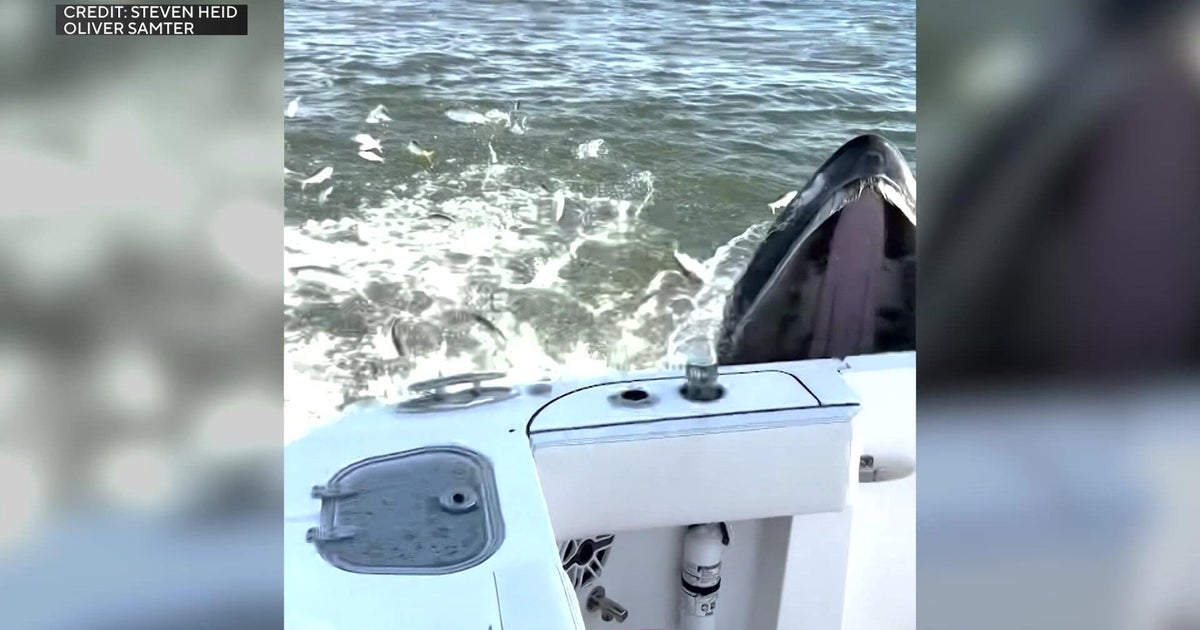
Humpback Whale Collides with Boat Off Long Island: A Close Encounter
A startling incident off the coast of Long Island has captured widespread attention after a video emerged showing a humpback whale making forceful contact with a fishing boat. The encounter, which took place near Moriches Inlet, has highlighted the unpredictable nature of marine life and the potential risks involved when boats and large whale species interact in the same waters. The dramatic footage, quickly shared across social media and news platforms, has sparked considerable discussion about marine safety and the behavior of these magnificent ocean giants.
What Happened During the Encounter?
According to reports and the viral video, a humpback whale unexpectedly surfaced and collided with a fishing boat. While the exact circumstances leading to the collision are still being analyzed, the footage clearly depicts the powerful impact of the whale against the vessel. Fortunately, initial reports suggest that no serious injuries were sustained by the occupants of the boat, nor was the vessel significantly damaged, though the experience was undoubtedly terrifying for those on board. The incident occurred in waters frequented by both recreational and commercial fishing vessels, making it a point of concern for the local boating community.
Why Does This Matter? The Significance of Whale-Boat Interactions
Collisions between whales and boats, while not entirely uncommon, are a serious concern for marine conservationists and the public alike. These incidents can result in severe injury or death to whales, often due to entanglement or blunt force trauma, and can also lead to significant damage to vessels, potentially endangering human lives. Humpback whales are a species that undertake long migrations and often feed closer to shore, increasing the chances of encountering human activities.
"Marine mammals like humpback whales are protected under federal law, and it is illegal to harass, hunt, capture, or kill them. This includes maintaining a safe distance to avoid interactions that could harm them or disrupt their natural behaviors." - NOAA Fisheries
The frequency of such encounters can be influenced by several factors, including:
- Whale Migration Patterns: Humpback whales migrate thousands of miles annually, and their routes often overlap with busy shipping lanes and recreational areas.
- Feeding Behavior: Whales often come closer to the surface to feed, sometimes in areas where boats are operating. This can include areas with abundant baitfish, which attract both whales and fishermen.
- Vessel Speed and Awareness: High vessel speeds and a lack of awareness of marine life in the vicinity can significantly increase the risk of a collision.
- Environmental Conditions: Factors like poor visibility due to fog or choppy waters can make it harder for both boat operators and whales to see each other.
Background Context: Humpback Whales and Long Island Waters
Long Island's waters, particularly the Atlantic coast, are a vital habitat and migratory pathway for various whale species, including humpbacks. In recent years, there has been a notable increase in whale sightings along the East Coast, attributed by some scientists to the recovery of whale populations and changes in prey distribution due to shifting ocean temperatures and ecosystem dynamics. This increased presence means more opportunities for people to witness these incredible animals but also elevates the potential for human-wildlife conflict.
Marine biologists and conservation organizations work diligently to monitor whale populations, study their behavior, and educate the public on best practices for coexisting with marine mammals. Educational campaigns often emphasize:
- Maintaining recommended distances from whales (typically 100 yards for most marine mammals, but specific regulations may apply).
- Avoiding approaching whales that are feeding, resting, or traveling.
- Being aware of whale presence, especially in known feeding or migratory areas.
- Reporting any sightings of injured or distressed marine mammals to authorities.
What to Expect Next: Prevention and Awareness
Following this incident, it is likely that discussions around marine safety and responsible boating practices will intensify in the Long Island region and beyond. Authorities and conservation groups may use this event as an opportunity to reinforce guidelines for interacting with marine wildlife. Expect increased public awareness campaigns and potentially renewed calls for better vessel traffic management in areas with high whale activity.
The public's fascination with the viral video underscores a broader interest in understanding and protecting marine life. While encounters like these can be alarming, they also serve as powerful reminders of the wild nature of our oceans and the importance of sharing these spaces responsibly. As whale populations continue to thrive in certain areas, the need for vigilance and respect for these ocean inhabitants becomes ever more critical for the safety of both humans and animals.