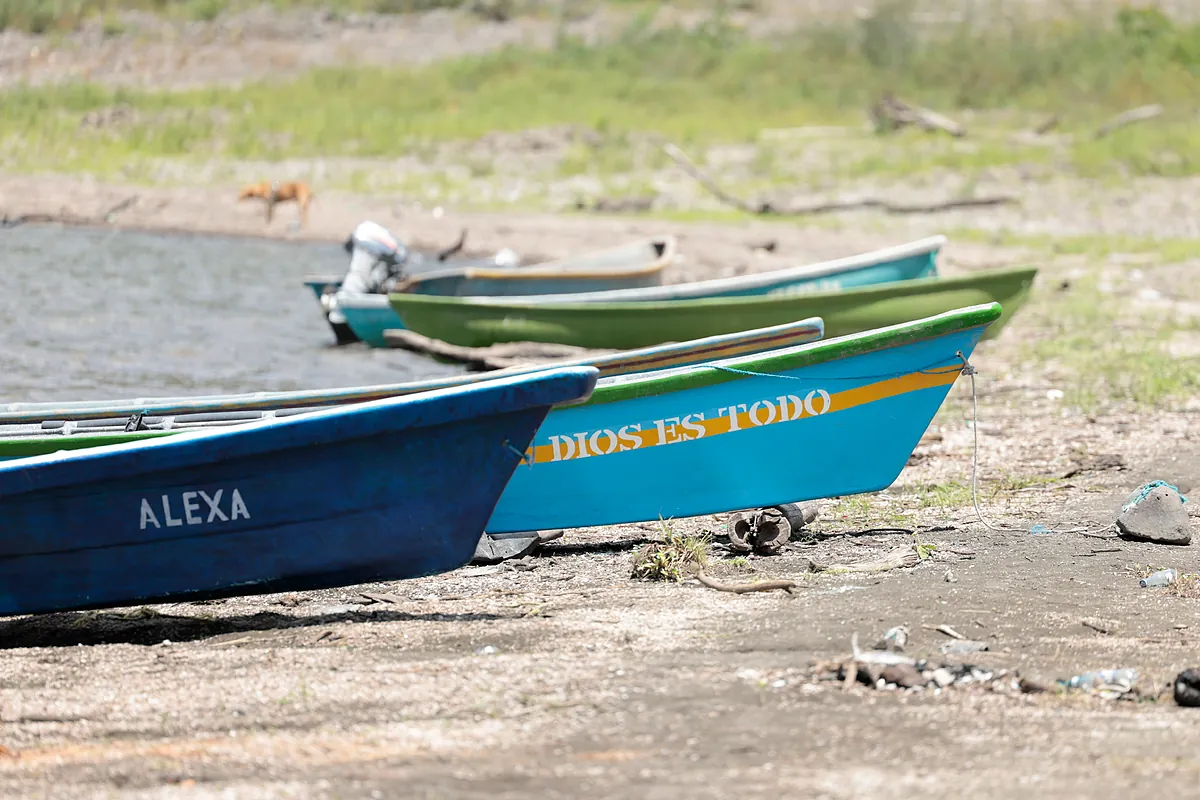
Guatemala Grapples with Devastating Drought, Forcing Survival Measures
Guatemala is currently at the epicenter of a severe agricultural crisis, fueled by an unprecedented drought that is decimating crops and pushing its rural population to the brink of survival. The scale of the devastation is alarming, with official reports indicating that hundreds of thousands of hectares of agricultural land have been affected, surpassing records from the past decade.
What Has Happened?
The primary driver behind Guatemala's trending status is the widespread and destructive drought that has gripped the nation. News outlets are reporting on the extensive damage to crops, a vital source of income and sustenance for a significant portion of the Guatemalan population, particularly in rural areas. This drought has led to widespread crop failure, leaving many farmers with little to no harvest. The immediate consequence is a severe threat to food security and livelihoods, forcing many campesinos (rural farmers) into a desperate struggle for survival. They are facing the grim reality of insufficient food supplies and the potential loss of their land and way of life.
Why This Matters: A National Crisis Unfolding
The current drought situation in Guatemala transcends a mere agricultural setback; it represents a profound national crisis with far-reaching implications. The loss of crops directly impacts the economic stability of thousands of families and contributes to broader issues of poverty and food insecurity. For campesinos, who often operate on thin margins, the destruction of their crops can mean losing their entire livelihood, potentially leading to increased migration and social unrest. The agricultural sector is a cornerstone of Guatemala's economy, and its widespread failure can have ripple effects across various industries and impact the nation's overall economic health. The severity of the current drought, exceeding previous records, suggests a worsening trend that could be exacerbated by climate change, demanding urgent and strategic interventions.
Background Context: A Vulnerable Agricultural Landscape
Guatemala's economy is heavily reliant on agriculture, with a significant portion of its population engaged in farming, often at a subsistence level. This reliance makes the nation particularly vulnerable to climate-related shocks. Coffee, bananas, sugar, and corn are among the key crops that contribute to the country's economy and food supply. Historically, Guatemala has experienced periods of drought, but the current event's intensity and duration appear to be particularly severe. Factors contributing to this vulnerability include:
- Climate Change: Like many regions, Guatemala is increasingly susceptible to the effects of global climate change, which can lead to more extreme weather patterns, including prolonged droughts and intense rainfall.
- Dependency on Rain-fed Agriculture: A large percentage of Guatemalan agriculture depends on rainfall, making it highly sensitive to variations in precipitation patterns.
- Socioeconomic Factors: Poverty and limited access to resources, technology, and irrigation systems in rural communities exacerbate the impact of environmental challenges. Smallholder farmers often lack the financial buffer to withstand crop losses.
The interconnectedness of these factors creates a challenging environment where a single adverse weather event can have devastating consequences for a large segment of the population.
Government Response: A Plan for Emergency
Recognizing the severity of the situation, the Guatemalan government has announced a comprehensive plan to address the drought emergency. This plan is structured around five key pillars, aiming to provide immediate relief and long-term solutions. While specific details of each axis are still emerging, the general outline suggests a multi-faceted approach:
- Humanitarian Assistance: Provision of food aid and essential supplies to affected families.
- Agricultural Support: Measures to help farmers recover, potentially including access to seeds, credit, or alternative crops.
- Water Management: Initiatives to improve water conservation and irrigation infrastructure.
- Economic Diversification: Support for alternative income-generating activities in affected regions.
- Resilience Building: Long-term strategies to enhance the agricultural sector's ability to withstand future climate shocks.
The government's intervention is critical, but the scale of the problem requires sustained effort and collaboration between government agencies, international organizations, and local communities to effectively mitigate the crisis.
What to Expect Next: Long-Term Implications and Resilience
The immediate focus will be on the effectiveness of the government's emergency plan in providing relief to the most affected populations. However, the long-term implications of this drought are significant. The destruction of crops and livelihoods could lead to:
- Increased Food Insecurity: Shortages and price hikes for staple foods could persist.
- Economic Strain: Reduced agricultural output will impact national GDP and export revenues.
- Migration: As survival becomes increasingly difficult, more people may be forced to leave their homes in search of better opportunities.
- Environmental Degradation: Prolonged drought can lead to soil erosion and desertification, further complicating agricultural recovery.
Moving forward, Guatemala faces the challenge of not only recovering from this immediate crisis but also building greater resilience within its agricultural sector and communities. This will likely involve investments in climate-smart agriculture, improved water resource management, and robust social safety nets. The current drought serves as a stark reminder of the urgent need for adaptation strategies in the face of a changing climate.