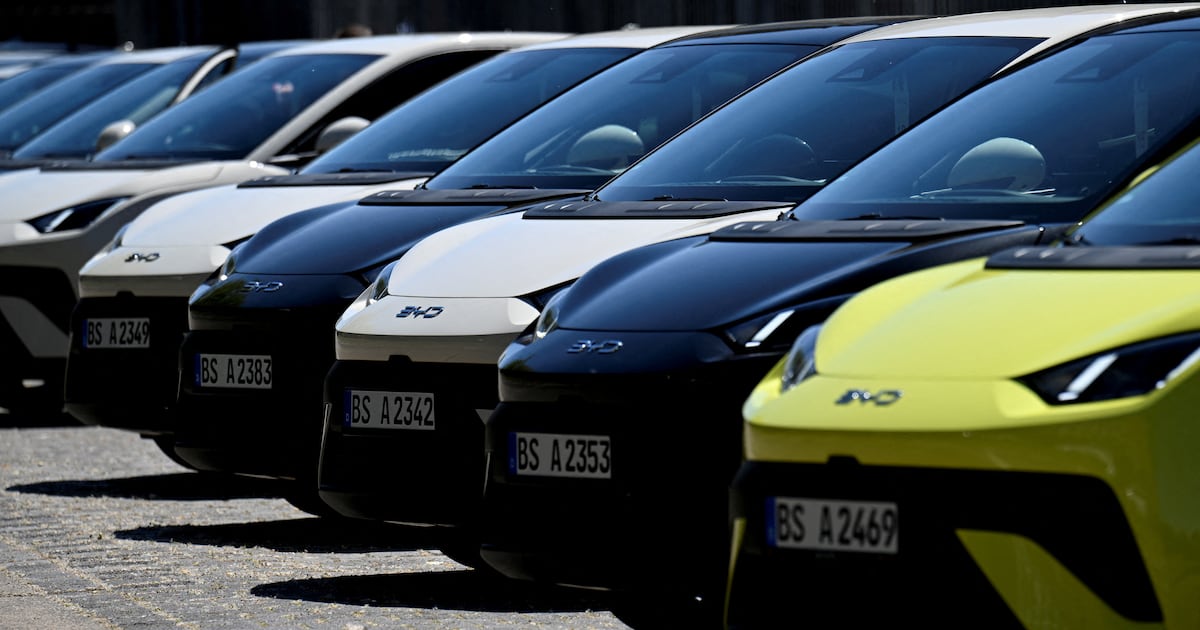
Europe Sees Electric Vehicles Overtake Gasoline and Diesel Sales for First Time
In a groundbreaking development, the European automotive market has witnessed a significant shift, with electric vehicles (EVs) now outselling traditional gasoline and diesel-powered cars for the first time. This milestone event, reported across major news outlets, indicates a profound transformation in consumer choices and the broader automotive industry's trajectory.
What Happened?
Recent data indicates that electric vehicles have achieved a new peak in sales within Europe, surpassing the combined sales of pure gasoline and diesel vehicles. While specific percentages vary slightly by report, the general consensus is that EVs now command a larger share of the market than their internal combustion engine counterparts. For instance, one report highlights that approximately 31.7% of European car sales are now EVs, with purely gasoline-fueled vehicles making up only around 21.7% of the market. This crossover point represents a pivotal moment in the ongoing transition towards sustainable transportation.
Why This Matters
The implications of this trend are multifaceted and significant. Firstly, it underscores the accelerating global move away from fossil fuels in the transportation sector. Governments worldwide, particularly in Europe, have implemented stricter emissions regulations and offered substantial incentives to encourage EV adoption. This sales crossover suggests these policies are proving effective and that consumer acceptance of electric mobility is rapidly growing.
Secondly, this development poses a considerable challenge to traditional automakers heavily reliant on gasoline and diesel vehicle production. Manufacturers must accelerate their transition to electric platforms to remain competitive. Companies that fail to adapt quickly risk losing market share and falling behind in technological innovation.
Furthermore, the shift impacts energy infrastructure, the automotive supply chain, and the broader economy. Increased EV adoption necessitates significant investment in charging infrastructure, grid upgrades, and the sourcing of raw materials for battery production. This transition also opens up new economic opportunities in areas such as battery manufacturing, software development for EVs, and renewable energy integration.
Background Context: The Rise of Electric Mobility
The rise of electric vehicles is not an overnight phenomenon. For years, EVs were considered a niche product, hampered by high costs, limited range, and a lack of charging infrastructure. However, several key developments have fueled their recent surge:
- Technological Advancements: Battery technology has improved dramatically, leading to longer ranges, faster charging times, and decreasing production costs.
- Government Support: Many governments have set ambitious targets for EV adoption and imposed regulations on internal combustion engine vehicles, including potential bans in the future. Subsidies, tax credits, and other incentives make EVs more financially attractive to consumers.
- Expanding Model Availability: Automakers are introducing a wider variety of EV models across different segments, from compact cars to SUVs and luxury vehicles, catering to a broader consumer base.
- Growing Environmental Concerns: Increased public awareness of climate change and air pollution has driven demand for more sustainable transportation options.
The European Union, in particular, has been at the forefront of this transition, with countries like Norway leading the way in EV adoption for years. The recent success across the broader EU market, including shifts in countries like Türkiye towards hybrids and EVs, indicates a continent-wide commitment to electrification.
What to Expect Next
The trend of EVs surpassing gasoline and diesel sales is likely to continue and accelerate across Europe and potentially other major global markets. We can anticipate:
- Continued Investment: Automakers will likely increase their investments in EV research, development, and manufacturing facilities.
- Infrastructure Expansion: Governments and private companies will need to significantly expand the public charging network to support the growing EV fleet.
- Policy Evolution: Expect further policy adjustments, including potential phase-outs of new gasoline and diesel car sales in the coming decades.
- Hybrid and Alternative Fuels: While EVs are leading, hybrid vehicles and potentially other alternative fuel technologies will continue to play a role during the transition period.
The recent sales figures from Europe are more than just numbers; they represent a fundamental reshaping of the automotive landscape and a tangible step towards a greener future. The era of the internal combustion engine is clearly facing its twilight.
The challenge ahead lies in managing this transition smoothly, ensuring affordability and accessibility for all consumers, and building the necessary infrastructure to support a fully electric vehicle ecosystem. The automotive industry is at a crossroads, and the path forward is undeniably electric.