Understanding the Buzz Around El Niño 2026
What's Happening with El Niño?
The climate pattern known as El Niño is once again a subject of significant discussion and scientific forecasting. Recent analyses and advisories from climate experts indicate a growing possibility of El Niño conditions re-emerging or intensifying, with projections extending towards the year 2026. This cyclical phenomenon, characterized by warmer-than-average sea surface temperatures in the central and eastern tropical Pacific Ocean, has profound and far-reaching effects on global weather systems.
The renewed interest stems from ongoing monitoring of ocean temperatures and atmospheric conditions, which are key indicators for El Niño development. While predicting the exact timing and strength of El Niño events remains a complex scientific challenge, current trends and model outputs are prompting researchers and meteorologists to discuss its potential return. This has led to a surge in media coverage and public inquiry, as people seek to understand what these climatic shifts might entail.
Why This Matters: The Broad Impacts of El Niño
El Niño events are not merely regional weather anomalies; they act as global weather influencers. Their impact is felt across continents, altering temperature and precipitation patterns in ways that can significantly affect economies, ecosystems, and daily lives. Understanding the potential for an El Niño event, especially one projected for 2026, is crucial for several reasons:
- Agriculture: El Niño can lead to droughts in some regions and excessive rainfall in others, directly impacting crop yields and livestock. This can have ripple effects on global food prices and supply chains.
- Extreme Weather: The phenomenon is associated with an increased risk of certain types of extreme weather, such as hurricanes in the Pacific, altered monsoon patterns in Asia, and shifts in storm tracks over North America.
- Water Resources: Changes in precipitation patterns can strain water resources in drought-prone areas or lead to flooding in regions experiencing unusually heavy rainfall.
- Ecosystems: Marine ecosystems, particularly coral reefs, are sensitive to changes in ocean temperatures. Terrestrial ecosystems can also be affected by shifts in temperature and rainfall, influencing plant and animal life.
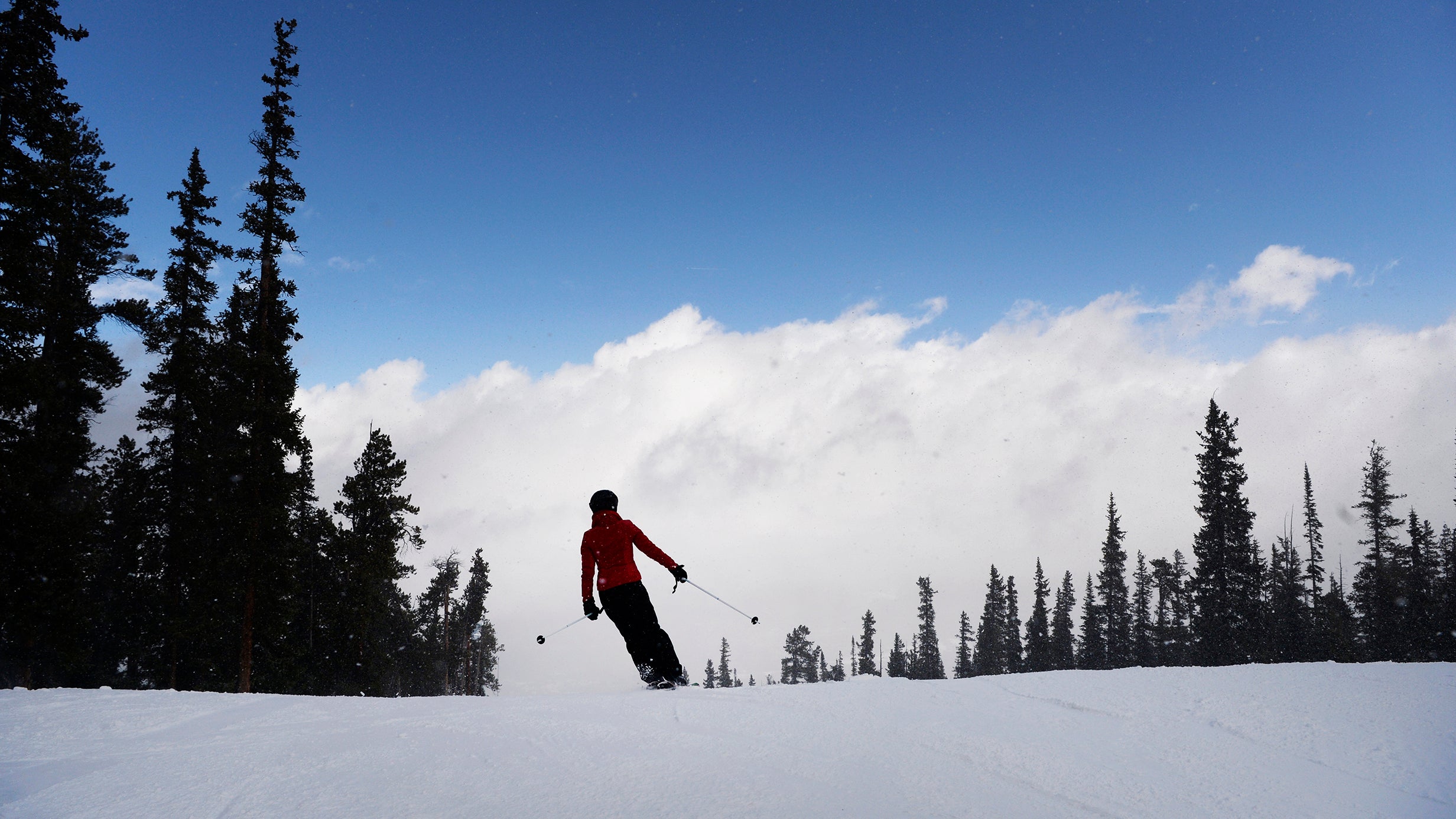
The potential for an El Niño event impacts everything from our winter ski trips to the global supply of essential goods. Staying informed is key.
Background Context: What is El Niño?
El Niño is part of a larger climate pattern called the El Niño-Southern Oscillation (ENSO). ENSO has three phases: El Niño (warm phase), La Niña (cool phase), and neutral conditions. These phases typically last for several months and occur irregularly, usually every 2 to 7 years.
During an El Niño phase, the trade winds blowing across the Pacific Ocean weaken or even reverse. This allows warmer ocean water, which is normally found in the western Pacific, to spread eastward towards South America. This redistribution of heat significantly alters atmospheric circulation patterns, leading to the widespread weather disruptions associated with El Niño.
Historically, El Niño events have varied greatly in strength, from weak to exceptionally strong, often referred to as "super El Niños." The strength of an event directly correlates with the magnitude of its global impacts. For instance, strong El Niño events have been linked to severe droughts in Australia and Indonesia, increased rainfall in the southwestern United States, and a reduction in Atlantic hurricane activity.
What to Expect Next: Forecasting and Preparedness
As discussions around a potential 2026 El Niño gain traction, the focus shifts towards improved forecasting and preparedness. Climate scientists are continuously refining their models to provide more accurate predictions regarding the onset, duration, and intensity of such events.
The news coverage reflects this forward-looking perspective. Reports from outlets like The Weather Channel and The Morning Call highlight specific concerns, such as the potential impact on winter snowfall and its consequences for recreational activities like skiing. Climatologists are also voicing concerns about the possibility of particularly strong events, with some regional forecasts suggesting the potential for "one of the strongest El Niños we’ve had."
Preparedness is paramount. Governments, industries, and individuals can take proactive steps based on El Niño forecasts. This includes adjusting agricultural practices, reinforcing infrastructure against potential extreme weather, and managing water resources more efficiently. By understanding the science behind El Niño and monitoring the latest forecasts, communities can better mitigate risks and adapt to the changing climate conditions it may bring.