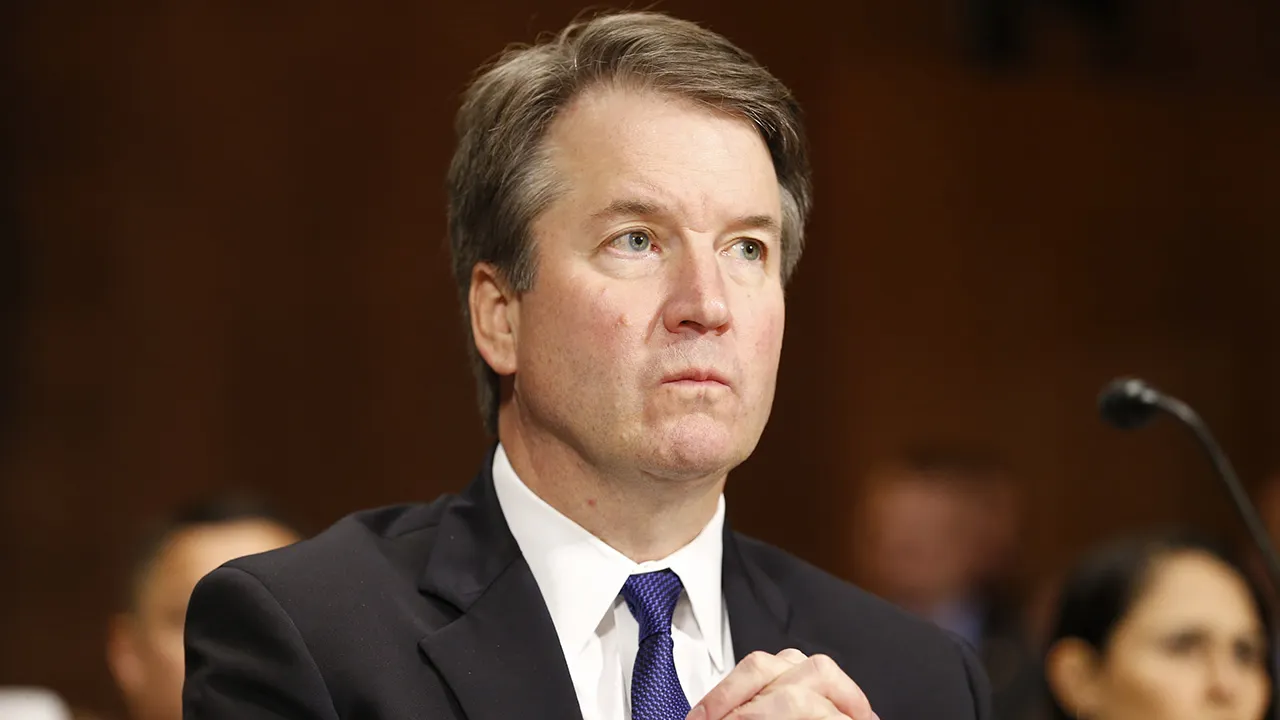
The Shifting Landscape of Court Interpretations
The term "court" is currently a focal point of public discourse, largely driven by ongoing debates and analyses surrounding the U.S. Supreme Court's interpretations of constitutional law, particularly the 14th Amendment and its implications for birthright citizenship. Recent news coverage highlights critical opinions and potential future legal challenges that could redefine fundamental aspects of American citizenship and immigration policy.
What Happened: Recent Court Rulings and Related Discourse
The current buzz around "court" is significantly influenced by recent developments and discussions involving the Supreme Court. While no single, earth-shattering ruling has been universally announced as the sole driver, the ongoing commentary and analysis of the Court's direction are creating a ripple effect. Specifically, there's a concentrated focus on how the Court might approach, or has implicitly signaled an approach towards, issues of birthright citizenship.
News outlets are reporting on opinions that scrutinize the Court's current trajectory, with particular attention paid to Chief Justice John Roberts. Articles question whether Roberts, a key figure in interpreting constitutional law, is "getting the 14th Amendment wrong." This suggests a deeper concern about the foundational principles being applied to critical legal questions.
Furthermore, speculative discussions are emerging about potential future policy pushes. These conversations, as highlighted by reports from outlets like The 19th News, include exploring whether attempts to limit birthright citizenship could extend to measures such as banning pregnant tourists. This indicates a broader anxiety and active debate about the potential curtailment of established rights and interpretations.
Why It Matters: The Stakes of Constitutional Interpretation
The discussions trending around "court" are not merely academic exercises; they carry profound implications for American society and its legal framework. Birthright citizenship, enshrined by the 14th Amendment, is a cornerstone of American identity, granting citizenship to nearly all individuals born within U.S. territory. Any reinterpretation or challenge to this principle could dramatically alter the lives of millions and reshape the nation's demographic and social fabric.
The scrutiny of Chief Justice Roberts and the Court's alignment with conservative legal philosophies suggests a potential shift in judicial precedent. Such shifts can affect a wide range of rights and established norms, influencing everything from civil liberties to economic policy. The debate underscores the critical role of the judiciary in a democracy and the public's interest in ensuring that constitutional interpretations are sound, just, and aligned with the amendment's original intent or evolving societal understanding.
"The 14th Amendment is one of the most important amendments to the Constitution, guaranteeing equal protection under the law and citizenship to all persons born or naturalized in the United States. Any challenge to its interpretation is a challenge to the very fabric of our nation."
Background Context: Birthright Citizenship and the 14th Amendment
The concept of birthright citizenship in the United States is primarily rooted in the Citizenship Clause of the 14th Amendment, ratified in 1868. The clause states: "All persons born or naturalized in the United States, and subject to the jurisdiction thereof, are citizens of the United States and of the State wherein they reside." This was largely intended to ensure that newly freed slaves would be recognized as citizens.
Historically, the Supreme Court has affirmed the principle of birthright citizenship. The landmark 1898 case United States v. Wong Kim Ark established that individuals born in the U.S. to parents who were subjects of a foreign power were still U.S. citizens. This case is considered a key precedent for birthright citizenship.
However, debates about its application, particularly concerning children born to undocumented immigrants or individuals on temporary visas, have persisted for decades. These debates often involve arguments about whether such individuals are truly "subject to the jurisdiction" of the United States in the sense intended by the amendment's framers. Opponents of robust birthright citizenship often argue that the original intent excluded children of non-citizens and that the Wong Kim Ark ruling has been misinterpreted or overextended.
What to Expect Next: Future Legal and Political Battles
Given the current discourse and the potential for future policy initiatives, it is likely that the legal and political battles surrounding birthright citizenship will continue. If the Supreme Court were to take up cases directly challenging birthright citizenship, or if legislative efforts were made to restrict it, we could see significant legal challenges advance through the court system.
The discussions involving potential bans on pregnant tourists indicate a more expansive view of how such restrictions might be pursued. These proposals, if enacted or even seriously debated, would undoubtedly face immediate legal challenges, potentially bringing the issue back to the Supreme Court under new legal theories.
The public's attention on the Court's interpretations, especially concerning fundamental rights and constitutional amendments, signals a heightened awareness of the judiciary's power. Expect continued analysis from legal scholars, political commentators, and advocacy groups as these critical issues evolve. The composition of the Supreme Court and the specific cases it chooses to hear will be pivotal in determining the future of birthright citizenship in the United States.