Cam Skattebo's Unnecessary Roughness Flag Sparks Debate
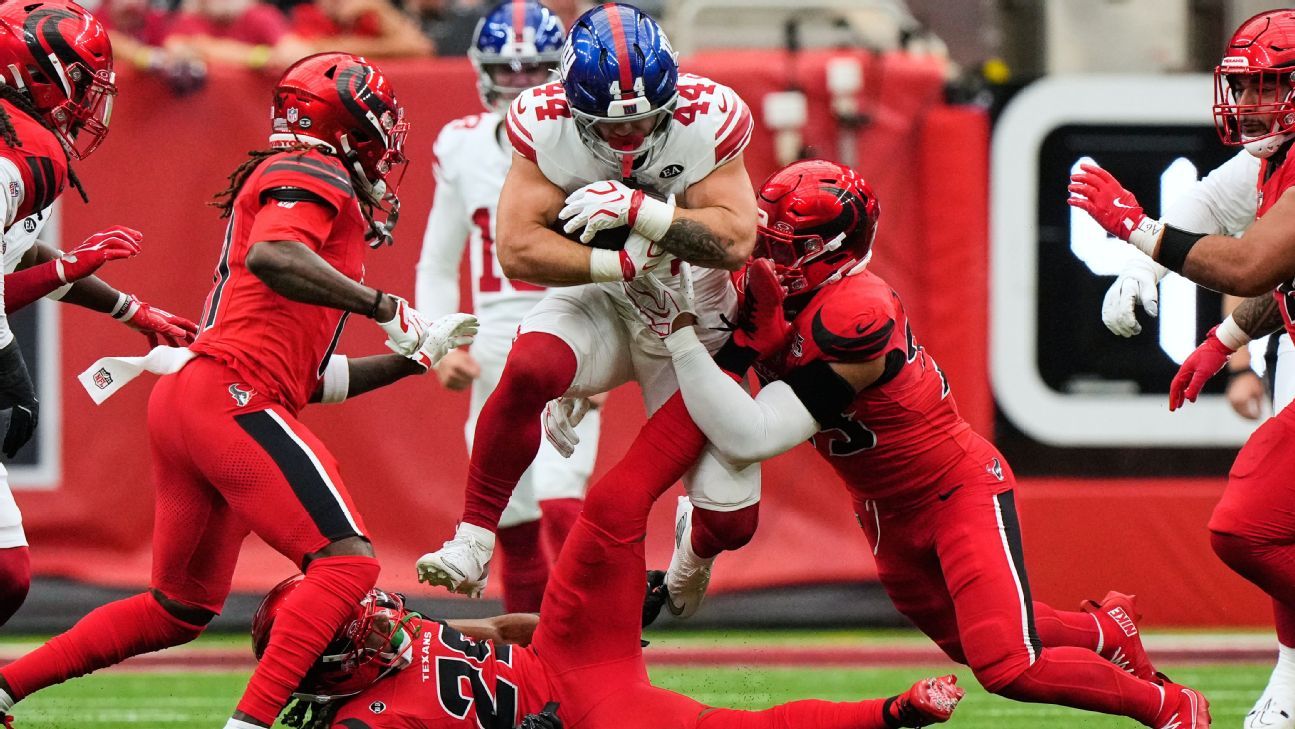
The recent "unnecessary roughness" penalty called on New York Giants' rookie fullback Cam Skattebo has become a trending topic, igniting passionate discussions across NFL fan bases and sports media. The flag was thrown during a game against the Houston Texans when Skattebo, known for his aggressive running style, lowered his helmet while driving for a first down. This incident brings to the forefront the NFL's ongoing struggle to balance physical play with player safety, particularly concerning helmet use and head impacts.
What Happened?
During a critical moment in the Giants-Texans matchup, Cam Skattebo powered forward on a run play aimed at securing a first down. In the process of making contact and trying to gain additional yardage, Skattebo lowered his head, leading to the officials throwing an "unnecessary roughness" flag. The penalty, specifically for lowering the helmet into a defender, is designed to curb dangerous collisions that could lead to concussions and other head injuries. The nature of the play, involving a forceful drive by the fullback, led to immediate reactions from spectators and analysts, with the flag becoming a focal point of post-game analysis.
Why Does This Matter?
This incident is trending because it highlights a contentious and consistently debated aspect of NFL rules: the enforcement of penalties related to player safety. Skattebo's penalty is not an isolated event but rather the latest example in a long line of plays that have drawn scrutiny under the league's stricter guidelines on helmet use. For fans, it raises questions about the definition of "unnecessary roughness" when a player is simply trying to be effective and physical on a run. For the league, it underscores the challenge of officiating these plays in real-time, where split-second decisions are made under immense pressure. The fact that prominent figures like Ravens coach John Harbaugh have defended Skattebo's technique, as reported by NBC Sports and ESPN, further amplifies the debate, suggesting that the interpretation of these rules can be subjective and varies even among coaching professionals.
Background Context: Player Safety in the NFL
The NFL has been on a relentless pursuit to reduce head injuries for over a decade. This effort has led to the implementation and refinement of rules targeting helmet-to-helmet contact, spearing, and the act of lowering the head into a defender. These rules aim to protect players, especially defenseless receivers and ball carriers, from potentially career-ending or life-altering head trauma. However, these regulations have also faced criticism for potentially altering the physicality of the game and, at times, leading to controversial calls that fans perceive as inconsistent or overly punitive. Fullbacks and running backs, who often engage in low, powerful drives, are particularly susceptible to drawing these flags. Skattebo's technique, while effective in generating power, is precisely the type of action the league is trying to discourage to minimize the risk of neck and head injuries.
Skattebo's Technique and the Debate
Cam Skattebo, a rookie who has shown promise with his bruising style, has become an unlikely figurehead in this ongoing discussion. His willingness to lower his head is a common tactic employed by many players in similar situations to drive forward and protect themselves while initiating contact. However, under the current rules, this very action can be penalized. The related news indicates that Skattebo himself, along with others like coach John Harbaugh, have voiced objections to the strictness of such penalties, suggesting that his technique is a functional part of his game and perhaps not inherently "unnecessary" when executed with intent to gain yardage rather than inflict harm. Yahoo Sports noted the violent nature of the run that led to the penalty, framing it as a high-impact play typical of Skattebo's style.
What to Expect Next
As the NFL season progresses, it's highly probable that similar penalties will continue to be a talking point. The league will likely continue to monitor these types of plays, balancing the need for aggressive action on the field with the paramount importance of player safety. For Cam Skattebo and other players who utilize similar running styles, the challenge will be to adapt their techniques to comply with evolving rules without sacrificing effectiveness. Fans can expect continued debate surrounding officiating, player safety initiatives, and the overall physicality of American football. Future games will undoubtedly see more instances where the line between a hard-nosed play and an illegal one is tested, keeping this trending topic alive in the NFL discourse.
"The emphasis on player safety is undeniable, but where do we draw the line between protecting players and policing the fundamental physicality of the game?"
The discussion around Skattebo's flag serves as a microcosm of the larger challenges the NFL faces. It’s a conversation that involves players, coaches, officials, and fans, all grappling with how to ensure the long-term health of athletes while preserving the exciting, high-impact nature of professional football. The league's commitment to safety will be continuously tested by plays like this, and the discourse surrounding them will remain a significant part of the NFL narrative.