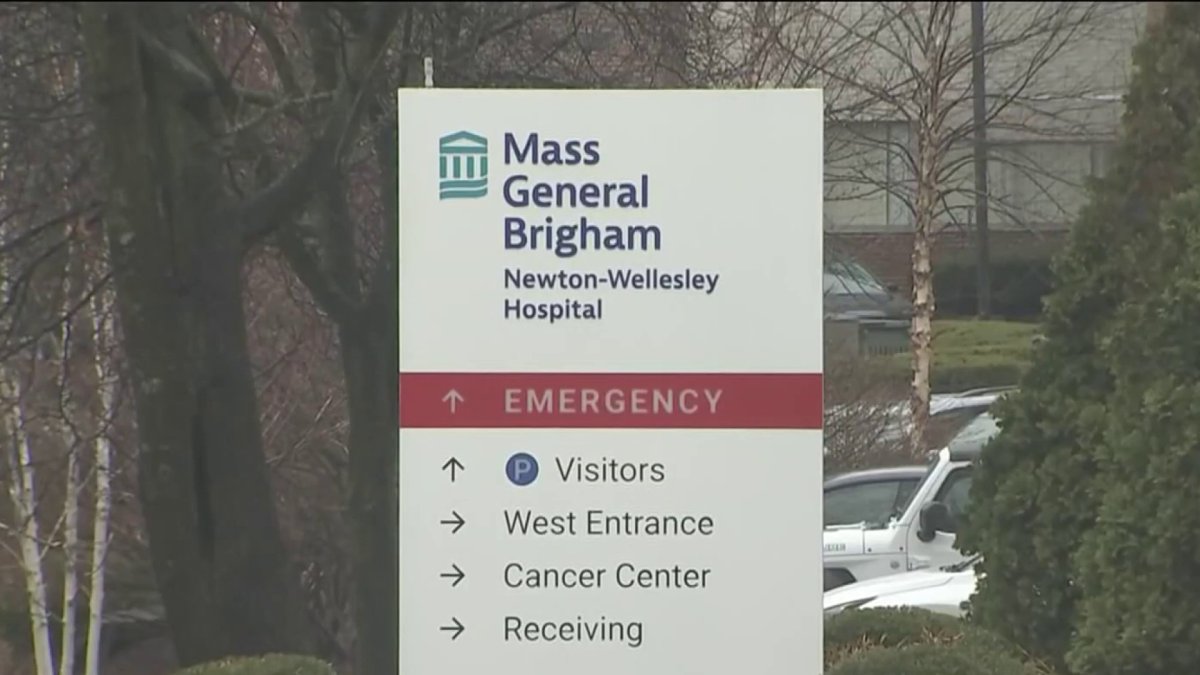
Investigation into Nurse Brain Tumor Cluster at Newton-Wellesley Hospital
The emergence of a cluster of brain tumor diagnoses among nurses at Newton-Wellesley Hospital has sparked significant public interest and concern. Reports indicate that 11 nurses working at the hospital were diagnosed with brain tumors, prompting an investigation into potential causes, including environmental factors at the hospital. This situation has raised questions about occupational health risks and the possibility of a "cancer cluster."
What Happened?
The core of this trending topic is the diagnosis of brain tumors in a group of 11 nurses associated with Newton-Wellesley Hospital. This number, significantly higher than what might be statistically expected in a similar demographic, raised immediate alarms. Families and healthcare professionals began questioning whether there might be a common environmental exposure linked to their workplace. The proximity of these diagnoses among individuals working in the same facility led to widespread speculation and concern about a potential "cancer cluster."
Independent Review and Findings
In response to the growing concerns, an independent review was commissioned to thoroughly investigate the matter. The findings of this review, recently reported by NBC Boston and other outlets, concluded that there was no evidence to suggest that the hospital environment or its operations caused the brain tumors. This review likely examined various potential factors, including environmental monitoring, hospital procedures, and employee health records, to reach its conclusions. The review's determination aims to provide a factual basis for understanding the situation and to alleviate fears of workplace-related illness.
Why This Matters
The Newton-Wellesley Hospital brain tumor case is significant for several reasons. Firstly, it underscores the anxiety and fear that arise when unusual patterns of serious illness are observed within a community, especially one centered around a healthcare facility. Secondly, it highlights the critical importance of rigorous, independent investigations to ascertain the facts. While the independent review has offered reassurance, the initial concern is a testament to the sensitivity surrounding potential occupational health hazards. For nurses and other healthcare professionals, who often work in demanding environments, understanding potential risks is paramount. The case also brings attention to the challenges in identifying the causes of rare diseases and cancer clusters, which can be complex and multifactorial, often lacking a single identifiable cause.
"The findings of the independent review are a crucial step in understanding this situation, offering a degree of clarity amidst public concern."
Background Context: Cancer Clusters and Nurse Health
The concept of "cancer clusters" refers to an unusual aggregation of cancer cases that occur within a geographic area or time period. Identifying and confirming a cancer cluster can be challenging, as it requires statistical analysis, epidemiological studies, and thorough investigations into potential environmental or occupational causes.
Nurses, as a profession, can be exposed to a variety of occupational hazards, including certain chemicals, radiation, and infectious agents, depending on their specialization. While these known risks are generally well-managed, any unusual health pattern within a nursing staff naturally prompts a closer look at the work environment. The cluster of brain tumors at Newton-Wellesley Hospital, regardless of the independent review's findings, serves as a poignant reminder of the need for continuous vigilance regarding the health and safety of healthcare workers.
What to Expect Next
While the independent review has concluded that the hospital is not the cause, the story may continue to evolve. Further transparency regarding the review's methodology and detailed findings could be expected. Additionally, ongoing public discussion and individual stories of those affected might continue to bring attention to the issue. The long-term health outcomes of the affected nurses will also remain a point of focus.
The situation at Newton-Wellesley Hospital serves as a case study in how such events are investigated and communicated. The trend in search traffic indicates a public desire for information and reassurance, underscoring the importance of clear, factual reporting and transparent investigation processes in public health matters.
Key Takeaways:
- A cluster of 11 brain tumor diagnoses among nurses at Newton-Wellesley Hospital generated significant public concern.
- An independent review concluded that the hospital environment was not the cause of the tumors.
- The case highlights public anxiety surrounding potential cancer clusters and occupational health risks.
- Investigations into such clusters are complex and require rigorous scientific analysis.