Yellowstone Bison Incidents Spark Safety Concerns
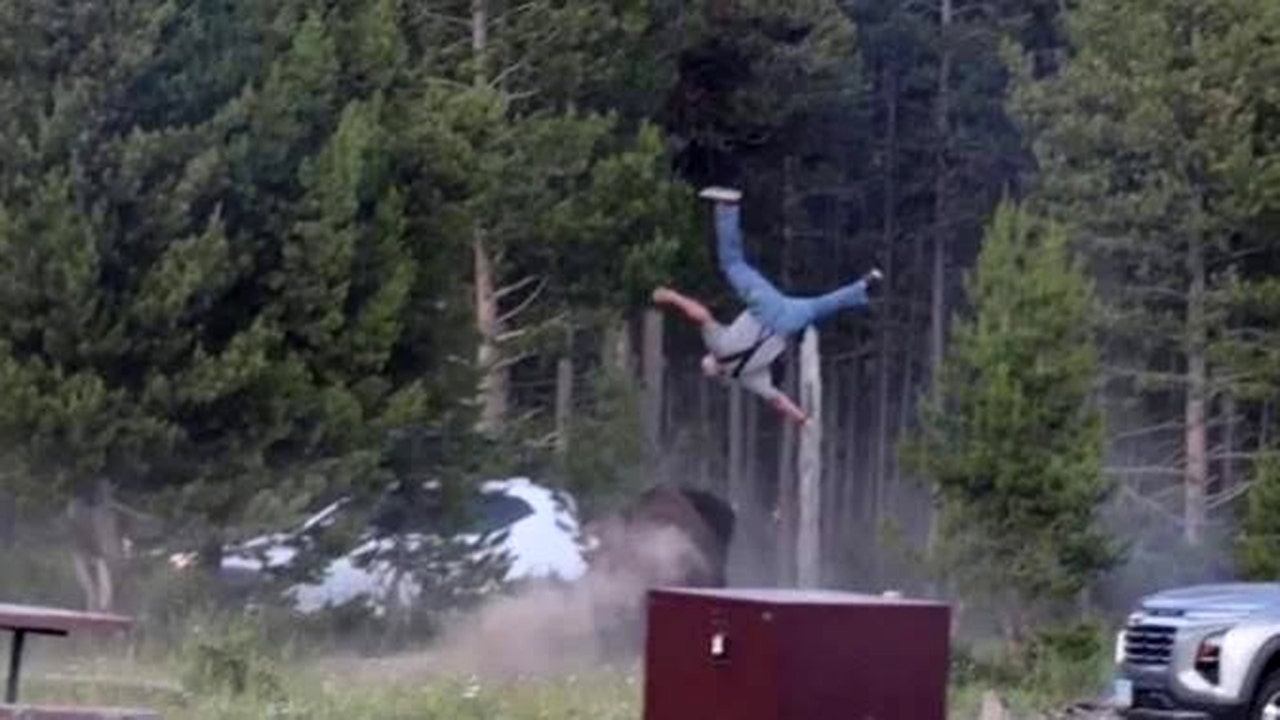
Recent events in Yellowstone National Park have brought the formidable American bison to the forefront of trending news. Multiple incidents involving tourists and these powerful wild animals have resulted in serious injuries, capturing public attention and prompting renewed discussions about wildlife safety in national parks. The dramatic nature of these encounters, including a widely reported instance where a tourist was violently tossed into the air, underscores the inherent risks of interacting with untamed creatures.
What Happened? Recent Bison Encounters Detailed
The recent surge in news coverage is directly linked to several alarming encounters within Yellowstone. One particularly notable incident involved a tourist who, after reportedly getting too close, was gored and launched approximately eight feet into the air by a bull bison. This event, captured by onlookers, quickly went viral, highlighting the immense strength and unpredictable nature of these animals. Other reports indicate further injuries to visitors, leading park officials to make difficult decisions regarding the animals involved and to reinforce safety protocols.
Officials at Yellowstone have been deliberating the fate of the bison involved in these incidents. While the park's primary mission is to protect wildlife, visitor safety remains a paramount concern. Decisions regarding whether to relocate or humanely euthanize animals that have demonstrated aggressive behavior towards humans are often complex and met with public scrutiny. These actions are taken as a last resort, emphasizing the park's commitment to maintaining a balance between wildlife preservation and public safety.
Why These Incidents Matter: Wildlife Safety and Responsible Tourism
These trending stories are significant for several reasons. Firstly, they serve as a stark reminder that Yellowstone, while a place of natural beauty, is home to wild animals that can be dangerous. Bison, despite their often placid appearance, are capable of sudden and aggressive charges, especially when they feel threatened or are protecting their young. The injuries sustained by tourists underscore the need for visitors to maintain a safe and respectful distance from all wildlife.
"When an animal is threatened, it can react aggressively. We urge visitors to always maintain a safe distance, stay on boardwalks, and never approach or feed wildlife." - Yellowstone National Park Statement (Paraphrased based on common park advisories)
Secondly, these events fuel a broader conversation about responsible tourism. As visitor numbers to national parks continue to rise, so does the potential for human-wildlife conflict. The incidents prompt reflection on how to educate visitors about wildlife behavior and park regulations, ensuring that the desire to capture a memorable photo or experience nature up close does not lead to dangerous situations. The trending nature of these stories can be leveraged to educate a wider audience about these critical safety messages.
Background Context: Bison in Yellowstone
Bison are North America's largest land mammals and are a keystone species in Yellowstone's ecosystem. Once nearly driven to extinction, Yellowstone is home to one of the oldest and largest free-ranging bison herds in the world. These animals are a major attraction for visitors, symbolizing the wild spirit of the American West. However, their size (bulls can weigh up to 2,000 pounds) and strength mean they command respect and caution.
Yellowstone National Park has long implemented guidelines for visitor safety around bison. These include maintaining a minimum distance of 25 yards (about 75 feet) from bison and 100 yards from bears and wolves. Visitors are advised to be aware of their surroundings, especially when traveling in areas where bison are commonly seen, such as Lamar Valley and Hayden Valley.
What to Expect Next: Enforcement and Education
Following these recent incidents, it is likely that Yellowstone National Park will intensify its efforts to enforce existing wildlife safety regulations. This could include increased ranger presence in high-traffic areas, more prominent signage, and potentially stricter penalties for visitors who violate safety guidelines.
Furthermore, the park may ramp up its public education campaigns. Utilizing social media, visitor centers, and official park communications, Yellowstone will likely emphasize the importance of respecting wildlife and understanding their behavior. The goal is to prevent future incidents by fostering a culture of safety and awareness among all visitors, ensuring that the awe-inspiring presence of bison can be appreciated from a safe distance.
The ongoing coverage of these bison encounters serves as a crucial reminder for anyone planning a visit to Yellowstone or other wildlife-rich areas. The wildness that draws people to these natural wonders also demands a heightened sense of caution and respect. By adhering to park rules and understanding the potential dangers, visitors can help ensure their own safety and contribute to the preservation of these magnificent animals and their natural habitat.