Bastille Day: A Nation Prepares for Celebration Amidst Evolving Traditions
Bastille Day, or La Fête Nationale, is a pivotal national holiday in France, commemorating the storming of the Bastille prison on July 14, 1789. This historic event marked a turning point in the French Revolution, symbolizing the end of absolute monarchy and the dawn of a republic. Today, Bastille Day is celebrated with a mixture of solemn remembrance and vibrant festivity, characterized by military parades, public gatherings, fireworks, and traditional balls.
What Happened?
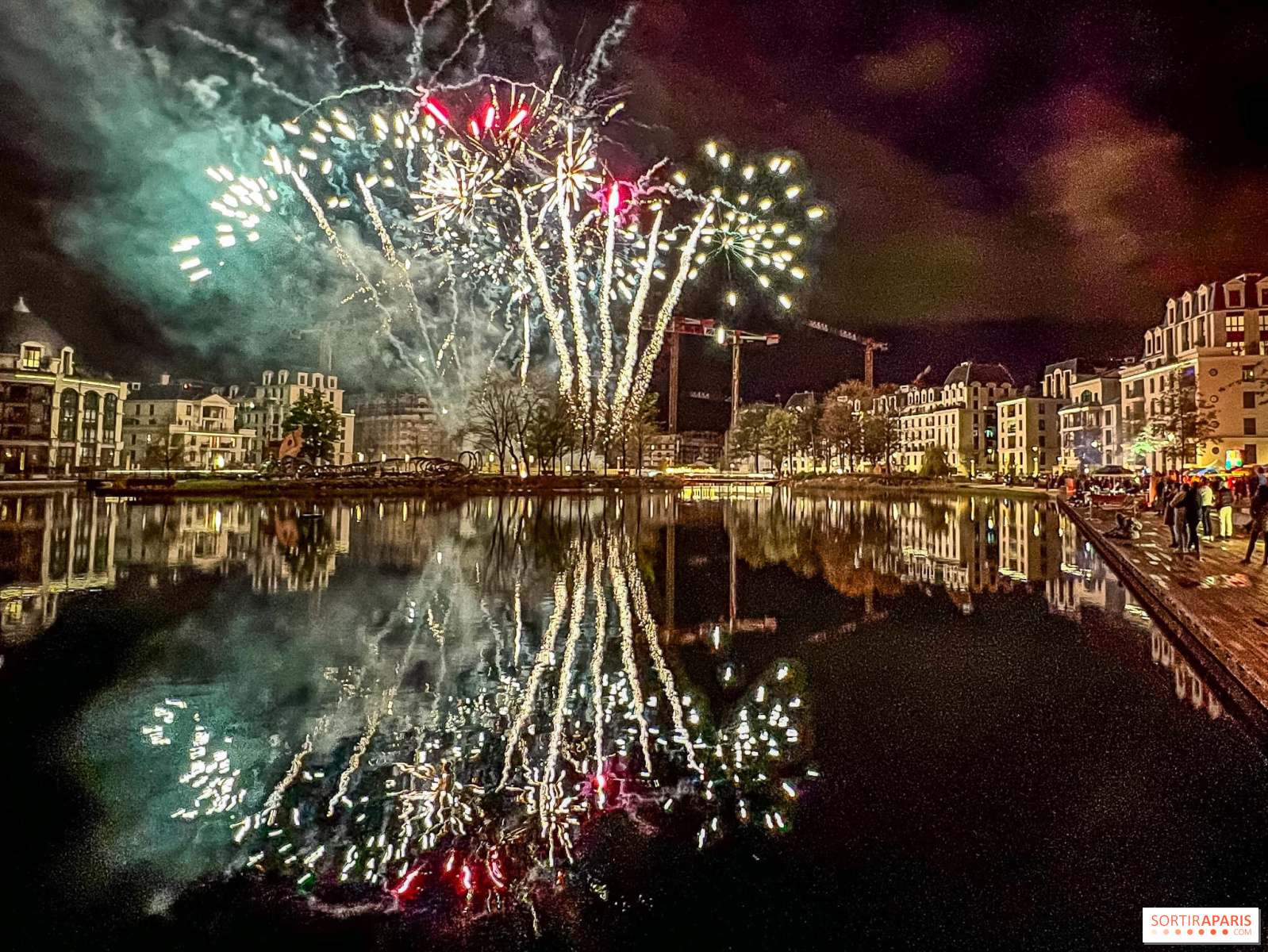
As Bastille Day approaches, news coverage is highlighting various aspects of the upcoming celebrations and related events. Recent reports indicate potential future disruptions for fireworks displays, with a specific mention of the 2026 events in Seine-et-Marne facing uncertainty. This raises questions about the logistical and environmental considerations that might affect future public spectacles. In parallel, preparations for pre-Bastille Day festivities are underway, notably a popular music-filled dance party scheduled for July 13th in Fontenay-aux-Roses, signaling the start of the celebratory period for many. Furthermore, the enchanting prospect of candlelit evenings accompanied by fireworks at famous châteaux in the Paris region offers a more refined and picturesque way for people to mark the occasion.
Why It Matters: Symbolism and Celebration
Bastille Day is more than just a public holiday; it is a potent symbol of French identity, republican values, and the nation's historical struggle for liberty, equality, and fraternity. The storming of the Bastille represented a definitive break from the ancien régime and the assertion of popular sovereignty. The celebrations serve to reinforce these national ideals and foster a sense of unity and shared heritage among the French people. The holiday's importance is amplified by the diverse ways it is observed, from the grand military parade on the Champs-Élysées, watched by millions, to local festivities in towns and villages across the country.
Background Context: The French Revolution and its Legacy
The events of July 14, 1789, were the culmination of years of social and economic unrest in France. The Bastille, a medieval fortress used as a state prison, was seen as a symbol of royal authority and tyranny. Its storming by an increasingly agitated populace, seeking arms and gunpowder, was a pivotal moment that galvanized the French Revolution. The establishment of the French Republic and the declaration of human rights followed, fundamentally reshaping France and influencing political thought worldwide.
The official adoption of July 14th as the national holiday occurred in 1880, proposed by Léon Gambetta. The law established two separate celebrations: a civic commemoration of the Republic and a celebration of the Fête de la Fédération of 1790, which celebrated the unity of the French nation. This duality reflects the holiday's complex origins, acknowledging both the revolutionary struggle and the subsequent consolidation of national unity.
What to Expect Next: Celebrations and Future Considerations
As July 14th approaches, the nation can anticipate a range of traditional and contemporary celebrations. The iconic military parade on the Champs-Élysées will undoubtedly be a central focus, showcasing the French armed forces. Across the country, towns and cities will host fireworks displays, public concerts, and community events. The mention of potential issues with future fireworks, such as the 2026 displays in Seine-et-Marne, suggests an ongoing dialogue about balancing traditional celebrations with evolving environmental and safety regulations.
The news also points towards the enduring appeal of unique celebratory experiences. Events like the candlelit château evenings and local dance parties on July 13th demonstrate the diverse ways French citizens and visitors engage with the holiday. These events cater to different preferences, from grand public spectacles to more intimate, atmospheric gatherings, ensuring that Bastille Day continues to be a widely anticipated and cherished national observance.
Key elements of Bastille Day celebrations typically include:
- The military parade on the Champs-Élysées in Paris.
- Fireworks displays in cities and towns across France.
- Public dances (bals populaires) and concerts, often held on the eve of Bastille Day.
- Firefighters' balls (bals des pompiers).
- Official ceremonies and speeches reflecting on the nation's history and values.
"Bastille Day is a powerful reminder of the ideals of the French Revolution and their enduring relevance today."
The ability of Bastille Day to adapt and evolve, while retaining its core symbolism, ensures its continued significance in French culture. The current news cycle reflects this dynamic, highlighting both the established traditions and the emerging considerations that shape how France celebrates its national day.