American Federation of Government Employees (afge
Politics100+ searches
Quick Answer
The American Federation of Government Employees (AFGE) is trending due to concerns over a proposed Office of Personnel Management (OPM) rule that would allow the government to collect sensitive medical records of federal employees and their families. AFGE is actively opposing this plan, arguing it infringes on privacy and could be used for punitive measures.
Why Is This Trending?
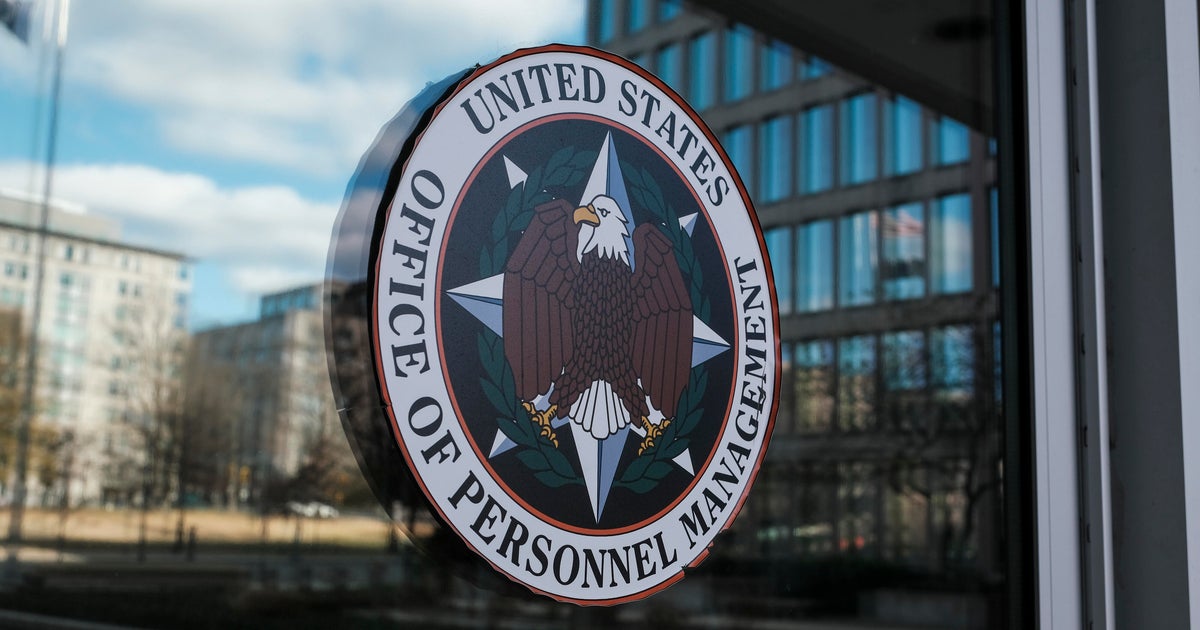
The American Federation of Government Employees (AFGE) has become a focal point of discussion and concern following revelations about a new policy proposed by the Office of Personnel Management (OPM). This policy, supported by the Trump administration's personnel agency, seeks to grant the government unprecedented access to the medical records of federal workers and their families. This move has sparked alarm among privacy advocates and employee unions, with AFGE leading the charge in voicing strong opposition.
The core of the controversy lies in the potential for the government to collect detailed and personal health information, raising significant questions about data security, potential misuse, and the erosion of employee privacy. AFGE argues that such broad access to sensitive medical data is unwarranted and could pave the way for discriminatory practices or retribution against employees based on their health status. The union is mobilizing to fight this proposal, highlighting the potential chilling effect it could have on federal workers seeking necessary medical care and the broader implications for civil liberties in the federal workforce.
AFGE Raises Alarm Over Federal Employee Medical Records Proposal
The American Federation of Government Employees (AFGE) is currently at the center of a significant debate surrounding federal employee privacy. A new proposal, spearheaded by the Trump administration's personnel agency, the Office of Personnel Management (OPM), aims to collect detailed medical records of millions of federal employees and their families. This initiative has triggered widespread concern and strong opposition from the AFGE, which is actively campaigning against the policy change.
What Happened?
The crux of the trending topic is OPM's plan to significantly expand the government's ability to access the personal health information of federal workers. While specific details of the proposed rule are still emerging, reports indicate that it could allow for the collection of sensitive medical data, potentially including diagnoses, treatments, and other personally identifiable health information. This move is being framed by OPM as a necessary measure, though the exact justifications have been met with skepticism.
AFGE has been vocal in its condemnation of the proposal. The union released statements and alerts sounding the alarm about what it perceives as a severe breach of privacy and a potential tool for undue government scrutiny. The union argues that such broad access to medical records is an overreach and goes against established privacy principles for employees.
Why This Matters: Privacy Concerns and Potential Misuse
The potential implications of OPM's proposal are far-reaching, touching upon fundamental employee rights and privacy. AFGE and other critics argue that:
- Privacy Violation: Granting the government granular access to medical histories is a significant invasion of personal privacy for federal employees and their families.
- Potential for Discrimination: There are fears that this sensitive health data could be misused to discriminate against employees based on their medical conditions, potentially affecting job assignments, security clearances, or even leading to punitive actions.
- Chilling Effect: Employees might become hesitant to seek necessary medical treatment or disclose health issues to their doctors for fear of this information ending up in government databases.
- Erosion of Trust: Such policies can damage the trust between federal employees and their employing agencies, creating a climate of suspicion and fear.
The AFGE emphasizes that federal workers, like all individuals, deserve to have their personal health information protected. They are framing this as a critical battle for civil liberties within the federal workforce.
"This proposed rule represents a shocking overreach and a blatant disregard for the privacy rights of federal employees and their families," stated an AFGE representative in a recent press release. "We will fight this attempt to weaponize personal health information every step of the way."
Background Context
Discussions around federal employee data and access have been ongoing, but this particular proposal marks a significant escalation in the government's reach into personal employee information. Historically, certain medical information has been required for specific roles or security clearances, but typically through narrowly defined processes and with strict confidentiality protections. The current proposal, as described by critics, appears to broaden this access considerably without adequate justification or safeguards.
The Trump administration has previously signaled intentions to exert greater control and oversight over the federal workforce, often framed as efforts to increase efficiency or accountability. However, critics often argue that these initiatives have a disproportionate impact on employee rights and protections.
What to Expect Next
The AFGE is expected to continue its strong opposition to the OPM's proposal. This will likely involve:
- Lobbying Efforts: Engaging with lawmakers to voice concerns and advocate for legislative protections for federal employee privacy.
- Public Awareness Campaigns: Informing federal employees and the public about the potential dangers of the proposed rule.
- Legal Challenges: Exploring all available legal avenues to block or overturn the policy if it is finalized.
- Negotiations: Attempting to negotiate with OPM to significantly amend or withdraw the proposal.
The outcome of this situation will have significant implications for the privacy rights of over 8 million federal employees and their families. The public and federal workers will be closely watching how this battle between employee advocacy groups and government agencies unfolds.
Related News
Trump administration personnel agency is asking for federal workers' medical records
CBS NewsAFGE Sounds the Alarm on OPM’s Plan to Collect Personal Identifiable Health Records of More Than 8 Million Federal Employees and Their Families
AFGEOpinion | New rule would give administration granular medical data for federal employees
MS NOWFrequently Asked Questions
Why is the American Federation of Government Employees (AFGE) trending?
AFGE is trending because it is leading the opposition against a proposed OPM rule that would allow the government to collect sensitive medical records of federal employees and their families. The union is raising alarms about privacy violations and potential misuse of this data.
What is the OPM proposal that AFGE is concerned about?
The proposed Office of Personnel Management (OPM) rule would grant the government expanded access to the personal health information of federal employees and their families. AFGE believes this is an unwarranted intrusion into private medical matters.
What are the main concerns raised by AFGE regarding this proposal?
AFGE's primary concerns include significant privacy violations for federal workers, the potential for discrimination based on medical conditions, and a chilling effect that could deter employees from seeking necessary medical care.
How many federal employees and families could be affected by this rule?
Reports suggest that the proposed OPM rule could potentially affect more than 8 million federal employees and their families. This broad scope amplifies the concerns about widespread privacy implications.
What actions is AFGE taking against the OPM proposal?
AFGE is actively campaigning against the rule by issuing alerts, voicing strong public opposition, engaging in lobbying efforts, and potentially exploring legal challenges to protect the privacy rights of federal workers.