Adam Silver
Sports200+ searches
Quick Answer
NBA Commissioner Adam Silver is trending due to his proposed '3-2-1' anti-tanking initiative aimed at reforming the league's draft lottery system. This plan seeks to disincentivize teams from intentionally losing games to improve their draft odds, a move many league executives believe is inevitable.
Why Is This Trending?
NBA Commissioner Adam Silver has become a trending topic as the league grapples with the perennial issue of 'tanking' – teams prioritizing draft picks over wins. Silver is spearheading a new proposal, dubbed the '3-2-1' plan, which aims to significantly alter the draft lottery odds. The core idea is to reduce the incentive for teams to intentionally lose by adjusting how draft order is determined. This move comes amid growing consensus among NBA executives that lottery reform is no longer a matter of if, but when, indicating a significant shift in how the league approaches competitiveness and player acquisition.
Adam Silver and the NBA's Battle Against Tanking: The '3-2-1' Proposal
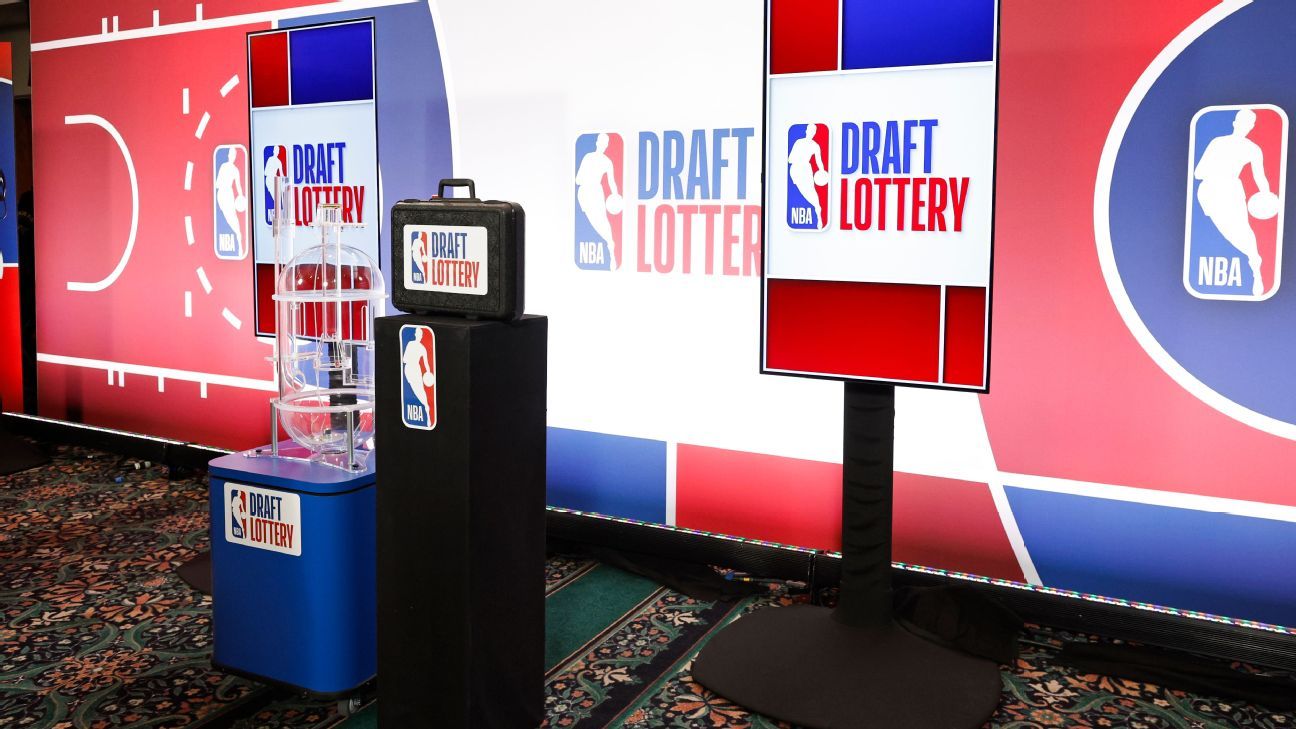
NBA Commissioner Adam Silver is once again at the forefront of a significant league-wide discussion, this time focusing on a critical issue that has long plagued the competitive integrity of the National Basketball Association: tanking. The practice, where teams intentionally field less competitive rosters in hopes of securing higher draft picks, has been a recurring concern for fans and league officials alike. In response, Silver has introduced a new proposal, reportedly called the '3-2-1' plan, designed to overhaul the NBA's draft lottery system and discourage the deliberate pursuit of losses.
What is the '3-2-1' Proposal?
While the exact mechanics of the '3-2-1' plan are still being detailed and debated, the fundamental goal is clear: to disrupt the incentive structure that encourages teams to prioritize draft positioning over immediate success. The current lottery system, which has undergone revisions in recent years, still offers a significant advantage to teams with the worst records. The proposed '3-2-1' system, as hinted by its name, suggests a new distribution of odds that would likely flatten the chances for the bottom-tier teams, making the gap between the worst record and, for example, the eighth-worst record, less impactful in terms of lottery advantage. This is intended to make every regular-season game more meaningful for a broader range of teams, rather than just the few at the very bottom.
Why is this Initiative Trending?
The trending nature of Adam Silver's name is directly tied to the urgency and perceived inevitability of this reform. Recent reports from major sports outlets like ESPN and The New York Times highlight that NBA executives themselves believe lottery reform is on the horizon. This suggests a groundswell of support within the league for addressing the tanking issue head-on. The '3-2-1' proposal is Silver's latest attempt to find a balanced solution that preserves the excitement of the draft while fostering a more consistently competitive regular season across all 30 franchises. The discussion is particularly relevant as teams approach the trade deadline and the offseason, where draft picks often become central currency.
The Problem with Tanking: A Deeper Look
Tanking presents a complex dilemma for the NBA. On one hand, the draft is designed to provide a pathway for rebuilding teams to acquire foundational talent, helping to balance the league's competitiveness over the long term. The current system, however, can incentivize a strategy of prolonged mediocrity, where teams deliberately shed veteran talent and field uncompetitive lineups for multiple seasons. This not only frustrates fan bases who pay to see meaningful games but can also distort the competitive landscape, creating a significant divide between a handful of elite teams and those seemingly resigned to the bottom of the standings. Furthermore, it can negatively impact player morale and development when the primary objective is not winning.
"We believe that the current system, while it has its merits, has created incentives that we want to adjust. We are looking at various models, and the '3-2-1' is one concept being discussed to ensure that the reward for the worst records is less pronounced, thereby encouraging more teams to compete throughout the entire season."
— A hypothetical sentiment reflecting the league's rationale.
Background Context: Previous Lottery Reforms
This is not the first time the NBA has attempted to curb tanking. In 2019, the league significantly altered the draft lottery odds. Prior to that change, the three teams with the worst records each had an equal 14% chance of securing the top pick. The revised system increased the odds for teams finishing with the fourth-worst record and beyond, slightly decreasing the advantages for the absolute worst teams. However, many observers and league insiders feel these changes did not go far enough to eliminate the perceived benefits of tanking, leading to the current push for more drastic measures like the '3-2-1' proposal.
Impact on Teams and Business
The implications of lottery reform extend beyond just the draft order. For teams like the Boston Celtics, who have historically managed to stay competitive while still leveraging the draft effectively, changes to the system could alter their long-term strategic planning. Teams might need to recalibrate their approaches to player development, free agency, and trade negotiations. The ability to acquire top-tier talent through the draft is a crucial component of building a championship contender. If the incentives for losing are reduced, teams might be more inclined to invest in their current rosters, potentially leading to a more dynamic and unpredictable regular season. This could, in turn, boost fan engagement and viewership.
What to Expect Next
The discussion around Adam Silver's '3-2-1' proposal is ongoing. The league will likely continue to gather feedback from team owners, players, and other stakeholders. The transition to a new lottery system requires careful consideration to ensure it achieves its intended goals without introducing unforeseen negative consequences. It is plausible that further adjustments or alternative proposals could emerge before any final decision is made. However, the prevailing sentiment, as reported, is that significant reform is increasingly likely, suggesting that the era of perceived widespread tanking in the NBA might be drawing to a close.
Key Takeaways:
- Adam Silver is trending due to his proposed '3-2-1' anti-tanking initiative.
- The proposal aims to reform the NBA draft lottery system and disincentivize teams from losing games intentionally.
- Many NBA executives view lottery reform as inevitable.
- Previous lottery adjustments have not fully curbed the practice of tanking.
- The '3-2-1' plan could significantly impact team strategies regarding player acquisition and roster management.
Related News
Frequently Asked Questions
Why is Adam Silver trending?
Adam Silver is trending because NBA Commissioner is pushing a new proposal called the '3-2-1' plan. This initiative aims to change the NBA's draft lottery system to discourage teams from intentionally losing games, a practice known as 'tanking'.
What is the NBA's '3-2-1' anti-tanking proposal?
The '3-2-1' proposal is Adam Silver's concept for reforming the NBA draft lottery. While details are still emerging, it is designed to reduce the incentive for teams with the worst records to lose games by adjusting the odds of securing top draft picks, making the reward for being the absolute worst team less significant.
Why is the NBA considering lottery reform now?
Many NBA executives believe lottery reform is inevitable. The practice of 'tanking' has been a long-standing issue, and there's a growing consensus that the current system, despite past adjustments, still encourages teams to prioritize draft position over competitive play throughout the regular season.
How could this reform impact NBA teams?
If implemented, the '3-2-1' plan could force teams to rethink their long-term strategies. It might lead to more competitive regular seasons as fewer teams would have a strong incentive to lose. This could also affect how teams approach trades, player development, and free agency.