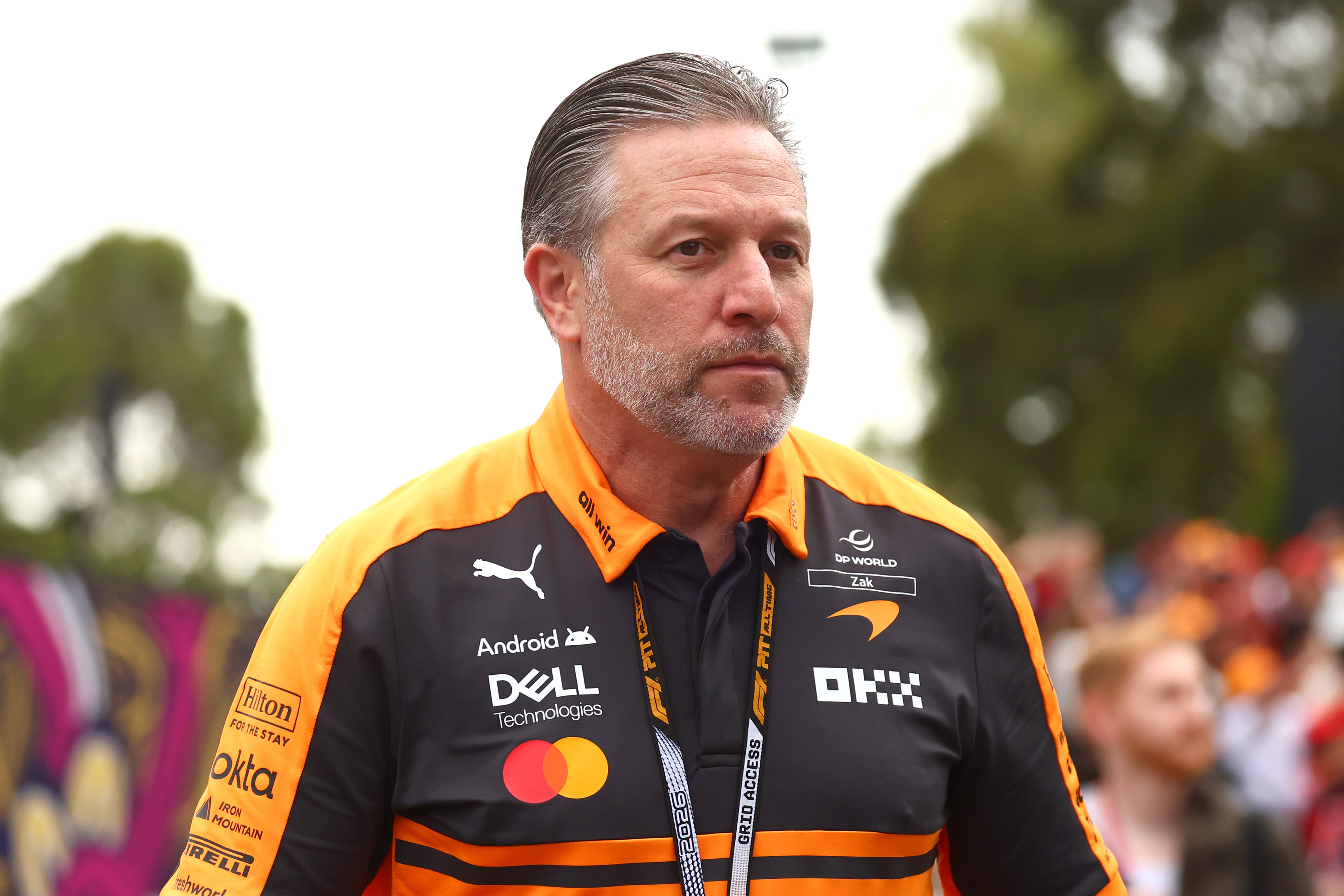
Zak Brown and the Drive for F1 Regulatory Integrity
Zak Brown, the widely recognized CEO of McLaren Racing, has recently found himself at the center of discussions within the Formula 1 community, driving significant search interest. His trending status is largely attributed to his vocal and unwavering position on the need for stricter enforcement of the sport's financial regulations, particularly following revelations and penalties concerning Red Bull Racing's past breaches of the budget cap.
What Happened?
The core of the current trending topic revolves around Zak Brown's public campaign for enhanced scrutiny and accountability regarding Formula 1's financial regulations. Specifically, following the FIA's confirmation that Red Bull Racing exceeded the 2021 cost cap, Brown has been a leading figure in advocating for more substantial penalties and a more transparent regulatory framework. He has publicly expressed that the penalties imposed were insufficient and has continued to push the FIA for more stringent measures to prevent future violations. This includes calls for greater clarity in the regulations and more effective auditing processes to ensure a level playing field.
Brown's stance is not new; he has consistently voiced concerns about potential financial doping and its impact on the sport's competitiveness. However, the recent developments with Red Bull have amplified his message, making him a focal point for debates on F1 governance and fairness. He has been quoted in various media outlets, doubling down on his demands after the Red Bull complaint, emphasizing that the integrity of the sport is at stake.
Why It Matters
The significance of Zak Brown's current visibility lies in the fundamental principles of fair competition that underpin Formula 1. The introduction of the budget cap was a landmark decision aimed at leveling the playing field, preventing teams with vastly different financial resources from dominating the sport indefinitely. When a team is found to have breached these regulations, especially in a way that could be perceived as gaining a competitive advantage, it raises serious questions about the effectiveness of the governance and the fairness of past results.
Brown's persistent advocacy highlights a critical juncture for Formula 1. The sport's long-term appeal relies heavily on the perception of equitable competition. If teams feel that financial rules can be bent or broken without sufficiently severe consequences, it could erode trust and deter investment from other competitors.
Furthermore, Brown's push for greater transparency is crucial. Teams need to understand exactly how the financial regulations are interpreted and enforced. A lack of clarity can lead to disputes and accusations, as seen in recent exchanges, and can create an environment of suspicion rather than collaboration towards the sport's growth. The actions and statements from figures like Brown are essential in shaping the future direction of F1's regulatory landscape, potentially leading to more robust systems that safeguard the sport's competitive spirit.
Background Context
Formula 1 introduced a cost cap for the 2021 season, a significant shift designed to curb spending and promote closer racing. The initial cap was set at $145 million, with provisions for adjustments. The FIA's financial regulations department monitors team spending throughout the season, conducting audits to ensure compliance. In 2022, it was confirmed that Red Bull Racing had breached the 2021 cost cap, falling into a 'minor' breach category. They were subsequently fined and given a reprimand, but not docked championship points.
This outcome sparked considerable debate. Critics, including Zak Brown, argued that a fine was insufficient punishment for a breach that potentially provided performance advantages. They pointed to the complexity of F1 development, where even small amounts of overspending could translate into significant performance gains. The related news also mentions potential openness from Red Bull, through figures like Mekies, to consider tougher rules on team independence, suggesting a broader conversation about F1's regulatory future is indeed underway.
What to Expect Next
Zak Brown is likely to continue his role as a vocal advocate for stringent financial regulations and transparency within Formula 1. We can expect him to remain a prominent voice in post-race debriefs, press conferences, and official communications with the FIA. His focus will likely remain on ensuring that any future breaches are met with penalties that genuinely deter such actions and that the auditing and enforcement processes are demonstrably robust and transparent.
The ongoing dialogue suggests a potential evolution in F1's financial and sporting regulations. The FIA may feel increased pressure to refine its auditing procedures and penalty structures. Teams will likely continue to scrutinize each other's compliance, leading to a dynamic environment where regulatory matters remain a key storyline. The discussions also touch upon the broader theme of team independence, hinting at potential rule changes that address related concerns within the sport. Ultimately, the efforts of figures like Brown could lead to a more stable and equitable future for Formula 1, where financial regulations play a more definitive role in shaping the competitive landscape.
- Key Trend: Increased focus on F1 cost cap enforcement and transparency.
- Key Figure: Zak Brown, CEO of McLaren Racing, leading the charge.
- Core Issue: Perceived inadequacy of penalties for past cost cap breaches.
- Broader Implications: Impact on competitive balance, sport's integrity, and future regulations.