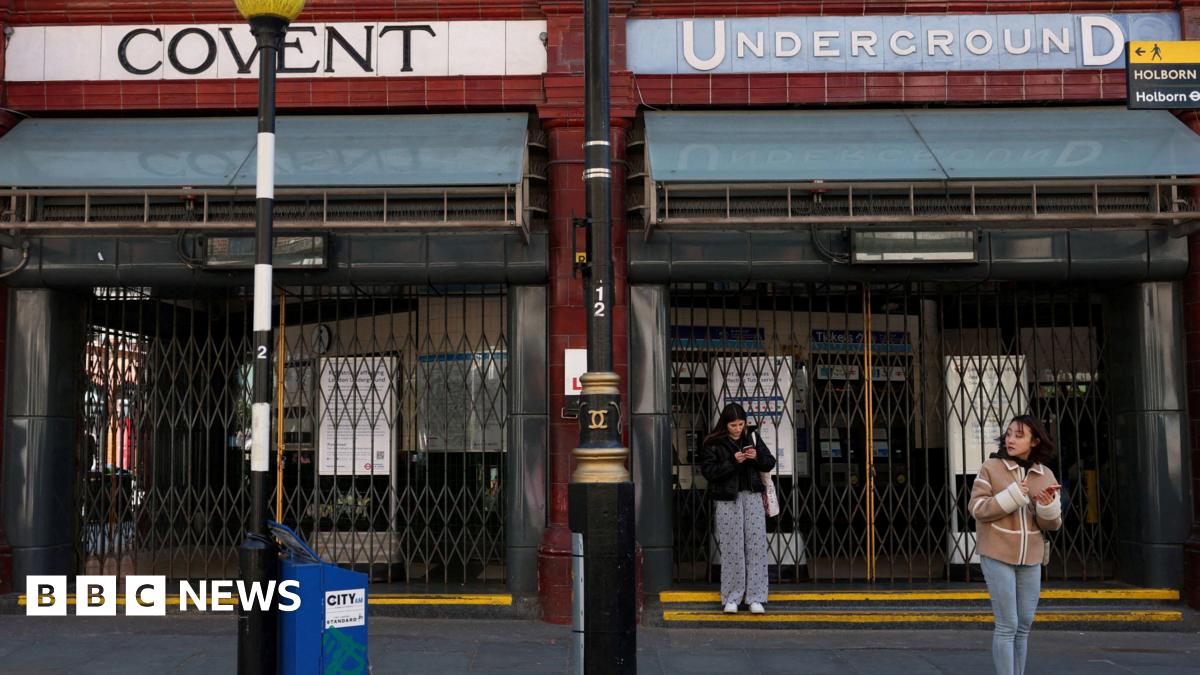
Tube Strikes
Politics10000+ searches
Quick Answer
Tube strikes are trending as RMT union members plan walkouts on Tuesday and Thursday. Last-ditch talks are underway to avert the disruption, which could severely impact London commuters.
Why Is This Trending?
London's transport network faces significant disruption as the RMT union has confirmed that Tube strikes will go ahead on Tuesday and Thursday, with further action possible if negotiations fail. The planned industrial action is set to severely affect millions of commuters and visitors across the capital. These strikes are a result of ongoing disputes between the union and Transport for London (TfL) over pay, conditions, and potential job losses, with last-ditch efforts being made to find a resolution before the walkouts begin.
London Tube Strikes Loom as Talks Continue
London's iconic Underground system is on the brink of significant disruption, with the Rail, Maritime and Transport (RMT) union confirming that Tube strikes are set to go ahead on Tuesday and Thursday. The industrial action, if not averted by last-minute negotiations, is expected to cause widespread travel chaos for millions of commuters and visitors across the capital. The RMT has indicated that further action could follow if a resolution to the ongoing disputes is not reached.
What Happened?
The RMT union has announced plans for strikes on specific dates, citing unresolved issues with Transport for London (TfL). These strikes are intended to put pressure on TfL to meet the union's demands regarding pay, working conditions, and job security. The union has expressed frustration with the lack of progress in recent talks, leading to the decision to proceed with industrial action.
Why Does This Matter?
Tube strikes have a profound impact on London's economy and daily life. The Underground is the primary mode of transport for millions of people each day, and its disruption leads to:
- Massive commuter delays and overcrowding on alternative transport methods.
- Increased travel times and costs for those forced to find other ways to commute.
- Potential economic losses for businesses due to reduced footfall and employee absenteeism.
- Significant inconvenience for tourists and visitors relying on the Tube network.
The ripple effect of a Tube strike can be felt across the city, impacting everything from people getting to work and school to the smooth operation of the city's commercial heart.
Background Context
Disputes between transport unions and TfL are not uncommon, often revolving around pay reviews, pension reforms, and staffing levels. The RMT, representing a significant portion of Tube workers, has historically been proactive in defending its members' interests through industrial action when negotiations falter. Recent years have seen TfL facing significant financial challenges, which have often led to proposed cost-saving measures that unions argue negatively impact their members' welfare and job security. These current strikes are likely a continuation of these long-standing tensions, exacerbated by specific recent proposals or a perceived lack of meaningful engagement from TfL management.
What to Expect Next
The immediate focus is on the outcome of the last-ditch talks. If these negotiations fail to yield an agreement, commuters should brace for severe disruption on the planned strike days. TfL will undoubtedly issue advice on alternative travel routes and services that may still be running, but significant delays and overcrowding are almost guaranteed. The RMT has also hinted at the possibility of further industrial action, meaning this dispute could extend beyond the currently announced dates, creating prolonged uncertainty for Londoners.
"We are urging TfL to come to a sensible agreement that protects our members and ensures the continued safe running of the Tube network. Our members deserve fair treatment and a secure future." - RMT Union Representative (Implied)
Commuters are advised to check TfL's official channels for the latest updates on services and travel advice as the situation develops. The effectiveness of the strikes will depend on the level of participation by RMT members and TfL's contingency plans.
Related News
Frequently Asked Questions
Why are there Tube strikes?
Tube strikes are happening because the RMT union is in dispute with Transport for London (TfL) over pay, working conditions, and job security. The union has confirmed planned walkouts after last-ditch talks failed to reach an agreement.
When are the Tube strikes taking place?
The RMT union has announced Tube strikes are scheduled for Tuesday and Thursday. Specific dates and times should be confirmed by TfL and the RMT.
Which lines will be affected by the Tube strikes?
While specific line closures will depend on the strike's turnout, typically Tube strikes affect all or most London Underground lines. Commuters should expect severe disruption across the network.
What are the RMT union's demands?
The RMT's demands generally focus on fair pay, maintaining and improving working conditions, and ensuring job security for their members. Specific details of the current dispute are subject to ongoing negotiations.