US Announces Significant Troop Increase in Poland
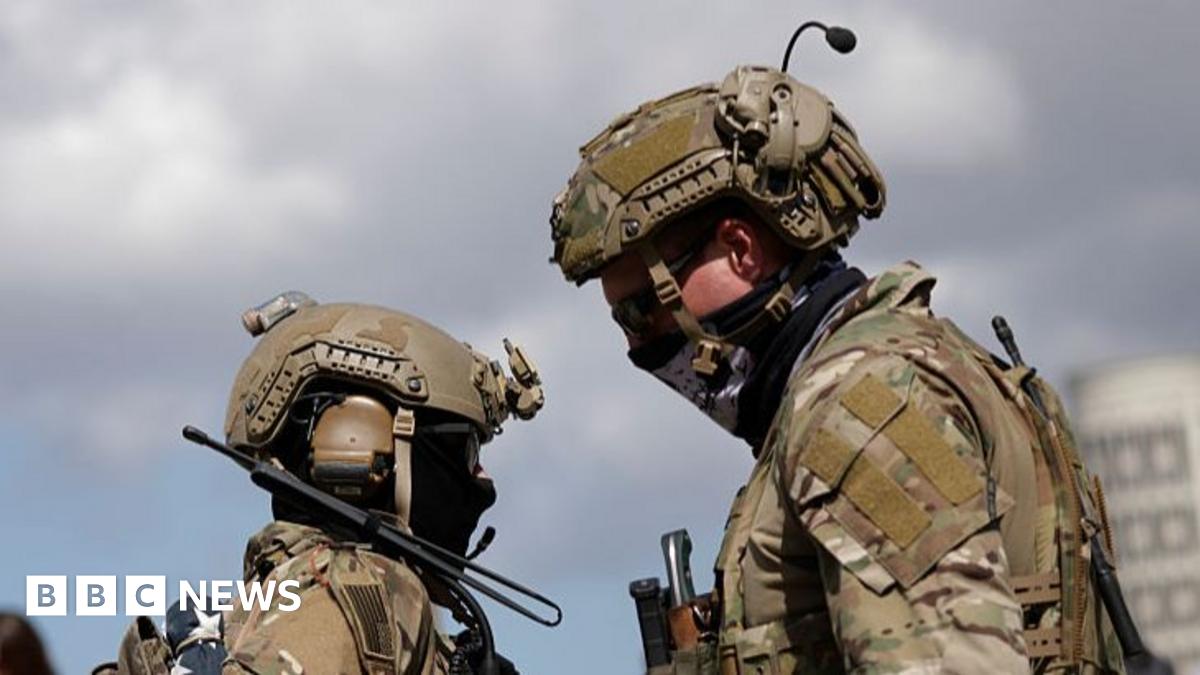
The United States is preparing to send an additional 5,000 troops to Poland, a development that has garnered significant attention and has been met with support from NATO allies. This decision, reportedly stemming from President Donald Trump's direction, marks a substantial reinforcement of American military presence in Eastern Europe. The deployment is seen as a critical step in enhancing the security posture of NATO's eastern flank and demonstrating solidarity with member states facing complex regional dynamics.
What Happened?
Reports indicate that President Trump has authorized the deployment of approximately 5,000 U.S. service members to Poland. While specific operational details and timelines are yet to be fully disclosed, the announcement itself signifies a major shift in U.S. troop positioning within the NATO alliance. The move follows discussions and strategic assessments concerning the security environment in Eastern Europe. Notably, this decision has been positively received by NATO officials, who view it as a concrete contribution to the alliance's collective defense capabilities.
Why It Matters: Regional Security and NATO Solidarity
The deployment of additional U.S. troops to Poland is more than just a numbers game; it carries significant geopolitical weight. Poland, as a key NATO member bordering Russia and Belarus, plays a crucial strategic role. The presence of U.S. forces serves as a deterrent against potential aggression and reassures allies of America's commitment to mutual defense under Article 5 of the North Atlantic Treaty. This reinforcement is particularly timely given the volatile security landscape in the region. NATO Secretary General Jens Stoltenberg welcomed the U.S. pledge, emphasizing that such contributions are vital for strengthening the alliance's deterrence and defense posture. It underscores the principle of shared security burdens within NATO, demonstrating that member states can rely on mutual support in times of need.
Background Context: NATO's Eastern Flank
Poland and the Baltic states have long expressed concerns about security, particularly following Russia's actions in Ukraine. In response, NATO has previously increased its rotational presence in the region through initiatives like the Enhanced Forward Presence. The deployment of 5,000 U.S. troops represents a significant escalation of this commitment. Historically, U.S. military presence in Europe has fluctuated based on geopolitical priorities and successive administrations' defense strategies. However, this particular deployment signals a strong emphasis on maintaining and reinforcing a robust military presence in Eastern Europe, a region viewed as strategically vital for European security.
"This is a strong signal of America's commitment to European security and to NATO."
- Analysis of NATO's perspective on the troop deployment
What to Expect Next
The immediate next steps will likely involve the logistical planning and execution of the troop movement. The exact nature of the forces deployed – whether combat units, support elements, or a mix – will provide further clarity on the mission's specifics. The deployment is expected to be integrated into existing NATO command structures and operational plans. Its long-term impact will depend on the evolving geopolitical situation and the continued commitment of U.S. administrations to regional security. This development is likely to remain a key talking point in international relations and defense policy discussions, influencing future military cooperation and strategic planning within the transatlantic alliance.
Key Takeaways:
- U.S. to deploy an additional 5,000 troops to Poland.
- The move aims to bolster NATO's eastern flank security.
- NATO welcomes the U.S. commitment to collective defense.
- The deployment reflects ongoing regional security concerns.