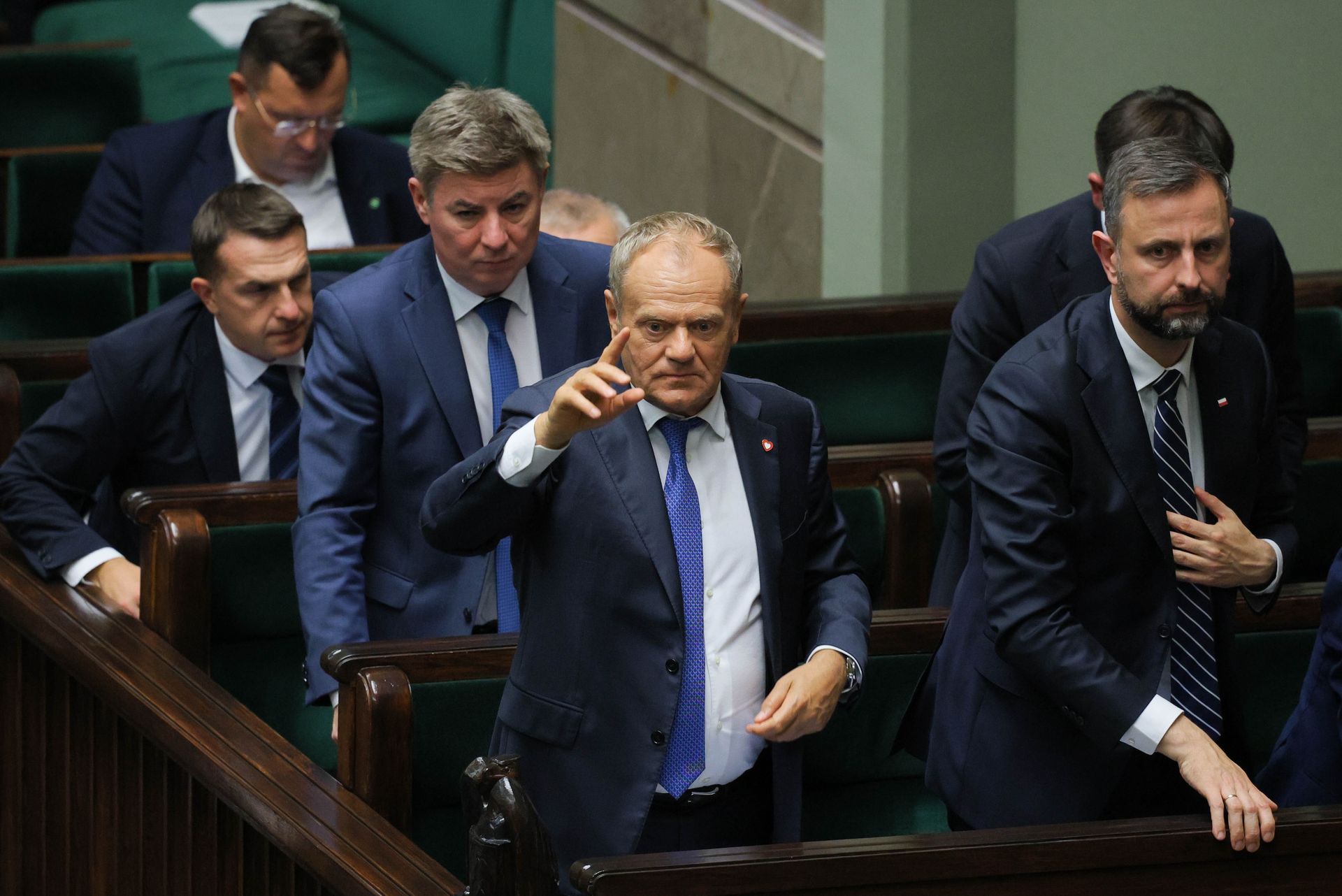
Security Alert: Poland on High Alert Amidst Allegations of Assassination Plots Against Government Officials
Poland's political landscape has been thrown into a state of heightened alert following deeply concerning, though largely unconfirmed, reports of potential assassination plots targeting top government officials. Multiple prominent news outlets have indicated that the country's security services are actively investigating credible threats, with specific mention of potential attacks aimed at the Prime Minister and the Minister of National Defense. The gravity of the situation has prompted swift action and urgent discussions within the highest levels of government.
What Happened? Reports of Targeted Threats Emerge
Recent days have seen a surge in media coverage detailing serious security concerns within Poland. According to unverified but widely disseminated information from sources within Polish media, intelligence agencies have uncovered intelligence suggesting planned assassination attempts against prominent members of the government. The threats are described as specific and credible, prompting an immediate and robust response from national security apparatus. While official confirmation remains limited, the consistent reporting across several major news platforms underscores the perceived seriousness of the intelligence.
The implications of such threats are profound, especially given the current geopolitical climate. The Polish government, a staunch supporter of Ukraine and a significant player in NATO's eastern flank, is a critical voice in regional and international security discussions. Any instability or disruption at the highest levels of its leadership could have far-reaching consequences.
Why This Matters: National Security and Political Stability
The mere possibility of an assassination attempt on a nation's leader or defense minister sends ripples of concern far beyond its borders. For Poland, this situation is particularly sensitive. The country has been a vocal critic of Russian aggression and a crucial hub for military and humanitarian aid to Ukraine. Disrupting its leadership could weaken its strategic position and impact the broader security architecture in Eastern Europe.
The intelligence suggests that the threats are not vague rumors but rather specific plots that have prompted tangible security responses. This has led to:
- Increased vigilance among security services.
- Urgent high-level meetings to assess the situation and coordinate responses.
- Potential adjustments to the security protocols for government officials.
The Polish government's official statements, while cautious to avoid causing undue panic, have confirmed that the threats are being taken "mortally seriously." This suggests a high degree of confidence in the intelligence gathered and a determination to protect national leadership and ensure the continuity of governance.
Background Context: Geopolitical Tensions and Historical Precedents
While the specific origin and perpetrators of these alleged plots remain undisclosed, the context of heightened geopolitical tensions cannot be ignored. Eastern Europe has been a focal point of international security concerns, particularly since Russia's full-scale invasion of Ukraine. Poland, sharing a border with Ukraine and Belarus, and having historically strong anti-Russian sentiments, is often seen as a potential target for destabilization efforts by hostile state or non-state actors.
Historically, political assassinations or attempted assassinations have had devastating impacts on nations, leading to power vacuples, political instability, and even wider conflicts. While Poland has a relatively stable democratic tradition, the potential for such an event underscores the persistent dangers faced by leaders in volatile regions.
The security services have reportedly taken "decisive action" in response to the threats, indicating that this is not a situation being passively monitored but one actively being managed and countered.
What to Expect Next: Investigation and Security Measures
The immediate future will likely see a continuation and intensification of security measures surrounding Polish government officials. The ongoing investigations will aim to identify the individuals or groups responsible for the threats, their motives, and their capabilities. It is probable that further details may emerge as the investigations progress, although a significant degree of information might remain classified for national security reasons.
The public can expect heightened security presence in certain areas and potentially some public messaging from government officials aimed at reassuring the populace while acknowledging the seriousness of the threat. The international community will be closely watching how Poland navigates this challenge, particularly concerning its role in supporting Ukraine and maintaining regional stability.
The situation highlights the persistent and evolving nature of security threats in the modern era. Governments worldwide face the complex task of balancing transparency with the need for secrecy when dealing with potential acts of terror or political violence. Poland's response will be a critical indicator of its resilience and its capacity to safeguard its leadership and democratic institutions in the face of adversity.