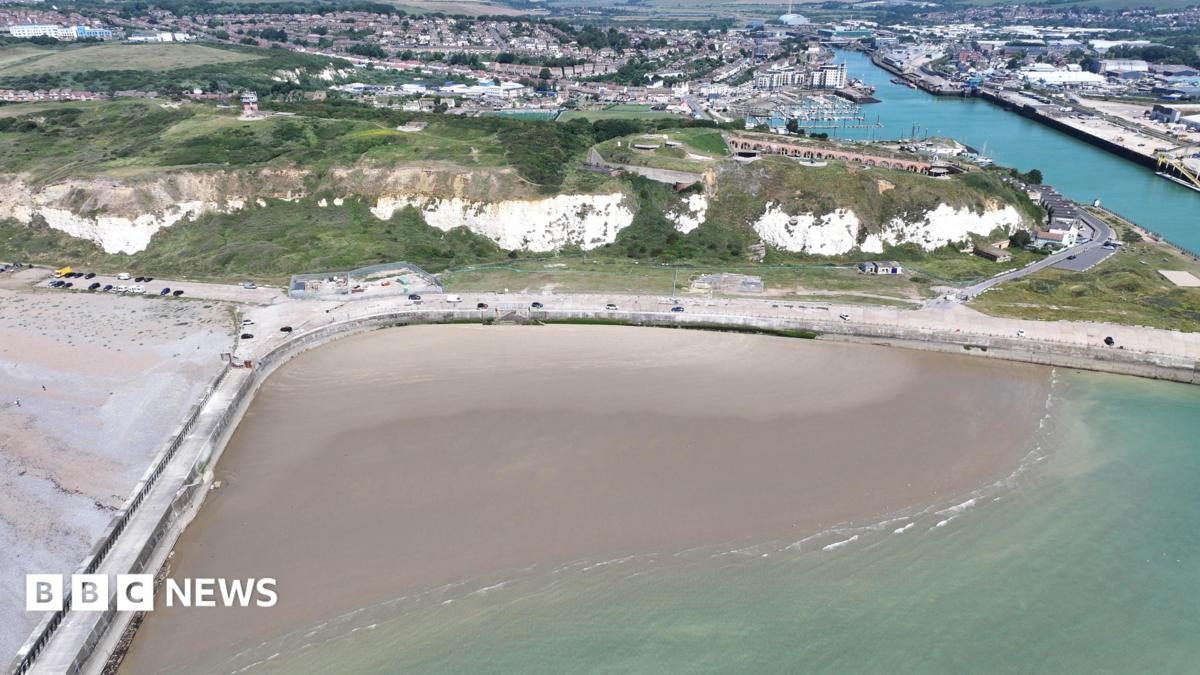
Newhaven Residents Break into French-Owned Beach Amid Access Dispute
A peculiar and increasingly tense situation is unfolding in Newhaven, Sussex, where local residents have reportedly taken drastic measures to access a beach they claim has been unfairly restricted. The incident, which has garnered significant attention from national newspapers including The Sun, involves community members breaking into a beach owned by French entities. This escalating dispute highlights a growing frustration among locals over access to a popular amenity, sparking debate about community rights and private property.
What Happened: A Beach Locked Down
The crux of the issue lies with a beach in Newhaven that is understood to be privately owned, with its ownership reportedly linked to French interests. For reasons that are becoming a focal point of local anger, access to this stretch of coastline has been severely limited, leading to widespread discontent among residents who feel a sense of entitlement to use what they consider a local natural resource. In a move that has captured headlines, a group of fed-up locals decided they had had enough of the restrictions and, according to reports, broke into the beach area.
This act of defiance is not isolated but appears to be a culmination of persistent calls to open the beach to the public. The frustration stems from the perception that a valuable community asset is being kept out of reach, fostering resentment and a feeling of exclusion. The involvement of The Sun newspaper in reporting these events has amplified the story, bringing the local dispute to a national audience and adding pressure to resolve the access issue.
Why It Matters: Community Access and Local Rights
The Newhaven beach dispute raises important questions about the balance between private property rights and the public's right to access natural spaces, particularly coastlines. For communities, beaches often represent more than just sand and sea; they are vital social hubs, recreational areas, and integral parts of local identity. When access to such spaces is perceived as being unfairly curtailed, especially by external or private ownership, it can lead to significant community backlash.
The situation in Newhaven is a stark reminder of how deeply people feel about their connection to local natural environments. When that connection is threatened by restricted access, it can ignite strong feelings of injustice and lead to direct action.
This trending story highlights the power of local communities to voice their grievances, sometimes through dramatic means, when they feel their needs are being ignored. The involvement of national media ensures that these local issues gain wider visibility, potentially influencing discussions about land use, public access, and the responsibilities of property owners.
Background Context: A History of Access Debates
Disputes over beach access are not unique to Newhaven. Throughout the UK and globally, similar tensions have arisen where coastal land is privately owned, leading to conflicts between landowners' rights and public access demands. These debates often involve complex legal frameworks, historical rights of way, and evolving public expectations regarding environmental stewardship and recreational opportunities.
The specific context of a French-owned beach in the UK adds another layer to the narrative, potentially touching upon national sensitivities or perceptions of foreign ownership of local assets. However, the core issue remains one of access. For decades, there has been a push for greater public access to coastal areas, often facing resistance from private landowners who cite concerns about privacy, security, or environmental impact.
The media's role, as exemplified by The Sun's coverage, is crucial in shaping public perception of these disputes. By focusing on the residents' frustration and their actions, the reporting brings a human element to the story, emphasizing the community's perspective and potentially swaying public opinion in favor of increased access.
What to Expect Next: Resolution or Escalation?
The immediate future of the Newhaven beach situation will likely depend on how the relevant authorities and the property owners respond to the increased public scrutiny. Several outcomes are possible:
- Negotiations and Compromise: There could be a push for formal negotiations between the residents, local authorities, and the beach owners to find a mutually agreeable solution that allows for public access while respecting property rights. This might involve establishing designated access times, pathways, or specific areas for public use.
- Legal Challenges: Depending on the legal status of the land and any existing access rights, further legal action could be pursued by either the residents or the owners.
- Continued Public Pressure: The media attention generated by outlets like The Sun could galvanize further public support and sustained campaigning for open access, potentially leading to political intervention.
- Escalation: If no resolution is found, there is a risk of further incidents or a hardening of positions on both sides, potentially leading to more significant confrontation.
The resolution of this dispute will be closely watched, as it could set a precedent for similar situations involving private coastal land and community access rights. The story serves as a compelling example of how local grievances, when amplified by national media, can bring significant issues to the forefront of public discourse.