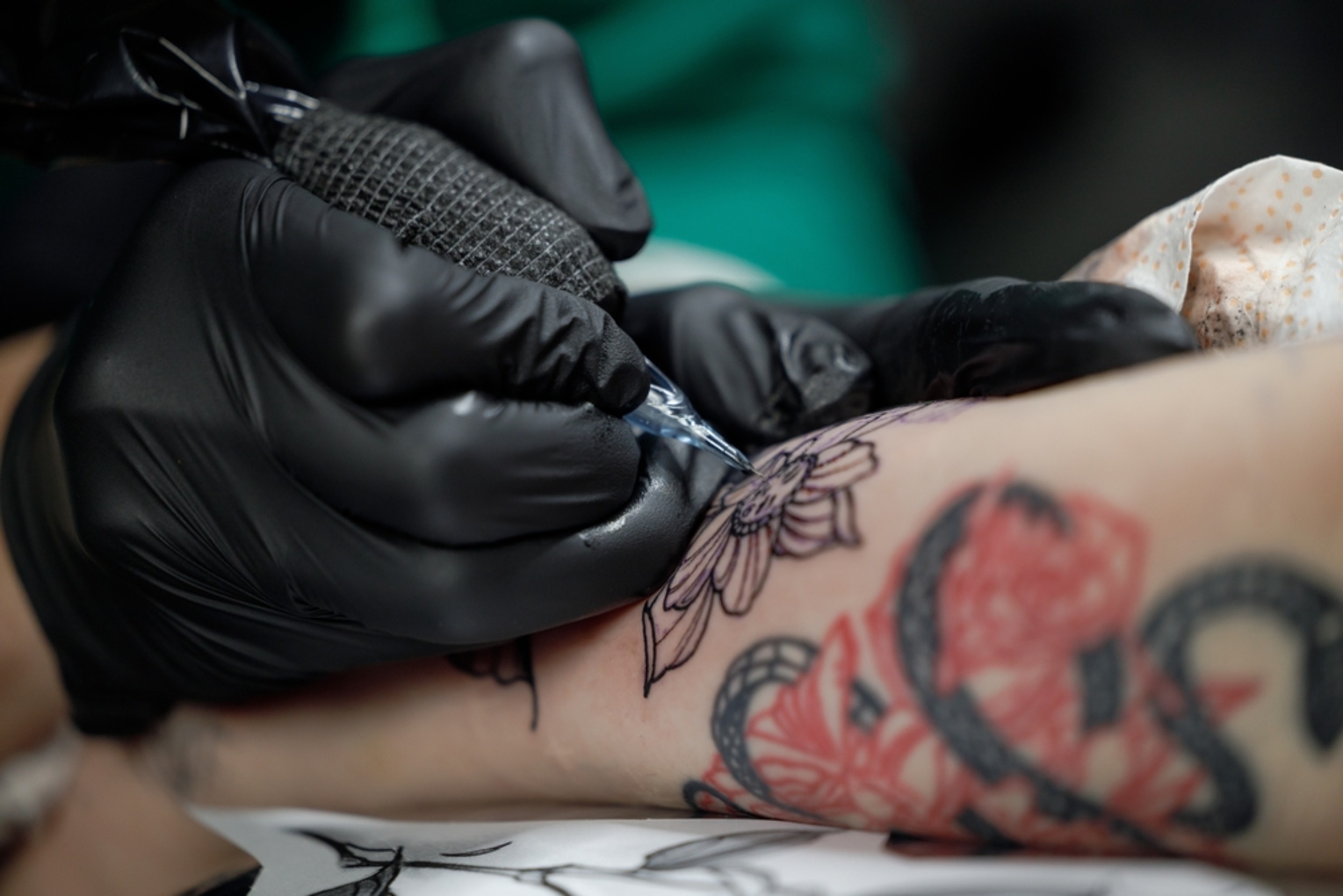
The Science and Social Impact of Tattoos: What's Trending Now
Ink Under the Skin: New Scientific Discoveries
The world of tattoos is undergoing a scientific re-evaluation, with recent research shedding new light on what happens beneath the surface after ink is applied. For decades, tattoos have been perceived as permanent artistic expressions embedded within the skin. However, emerging studies are revealing a more dynamic process, fundamentally altering our understanding of tattoo longevity and permanence.
Tattoo Ink's Journey Through the Body
Contrary to popular belief, evidence suggests that tattoo ink particles do not remain static within the skin's dermis. Instead, scientific investigations, as reported by Earth.com, indicate that these ink particles can break down and migrate. This process involves the body's own defense mechanisms, particularly the immune system. Specialized immune cells, known as macrophages, engulf the ink particles in an attempt to remove them. However, these cells often transport the ink to lymph nodes, leading to the gradual fading and blurring of tattoos over time.
Impact on the Immune System
The long-term effects of tattoo ink on the immune system are also becoming a subject of intense scientific scrutiny, as highlighted by ScienceAlert. While tattoos are generally considered safe, the introduction of foreign particles into the body triggers an immune response. Scientists are now delving deeper into understanding the chronic and subtle ways this response might manifest. This includes investigating potential inflammatory reactions, the long-term accumulation of ink in lymph nodes, and whether these processes could have any implications for overall immune health. The research is still in its early stages, but it promises to offer a more comprehensive picture of the physiological consequences of body art.
Tattoos and Professional Life: A Legal Perspective
The Tattoo as a Career Obstacle
Beyond the scientific realm, tattoos are also making headlines for their impact on professional lives. A striking example comes from India, where the Delhi High Court recently dismissed pleas from two CRPF (Central Reserve Police Force) inspectors. Their contention was that a tattoo on their right forearm should not have barred them from promotion. The court's decision underscores that in certain professional environments, particularly those with strict dress codes and public-facing roles, even seemingly minor personal choices like tattoos can have significant career repercussions.
Understanding Tattoo Policies
This incident highlights the evolving and often strict policies surrounding visible tattoos in uniformed services and other professional sectors. While societal acceptance of tattoos has grown, many organizations maintain rules that prohibit or restrict visible body art to uphold a certain image or maintain discipline. The legal battles, like the one involving the CRPF inspectors, bring these policies into public discourse, questioning their fairness and consistency in the modern era.
Background Context: The Ever-Evolving Tattoo Landscape
A History of Symbolism and Art
Tattoos have a rich and diverse history, spanning cultures and millennia. They have served as symbols of status, rites of passage, spiritual beliefs, and personal identity. From ancient tribal markings to the modern art form we see today, tattoos have consistently been a powerful medium for self-expression.
Technological Advancements and Safety
The art of tattooing has been significantly influenced by technological advancements. Modern tattoo machines allow for greater precision and detail, while advancements in ink technology have introduced a vast spectrum of colors. Simultaneously, increased awareness and regulation have improved safety standards, reducing the risks associated with infections and allergic reactions. However, the long-term biological interactions of these newer inks continue to be a frontier for research.
What to Expect Next
Continued Scientific Exploration
The ongoing scientific research into tattoo ink and its interaction with the human body is expected to continue yielding fascinating insights. As analytical techniques become more sophisticated, we can anticipate a deeper understanding of the immune response, the fate of ink particles over extended periods, and potential long-term health implications, if any. This could influence everything from tattoo removal techniques to the development of new, perhaps even more bio-compatible, inks.
Shifting Societal and Professional Norms
The legal cases and public discussions surrounding tattoos in professional settings suggest a continuing negotiation between personal expression and organizational standards. As tattoos become more mainstream, the debate over their acceptability in various professions will likely persist. We may see a gradual shift in policies in some industries, while others may reinforce existing regulations. The personal stories behind these trends, like that of the CRPF inspectors, will continue to shape the conversation.
The body is a canvas, but also a complex biological system. Understanding both aspects is key to appreciating the art and science of tattoos.
The Future of Tattoo Removal
With a better understanding of how ink is processed, future advancements in tattoo removal technologies may become more targeted and effective. Current methods like laser removal work by breaking down ink particles, but new research could pave the way for techniques that are less invasive or more efficient in dissipating the ink safely.