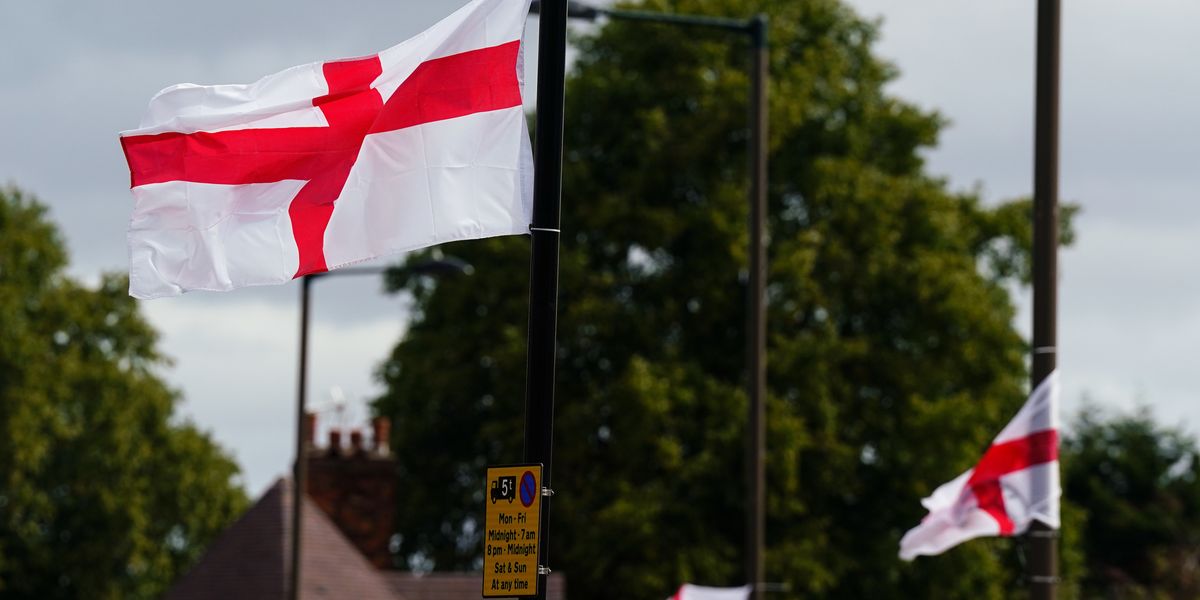
St George's Day Sparks Debate Over Flag Display and Regulations
St George's Day, traditionally celebrated on April 23rd, has found itself at the center of trending discussions, not for its historical or cultural aspects alone, but due to a series of reports concerning the display of the English flag. Recent news coverage has highlighted potential legal ramifications for individuals who do not adhere to specific guidelines when flying the St George's Cross, leading to public confusion and debate.
What Has Happened?
The trending narrative around St George's Day is largely driven by news detailing potential fines and strict regulations associated with displaying the English flag. Several prominent news outlets have reported on the penalties individuals might face, including up to a £2,500 fine for displaying the flag inappropriately at their homes. Furthermore, drivers have been warned of possible £1,000 fines for flying the St George's flag from their cars. The news also includes guidance on the proper disposal of old or tattered flags, suggesting they should be burned or shredded rather than simply thrown away, emphasizing a sense of respect for the national symbol.
Why Does This Matter?
These developments matter because they highlight a potential disconnect between public enthusiasm for national symbols and the legal framework governing their display. Many Britons may be unaware of the specific rules and the potential financial penalties associated with displaying the St George's flag. The focus on fines and regulations turns a day of national pride into one of caution, potentially overshadowing the intended spirit of celebration. It raises questions about public awareness, the enforcement of flag display rules, and the balance between patriotism and compliance.
Background Context
St George is the patron saint of England, and his day, April 23rd, is marked by various celebrations, including the flying of the national flag. Historically, the St George's Cross has been a potent symbol of English identity and pride. However, like many national symbols, its public display can be subject to regulations, particularly concerning commercial use, advertising, or certain public spaces. While typically, the display of a national flag at a private residence is a matter of personal choice, the recent news suggests an increased focus on, or perhaps misinterpretation of, existing legislation or guidelines. The context of national identity and public expression often intersects with legal frameworks, and St George's Day has become a focal point for this intersection.
Understanding the Regulations
The news reports suggest that the fines are likely related to the Civil Aviation Authority (CAA) rules for flags on vehicles (which can be seen as an 'oversize load' or 'unsecured load' in certain circumstances) and potentially local council bylaws or advertisement regulations that might be misapplied to private flag displays. The guidance on disposing of flags likely stems from a tradition of treating worn national flags with respect, often involving ceremonial burning or shredding to prevent them from falling into disrespectful hands.
The public's right to display national symbols is often balanced against regulations aimed at public order and safety. Understanding these nuances is key to avoiding potential penalties.
What to Expect Next
Following this surge in news coverage, it is expected that there will be further clarification from official bodies regarding flag display regulations. Public awareness campaigns or more detailed guidance may be issued to help citizens understand what is permissible. It is also possible that the discussions will lead to a review of existing regulations or their enforcement. For individuals, the immediate expectation is to exercise caution and seek clarity on local guidelines if they plan to display the St George's flag prominently, especially on vehicles. The conversation will likely continue around the balance between national pride, symbolic expression, and legal adherence.
Navigating National Symbolism and Public Sentiment
The trending topic around St George's Day serves as a reminder of how national symbols can evoke strong emotions and also become entangled with practical, and sometimes legal, considerations. While the spirit of the day is about celebrating English heritage, the recent focus on potential fines and disposal etiquette has shifted the conversation towards compliance and awareness of regulations. This underscores the importance for citizens to stay informed about guidelines related to public displays of national symbols, ensuring that expressions of patriotism are both heartfelt and lawful.