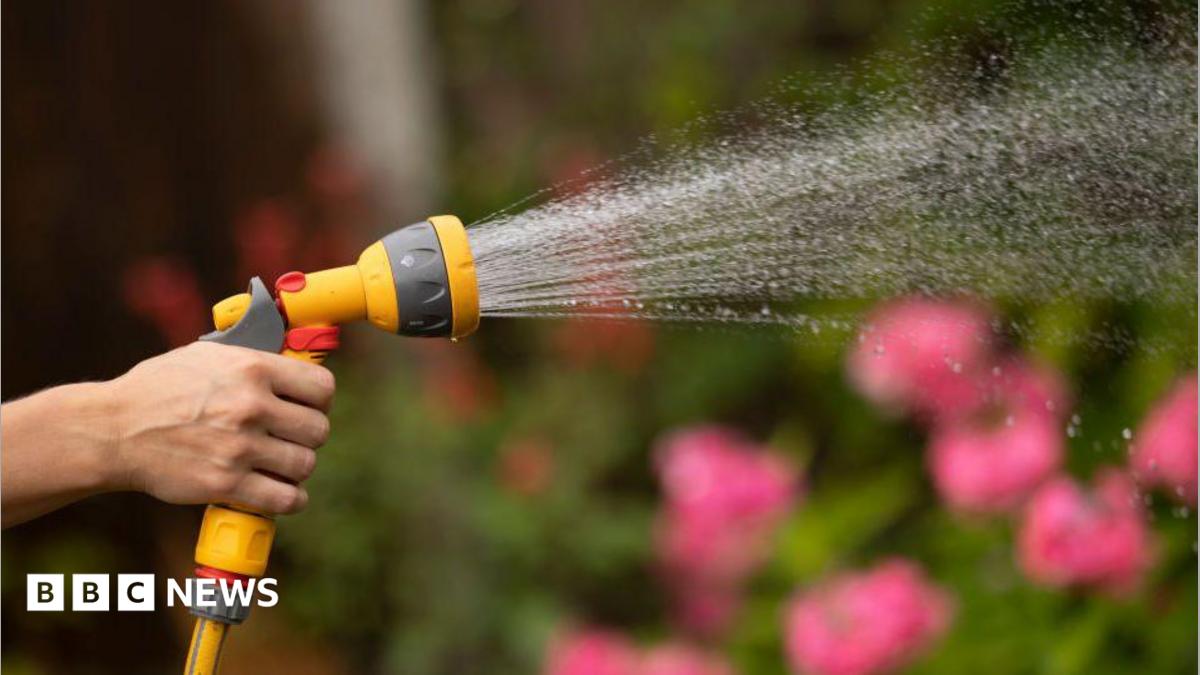
South East Water Implements Hosepipe Ban Amidst Dry Spell
South East Water has announced a new hosepipe ban for customers in Sussex, Surrey, Hampshire, and Berkshire. This significant measure comes into effect to manage water resources effectively during a period of increased demand and concerns over dry conditions. The restrictions are designed to curb non-essential water use, particularly for garden watering and vehicle cleaning, to help preserve water levels in reservoirs and underground sources.
What Has Happened?
The announcement by South East Water signals the implementation of a Temporary Use Ban (TUB), commonly known as a hosepipe ban. This ban restricts the use of hosepipes for watering gardens, cleaning private vehicles, or filling ornamental ponds and swimming pools. The company has stated that these actions are necessary to ensure water supplies can meet demand and to protect the environment from the effects of drought conditions. The ban affects a substantial number of households within the company's operational area.
Why Does This Matter?
Hosepipe bans are a clear indicator of the strain on water resources, particularly in regions experiencing prolonged dry weather. For millions of households, this means a significant change in how they manage their gardens and outdoor spaces. It underscores the growing challenges posed by climate change, which can lead to more frequent and severe droughts, impacting both domestic supply and natural ecosystems. The restrictions also highlight the interconnectedness of water usage and environmental health, as lower water levels can affect wildlife and plant life.
The implementation of a hosepipe ban is a serious step, reflecting the current environmental pressures and the need for collective action to conserve water.
Background Context: Water Supply Challenges
Water companies across the UK, especially in the South East, have long faced challenges related to water scarcity. Factors contributing to this include:
- Increasing Population: More people mean higher demand for water.
- Climate Change: Changing weather patterns lead to hotter, drier summers and less predictable rainfall.
- Aging Infrastructure: Leaks in the pipe network can result in significant water loss.
- Environmental Needs: Water abstraction must balance human needs with the requirements of rivers and wildlife.
Previous years have also seen similar restrictions implemented by various water providers, indicating a recurring issue rather than an isolated incident. The current ban by South East Water is part of a wider pattern of responses to dry conditions experienced across the country.
Exemptions and Controversies
While the ban is broad, there are specific exemptions. These typically include using a hosepipe for essential health and safety reasons, such as disinfecting footpaths or watering areas for specific plants or animals. The Independent reports on various ways Britons can legally ignore restrictions, which often revolve around these official exemptions.
However, the enforcement and perception of these bans can lead to social friction. The Daily Express highlights instances of neighbourly disputes arising from the ban, with some locals reportedly demanding proof of exemption from others. This points to the difficulties in ensuring compliance and the potential for tension within communities when such measures are in place.
What to Expect Next
The duration of the hosepipe ban is typically dependent on rainfall and the recovery of water resources. South East Water will likely provide updates on the status of the ban as conditions change. Customers are urged to adhere to the restrictions to avoid potential penalties and to contribute to the collective effort of water conservation.
In the longer term, water companies are investing in infrastructure improvements, such as reducing leaks and exploring new water sources, including water recycling and desalination. However, behavioural change and efficient water use by consumers remain critical components in managing water scarcity. Residents are encouraged to adopt water-saving habits even outside of official bans, such as taking shorter showers, using water-efficient appliances, and collecting rainwater for garden use.
The current situation serves as a reminder of the importance of water as a finite resource and the need for sustainable management practices in the face of environmental challenges.