Smoking
Health100+ searches
Quick Answer
Recent studies are exploring the genetic factors behind why some smokers develop cancer while others do not. This research investigates the role of DNA damage from smoking and UV rays in cancer evolution.
Why Is This Trending?
The topic of smoking is trending today due to significant advancements in understanding the complex relationship between genetics and cancer development in smokers. New research published in journals like Nature and highlighted by institutions such as the University of Cambridge is shedding light on why the same carcinogens present in cigarettes can lead to cancer in some individuals but not others. This scientific exploration into the genetic background that sets the trajectory of cancer evolution is capturing attention, as it offers crucial clues into personalized cancer prevention and treatment strategies.
Smoking and Cancer: Unraveling the Genetic Lottery
The age-old advice to avoid smoking for cancer prevention is well-established. However, a persistent question has intrigued scientists and the public alike: why do some individuals who smoke develop cancer, while others who smoke heavily seem to escape the disease? Recent groundbreaking research is beginning to provide answers, pointing to a complex interplay between genetics, DNA damage, and the body's evolutionary response to carcinogens.
What Happened? The Latest Scientific Discoveries
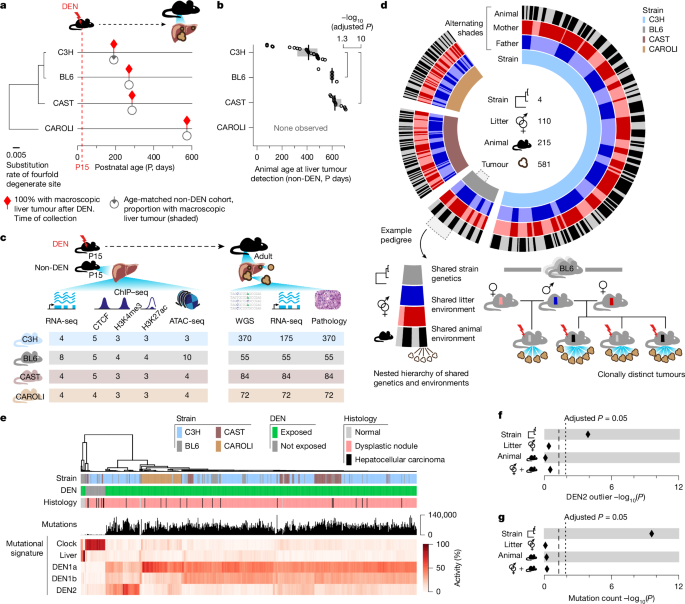
Recent studies, including a notable publication in the journal Nature, are delving deep into the genetic underpinnings of cancer in smokers. Researchers at institutions like the University of Cambridge have revealed that an individual's genetic background plays a critical role in determining their susceptibility to developing cancer from smoking. The research investigates how DNA damage, caused not only by smoking but also by environmental factors like UV rays, can trigger cancer in some people but not others.
These studies are moving beyond simply identifying carcinogens in tobacco smoke. Instead, they are examining the intricate mechanisms by which DNA damage accumulates and how the body's cellular machinery attempts to repair this damage. The research suggests that variations in these repair processes, dictated by an individual's genetic makeup, can influence whether precancerous mutations are effectively corrected or if they persist and evolve into full-blown cancer.
Why This Matters: Personalized Risk and Prevention
The implications of this research are profound. For decades, public health campaigns have focused on the universal risk associated with smoking. While this message remains vital, these new findings suggest that the risk is not uniform across all smokers. Understanding the genetic predispositions can lead to more personalized risk assessments and targeted prevention strategies.
"The study reveals why DNA damage from smoking and UV rays may cause cancer in some people but not others." - University of Cambridge
This means that individuals might one day be able to understand their specific genetic susceptibility to smoking-related cancers. Such knowledge could empower them with more tailored advice regarding smoking cessation, screening schedules, and lifestyle modifications. Furthermore, it could pave the way for novel therapeutic approaches that specifically target the genetic vulnerabilities of cancer cells in different individuals.
Background Context: Smoking and Cancer Link
The link between smoking and cancer has been scientifically recognized for over half a century. Tobacco smoke contains thousands of chemicals, many of which are known carcinogens. These toxins damage DNA, leading to mutations that can cause cells to grow uncontrollably. Major cancer types linked to smoking include lung, mouth, throat, esophagus, bladder, kidney, pancreas, and cervix cancer.
Historically, research has focused on identifying the specific carcinogens in tobacco and documenting the statistical increase in cancer risk among smokers. While these efforts have been instrumental in public health messaging and policy, they often operated under a general model of risk. The current research builds upon this foundation by adding a crucial layer of individual variability, explaining the observed differences in outcomes among people exposed to similar levels of risk.
What to Expect Next: Future Directions
The future of this research area holds significant promise. Scientists are expected to continue identifying specific genes and genetic pathways that influence cancer susceptibility in smokers. This could lead to the development of genetic tests that help predict an individual's risk.
Furthermore, this deeper understanding of genetic factors might enable the development of precision medicine approaches for cancer treatment. Instead of a one-size-fits-all treatment plan, therapies could be tailored to the specific genetic profile of a patient's cancer, potentially improving efficacy and reducing side effects.
Public health strategies may also evolve. While discouraging smoking remains paramount, future campaigns might incorporate personalized risk information derived from genetic insights. The ultimate goal is to reduce the burden of smoking-related cancers by not only preventing initiation and encouraging cessation but also by better understanding and managing the individual risks within the smoking population.
Related News
Frequently Asked Questions
Why is smoking trending in scientific news?
Smoking is trending because new scientific research is exploring the genetic reasons behind why some smokers develop cancer while others do not. This involves understanding how individual genetic backgrounds influence the body's response to DNA damage from smoking.
What did the new studies on smoking reveal?
Recent studies reveal that a person's genetic makeup plays a significant role in determining their susceptibility to cancer from smoking. They are investigating how variations in DNA repair mechanisms, influenced by genetics, dictate whether damage from smoking leads to cancer.
How do genetics affect cancer risk in smokers?
Genetics influence cancer risk in smokers by determining the efficiency of DNA repair processes. If an individual's genes provide less effective DNA repair, accumulated damage from smoking carcinogens is more likely to lead to mutations that cause cancer.
What is the significance of understanding genetic factors in smoking-related cancer?
Understanding these genetic factors is significant because it paves the way for personalized cancer risk assessment and prevention strategies. It could also lead to more tailored treatments based on an individual's genetic profile.