School
General1000+ searches
Quick Answer
Schools are trending as some are adopting flexible approaches, including starting late, to accommodate parents and students following late-night England football matches. This move aims to reduce pressure and allow for better rest.
Why Is This Trending?
The topic of 'school' is currently trending due to recent decisions by several educational institutions to alter their schedules following significant, late-night sporting events. Specifically, news reports highlight schools adopting a 'flexible approach' and in some cases, delaying their start times until after 1:00 AM kick-offs for England's football matches. This proactive measure is intended to alleviate pressure on parents and provide students with adequate rest, acknowledging the potential impact of late-night viewing on academic readiness.
Schools Adapt Schedules for Major Sporting Events
The familiar rhythm of the school day is being re-evaluated in response to major national sporting events, with recent reports indicating a growing trend of schools adopting flexible approaches. This shift is most notably seen in response to late-night England football matches, where some educational institutions are delaying their start times to accommodate students and parents impacted by the viewing schedules.
What Happened?
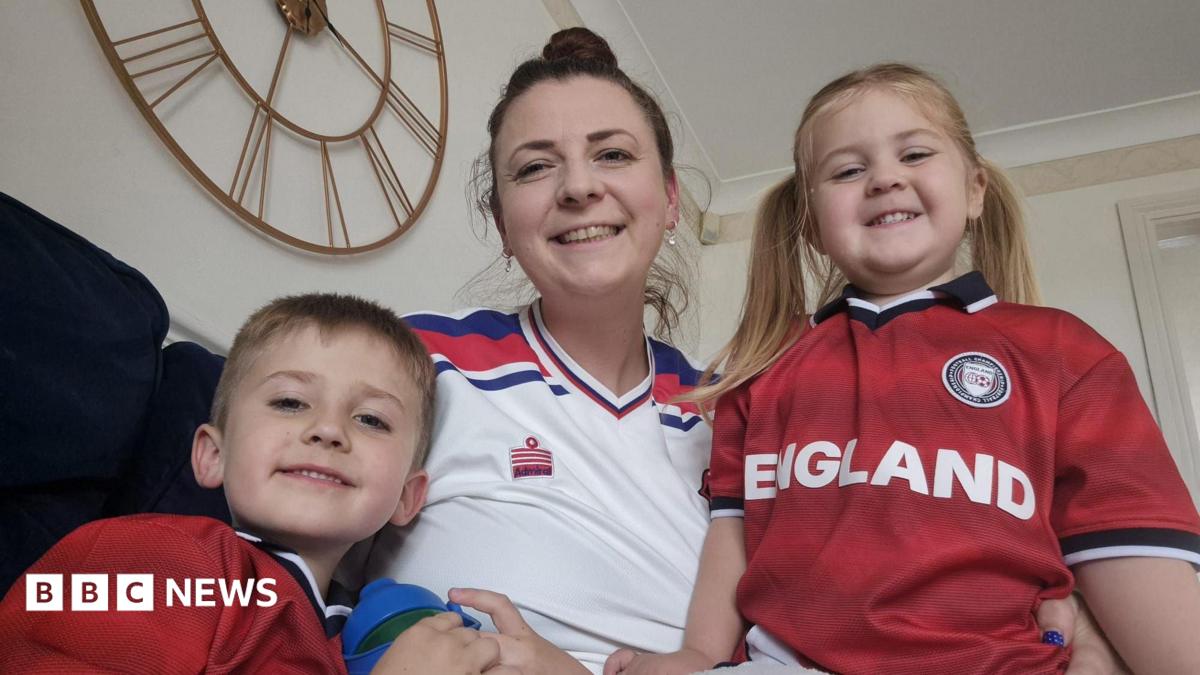
Recent news has brought to light a series of adjustments being made by schools, particularly in England, to manage the impact of significant sporting fixtures. Following a 1:00 AM kick-off for an England game against Mexico, several schools announced they would be starting their day later than usual. This decision was explicitly made to 'reduce pressure' on parents and ensure students were not overly fatigued after a late night of watching the match.
The Guardian reported on how figures like Keir Starmer vetoed calls for students to 'bunk off' school, suggesting that while direct absence might be discouraged, a more lenient approach to the school day's commencement was being considered. BBC News also covered the trend, noting that schools were adopting a 'flexible approach' to the situation, signaling a broader willingness to adapt to circumstances that affect student well-being and attendance.
Why Does It Matter?
This trend highlights a significant shift in how educational institutions are balancing academic responsibilities with the broader social and cultural events that engage their communities. The decision to delay school start times is not merely about accommodating a football match; it's about acknowledging the interconnectedness of students' lives and the potential impact of external events on their learning environment. By proactively addressing potential fatigue and parental stress, schools are demonstrating a commitment to student welfare that extends beyond the traditional classroom.
“We understand that many families will be eager to support the England team, and we want to do so in a way that doesn’t unduly compromise the education and well-being of our students.”
Furthermore, this approach recognizes the importance of national events in fostering a sense of community and shared experience. Allowing for a more relaxed start to the school day can enable students and families to participate in these moments without the added anxiety of immediate academic demands. It suggests a move towards a more holistic view of education, where emotional and social factors are considered as crucial to a student's overall development and academic success.
Background Context
The concept of adjusting school schedules for national events is not entirely new, but the explicit mention of late-night kick-offs and the subsequent delayed starts represents a more modern adaptation. Historically, major national holidays or significant public events might have led to school closures. However, the increasing prevalence of live sports broadcasting with late-night schedules, coupled with a growing emphasis on mental health and student well-being, has prompted these more nuanced adjustments.
The pressure on parents is also a significant factor. Many parents work and struggle to balance their professional lives with their children's academic and social needs. When major sporting events occur late at night, parents may face the dilemma of keeping their children up late to watch, potentially impacting their performance in school the next day, or enforcing an early bedtime and disappointing their children’s desire to participate in a shared national moment. Schools that offer flexibility can alleviate some of this parental burden.
What to Expect Next
It is likely that more schools will consider similar flexible approaches in the future, especially if England or other national teams continue to participate in major tournaments with late-night fixtures. The success of these initial adaptations may lead to broader policies being developed within school districts or educational authorities. This could include guidelines for managing school schedules around significant cultural or sporting events, focusing on a balance between academic continuity and community engagement.
The conversation also raises broader questions about the structure of the school day itself. As society evolves and lifestyles change, the traditional timings of education may continue to be debated and potentially modified. For now, the trend indicates a pragmatic and empathetic response from educational leaders, prioritizing the well-being of students and families during times of national excitement and shared focus.
Key takeaways from this development include:
- Schools are demonstrating adaptability in response to external events.
- Student welfare and reduced pressure on families are key motivations.
- This trend reflects a growing emphasis on a holistic approach to education.
- Future policy adjustments may arise from these initial flexible measures.
Related News
Frequently Asked Questions
Why is school trending today?
School is trending because some educational institutions are adjusting their start times to accommodate late-night England football matches. This flexible approach aims to reduce pressure on parents and students who may stay up late to watch.
What specific changes are schools making?
Some schools are adopting a 'flexible approach,' with specific instances of delaying their start times until after 1:00 AM kick-offs for major England games. This is to help students and families manage fatigue.
Why are schools delaying their start times?
The primary reason for delaying school start times is to reduce the pressure on parents and students following late-night sporting events. It allows for better rest and ensures students are more alert for their studies.
Is this a common practice for schools?
While schools have historically closed for holidays, this specific 'flexible approach' to accommodate late-night sporting events is a more recent and developing trend. It reflects a growing consideration for student well-being and national events.