Rohingya
World200+ searches
Quick Answer
Rohingya trending due to ongoing humanitarian crises and international efforts to provide aid. Recent news highlights the role of Islamic philanthropy in supporting Rohingya refugees, particularly in the Andaman Sea.
Why Is This Trending?
The plight of the Rohingya people continues to draw international attention, making the term 'Rohingya' a trending topic as global communities focus on humanitarian aid and refugee support. Recent discussions and reporting emphasize the critical role of organizations, particularly those leveraging Islamic philanthropy, in providing life-saving assistance to Rohingya refugees facing perilous journeys and dire conditions.
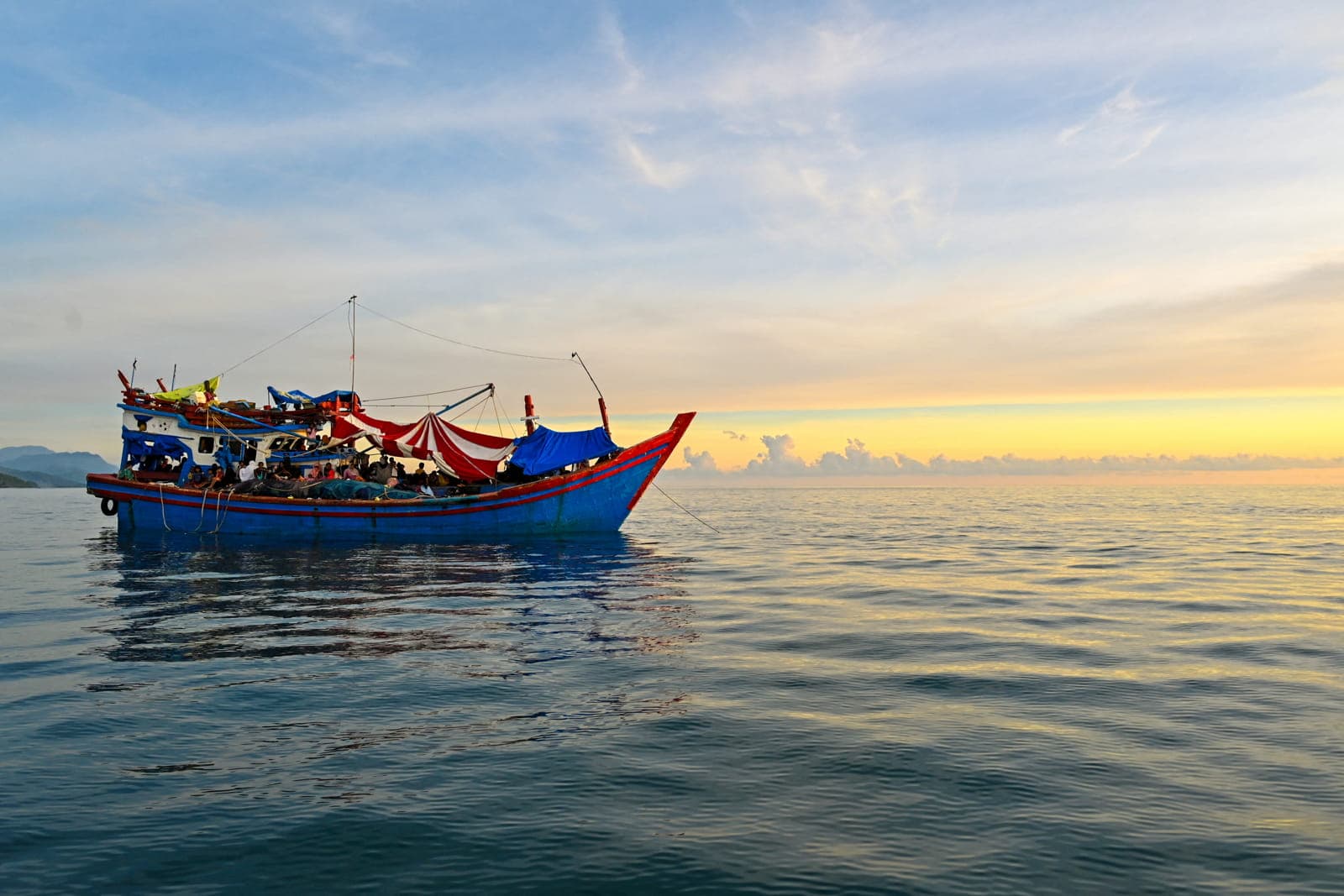
This focus stems from the persistent displacement of the Rohingya, a stateless Rohingya Muslim minority group from Myanmar, who have been forced to flee persecution. Many undertake dangerous sea voyages in search of safety and a better life, often ending up in regions like the Andaman Sea. The efforts to rescue and support these vulnerable populations underscore the ongoing humanitarian imperative and the need for sustained international engagement.
The Ongoing Rohingya Crisis and International Response
The term "Rohingya" frequently surfaces in global discussions, reflecting the persistent humanitarian crisis faced by this ethnic Muslim minority group from Myanmar. Their ongoing displacement and search for safety have spurred international concern and relief efforts, with recent attention focusing on how various forms of support, including Islamic philanthropy, are crucial for survival.
What Happened? The Root of the Crisis
The Rohingya have faced decades of persecution in Myanmar, where they are largely denied citizenship and basic rights. This has led to mass exoduses, particularly following widespread violence and alleged ethnic cleansing campaigns in 2017. Hundreds of thousands fled to neighboring Bangladesh, creating one of the world's largest refugee camps. Many others attempt perilous journeys across the sea, seeking refuge in countries like Malaysia, Indonesia, and Thailand.
Why Does It Matter? A Humanitarian Imperative
The Rohingya crisis is a stark reminder of statelessness, persecution, and the devastating consequences of ethnic conflict. Their struggle for recognition, rights, and basic safety is a global human rights issue. The precarious journeys undertaken by many Rohingya refugees, often in overcrowded and unseaworthy vessels, highlight the desperate measures they are forced to take and the urgent need for humanitarian intervention and safe passage.
The conditions faced by Rohingya refugees, particularly those at sea, are dire. They are vulnerable to exploitation, trafficking, and perilous weather. International aid is not just a matter of charity; it is a moral imperative to prevent further loss of life.
The Role of Islamic Philanthropy
Recent developments underscore the significant role of Islamic philanthropy, or Zakat and Sadaqah, in addressing the Rohingya crisis. Organizations are harnessing these charitable funds to provide essential life-saving services. This includes search and rescue operations, emergency medical assistance, food, shelter, and clean water for refugees navigating dangerous routes, such as those in the Andaman Sea.
Islamic charities often play a vital role in regions where official aid may be limited or slow to arrive. They are able to mobilize resources and reach vulnerable populations effectively, providing a critical lifeline to those in desperate need. The Lowy Institute's reporting on harnessing Islamic philanthropy for those in the Andaman Sea exemplifies this crucial connection between charitable giving and tangible humanitarian outcomes.
Background Context: A Stateless People
The Rohingya people have a long history in the region that is now Myanmar, but their ethnicity and religion have made them targets of discrimination and violence. Denied citizenship under Myanmar's 1982 Citizenship Law, they are effectively stateless. International bodies, including the United Nations, have described the situation as ethnic cleansing and have called for accountability for alleged atrocities.
The scale of displacement has overwhelmed host countries, particularly Bangladesh, which now hosts over a million Rohingya refugees. Efforts to repatriate the Rohingya have stalled due to a lack of safety guarantees and their insistence on citizenship and rights in their homeland. This creates a protracted refugee situation requiring sustained international support.
What to Expect Next?
The future of the Rohingya remains uncertain. Key developments to watch include:
- Continued Humanitarian Aid: Reliance on international aid, including philanthropic efforts, will likely persist as long as refugees remain displaced and undertake dangerous journeys.
- Diplomatic Efforts: International pressure on Myanmar to grant citizenship and rights to the Rohingya, and to create conditions for safe, voluntary, and dignified return, will continue.
- Legal Accountability: Ongoing investigations and potential legal proceedings related to alleged human rights abuses against the Rohingya.
- Refugee Resettlement: While large-scale resettlement is challenging, some Rohingya may find opportunities to resettle in third countries.
The resilience of the Rohingya people in the face of immense adversity, coupled with the dedication of humanitarian organizations and donors, highlights the ongoing global commitment to alleviating their suffering. The proactive engagement of charitable networks, such as those within Islamic philanthropy, is indispensable in providing immediate relief and advocating for long-term solutions.
Related News
Frequently Asked Questions
Why is rohingya trending?
The Rohingya crisis remains a prominent global issue due to ongoing displacement and humanitarian concerns. Recent trending stems from reports highlighting international relief efforts, particularly the significant role of Islamic philanthropy in aiding refugees.
What happened with the Rohingya people?
The Rohingya are an ethnic Muslim minority from Myanmar who have faced severe persecution, leading to mass displacement. Since 2017, hundreds of thousands have fled violence, seeking refuge in neighboring countries and undertaking dangerous sea journeys.
What is Islamic philanthropy's role in the Rohingya crisis?
Islamic philanthropy, through Zakat and Sadaqah, is crucial for providing life-saving aid to Rohingya refugees. These funds support search and rescue operations, medical assistance, food, and shelter for those in desperate need, especially those traveling by sea.
Where do most Rohingya refugees go?
The majority of Rohingya refugees have fled to Bangladesh, creating one of the world's largest refugee camps. Others attempt perilous sea voyages, often seeking safety in Southeast Asian countries like Malaysia and Indonesia.
What are the current conditions for Rohingya refugees?
Conditions vary, but many Rohingya refugees live in overcrowded camps with limited resources. Those undertaking sea journeys face extreme dangers, including exploitation, trafficking, and perilous weather, with many arriving in dire states or perishing at sea.