Retail Sector Faces Significant Challenges Amid Charity Shop Closures
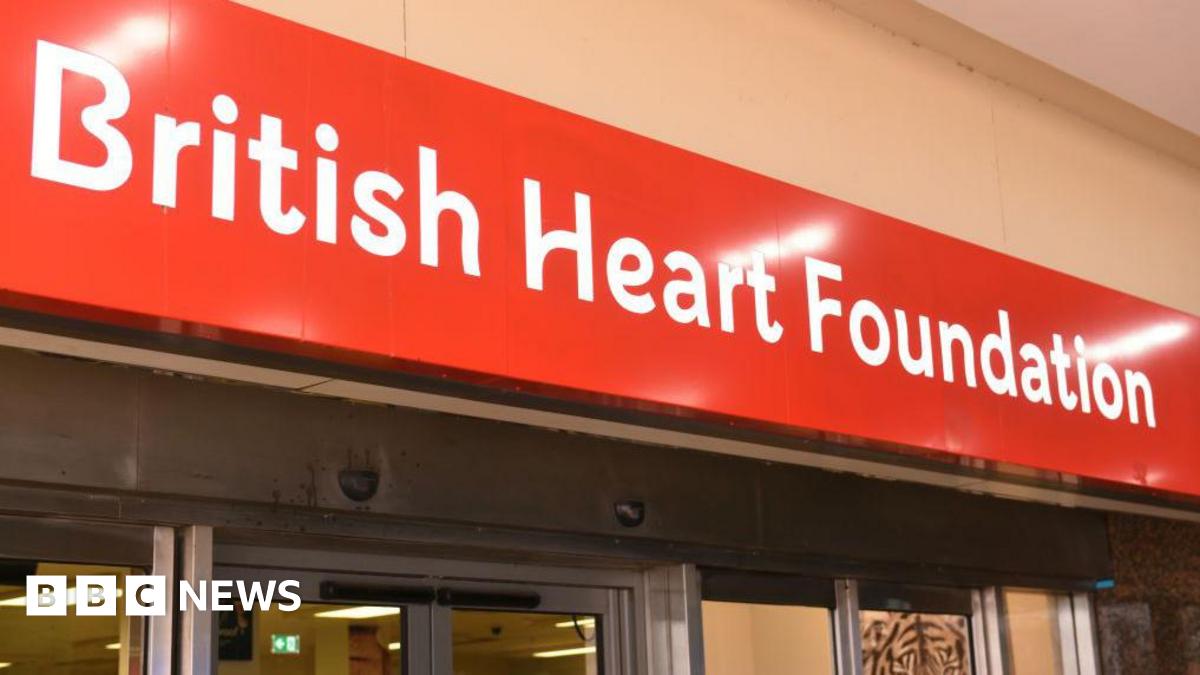
The retail sector is currently under a spotlight, driven by concerning news regarding the planned closure of a significant number of charity shops. The British Heart Foundation (BHF) has announced its intention to close 150 of its retail locations across the UK, a decision that has sent ripples through the industry and sparked wider conversations about the health of retail.
What Happened?
The British Heart Foundation, a prominent charity in the UK, has revealed plans to shut down 150 of its shops. This decision, widely reported by major news outlets including the BBC, ITV News, and The Telegraph, represents a substantial reduction in the charity's retail footprint. While the BHF has not always explicitly detailed the immediate reasons for each closure, the move comes amid a backdrop of economic headwinds affecting businesses nationwide. Some commentary, notably from The Telegraph, has linked these closures to broader economic policies and the impact of taxation on businesses operating in what is described as a challenging market.
Why This Matters
The closure of 150 charity shops is not just a story about a single organization; it reflects deeper trends within the retail sector and the broader economy. Charity shops often serve as vital sources of income for non-profit organizations, funding essential research, services, and support for their causes. A significant reduction in their number means less funding for these causes and a potential loss of community hubs. Furthermore, these closures can be an indicator of economic distress, suggesting that consumer spending power may be diminished or that operational costs have become unsustainable even for well-established entities.
"The retail environment remains exceptionally challenging, with rising costs and shifting consumer habits placing pressure on all parts of the sector, including charity retail."
Background Context
Charity shops have historically played a crucial role in the UK's retail landscape and charitable giving. They offer affordable goods, provide volunteer opportunities, and serve as tangible points of contact for charities. However, the retail sector has been undergoing a transformation for years, accelerated by the growth of e-commerce and further impacted by events such as the COVID-19 pandemic and subsequent inflation. Rising rents, energy prices, and increased competition, including from online second-hand platforms, have put pressure on traditional brick-and-mortar stores, including those operated by charities.
The specific commentary linking the BHF's closures to 'Labour's high-tax Britain,' as suggested by The Telegraph, points to a political and economic debate surrounding fiscal policy and its impact on businesses. While charity shops operate differently from for-profit retailers, they are still subject to various business rates, taxes, and operational expenditures that can be influenced by government policies.
What to Expect Next
The future of retail, particularly for physical stores, remains uncertain. For charity shops, the trend may lead to:
- Increased focus on online sales: Charities may bolster their online presence and e-commerce strategies to compensate for lost physical retail income.
- Store consolidation and optimization: Remaining stores might become larger, more experiential, or strategically located to maximize footfall and sales.
- Diversification of income streams: Charities may seek to reduce their reliance on retail by exploring other fundraising methods or revenue-generating activities.
- Greater scrutiny of operational costs: Organizations will likely engage in rigorous cost-management strategies to ensure the efficiency of their remaining retail operations.
The British Heart Foundation's decision serves as a significant indicator of the pressures facing the retail sector. As the economic climate continues to evolve, further adjustments and innovations are expected across the board, impacting not only charities but all businesses that rely on physical storefronts and consumer spending.