Rand Paul Continues Scrutiny of Dr. Anthony Fauci Amid COVID-19 Origins Debate
Senator Rand Paul has once again found himself at the center of trending conversations, largely due to his persistent inquiries directed at Dr. Anthony Fauci concerning the origins of the COVID-19 pandemic and matters of public health policy. The senator, a prominent Republican voice, has been a consistent critic of Dr. Fauci's guidance and recommendations throughout the pandemic, and recent Senate hearings have become a focal point for this ongoing tension.
What Happened in the Latest Hearings?
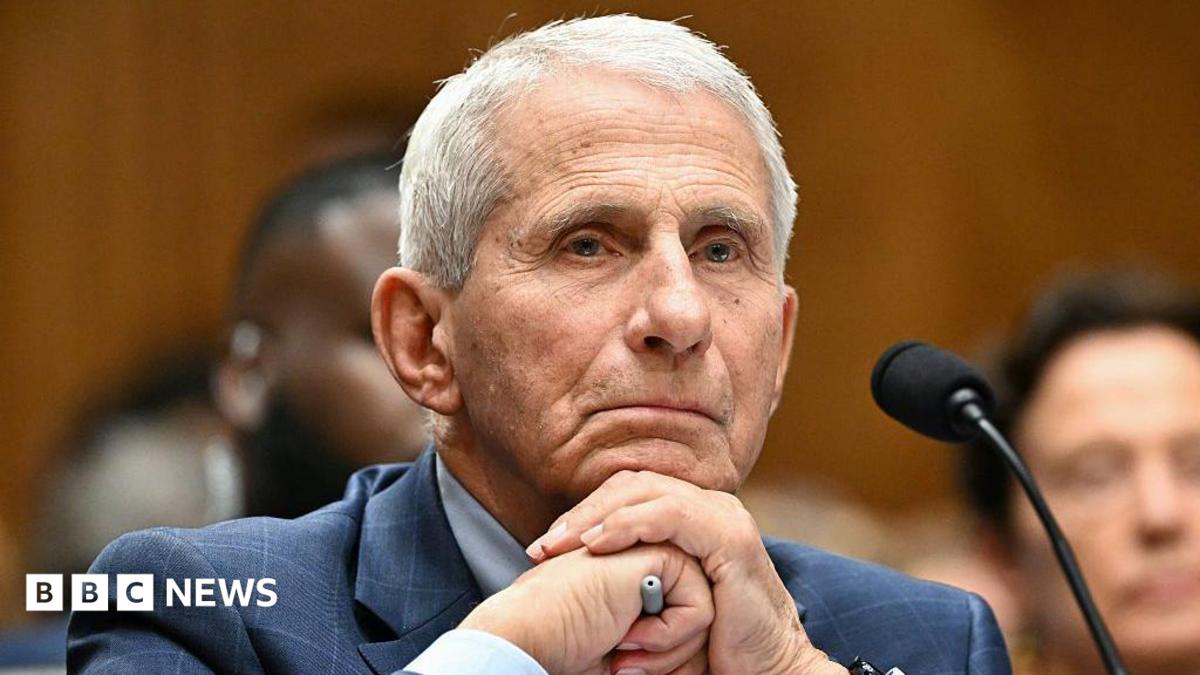
During recent US Senate hearings, Dr. Anthony Fauci, the former Director of the National Institute of Allergy and Infectious Diseases (NIAID), repeatedly declined to answer questions posed by Senator Rand Paul. These questions primarily focused on the origins of the COVID-19 virus, including aspects related to gain-of-function research and the potential involvement of laboratories. In several instances, Dr. Fauci invoked his Fifth Amendment right against self-incrimination, a move that has drawn significant attention and varied interpretations.
Senator Paul has been a leading voice in questioning the scientific establishment's consensus on the pandemic's origins, often leaning towards the possibility of a lab-leak originating from Wuhan, China. His line of questioning seeks to hold Dr. Fauci accountable for his past statements, funding decisions, and the overall management of the public health response. Fauci's refusal to answer, citing legal advice and potential future offenses, has been interpreted by some as a sign of vulnerability, while others argue it is a procedural tactic in a politically charged environment.
Why Does This Matter?
The trending nature of Rand Paul's actions stems from the deep divisions and unresolved questions surrounding the COVID-19 pandemic. For many, these hearings represent a critical opportunity to uncover the truth about how the virus emerged and to assess the appropriateness of the global response. Senator Paul's relentless pursuit of answers is seen by his supporters as a necessary step towards transparency and accountability, particularly concerning the substantial public funds allocated to research that may have indirectly contributed to the virus's emergence.
Conversely, Dr. Fauci and his defenders argue that his actions are being politicized and that invoking the Fifth Amendment is a legal right, not an admission of guilt. They often point to the complexity of the scientific inquiry and the lack of definitive evidence for any single origin theory. However, the public's desire for closure and understanding regarding a pandemic that caused widespread death and societal disruption means that figures like Fauci and Paul remain under intense public and political scrutiny.
Background Context: A History of Disagreement
The friction between Rand Paul and Anthony Fauci is not new. Since the early days of the pandemic, the Kentucky senator has frequently challenged Fauci's public health pronouncements, often clashing during Senate testimony. Paul has been a vocal critic of mask mandates, vaccine requirements, and lockdowns, frequently arguing that these measures were overly restrictive and not always supported by robust scientific evidence.
Furthermore, Paul has been a leading advocate for investigating the potential 'lab leak' theory, questioning funding provided by the National Institutes of Health (NIH) to organizations that then sub-granted funds to the Wuhan Institute of Virology. This line of inquiry has been a central theme in his critiques of Fauci, who led the NIAID for decades and oversaw significant portions of relevant research funding. The debate over gain-of-function research – experiments that could make viruses more dangerous – remains a highly contentious area, with differing interpretations of its relevance to the COVID-19 outbreak.
"The origin of the virus remains a critical question. We need clear answers, not stonewalling."
- A common sentiment from critics of Dr. Fauci's testimony.
The implications of these hearings extend beyond just Dr. Fauci. They touch upon broader questions about scientific integrity, government transparency, and the balance between public health measures and individual liberties. The news that Biden's administration might not be able to shield Fauci from potential future offenses, as reported by The New York Times, adds another layer of complexity, suggesting that legal ramifications could still be a possibility regardless of his current status.
What to Expect Next
The current trend suggests that the public interest in Dr. Fauci's testimony and Senator Paul's persistent questioning will likely continue. Future Senate hearings or investigations may bring these issues to the forefront once again. The debate over COVID-19 origins is far from settled, and calls for greater transparency and accountability are expected to persist.
- Continued Scrutiny: Expect Senator Paul and other like-minded lawmakers to continue probing Dr. Fauci and other public health officials.
- Legal Ramifications: The potential for future legal challenges or investigations into actions taken during the pandemic remains a possibility.
- Public Debate: The differing viewpoints on pandemic origins and policy responses will likely continue to fuel public discourse.
- Scientific Inquiry: Ongoing scientific research will aim to provide more definitive answers about the virus's emergence, though consensus may be slow to form.
Ultimately, the trending topic of Rand Paul is intertwined with the broader, unresolved narrative of the COVID-19 pandemic. His role as a persistent questioner keeps the focus on accountability and the search for definitive answers regarding one of the most significant global health crises in modern history.