Politics
World100+ searches
Quick Answer
Tensions in the Middle East are escalating as Israeli attacks on Lebanon draw criticism for allegedly violating a US-Iran ceasefire deal. Iran's president and parliament speaker have insisted the ceasefire includes Lebanon, while Hezbollah has launched attacks on Israel in response to strikes.
Why Is This Trending?
The political landscape of the Middle East is once again at the forefront of global attention due to a significant escalation between Israel and Lebanon, with Iran playing a central role in the unfolding diplomatic and military tensions. Recent Israeli airstrikes on Lebanese territory have sparked international concern, particularly from Iran, which claims these actions represent a 'grave violation' of a US-brokered ceasefire deal. This alleged breach has reignited fears of a wider conflict, drawing in key regional players and international mediators.
The situation is further complicated by conflicting narratives regarding the scope of the ceasefire. While Iranian officials, including the president and parliament speaker, assert that Lebanon was indeed part of the agreement, Israeli actions suggest a different interpretation or a deliberate disregard for its terms. In response to the strikes, Hezbollah, a powerful Lebanese militant group with close ties to Iran, has initiated its own attacks against Israel, indicating a rapid and dangerous escalation on the ground. This tit-for-tat exchange highlights the fragility of regional stability and the potential for localized incidents to spiral into broader confrontations.
Middle East Tensions Flare Amid Allegations of Ceasefire Violations
The Middle East is once again a focal point of international concern as a series of events threatens to destabilize the region further. Recent Israeli military actions in Lebanon have triggered accusations of a grave violation of a United States-brokered ceasefire deal, drawing sharp rebukes from Iran and leading to retaliatory attacks by Hezbollah. This developing situation underscores the precarious geopolitical balance in the region and the potential for a localized conflict to escalate into a wider war.
What Happened?
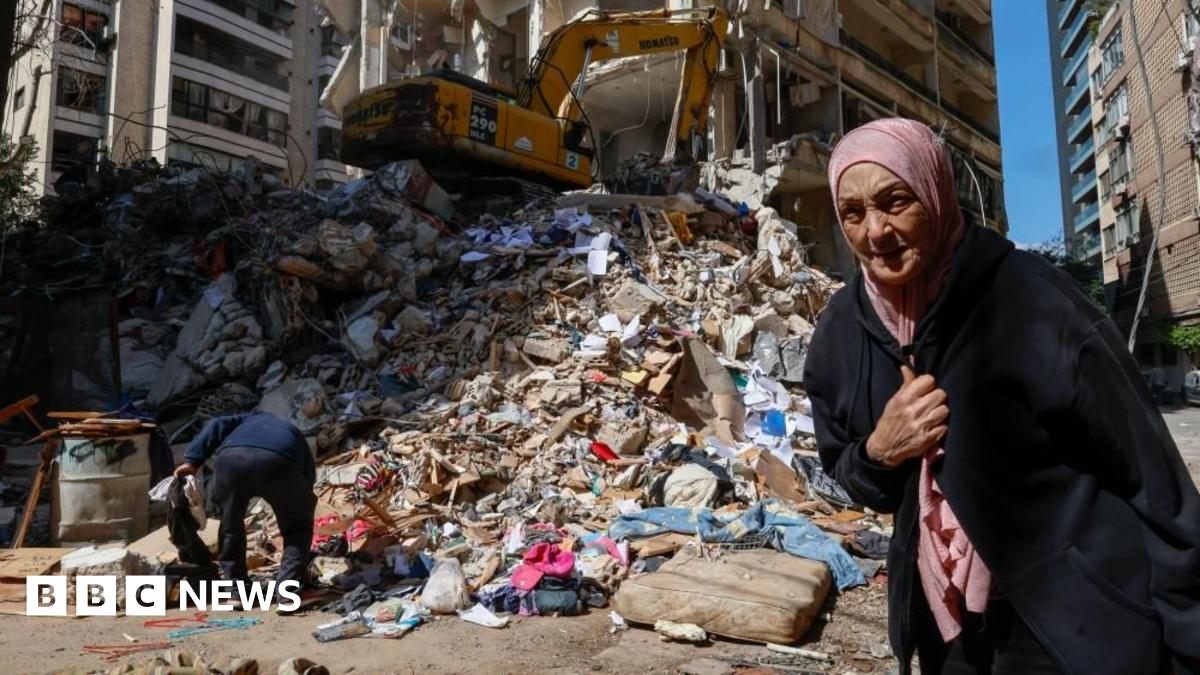
The immediate catalyst for the current tensions appears to be a wave of Israeli attacks targeting areas in Lebanon. These strikes have been met with strong condemnation from Iran, with Iranian Minister Mohammad Javad Zarif (as reported by the BBC) stating that the actions constituted a "grave violation" of a ceasefire agreement facilitated by the United States and involving Iran. This assertion suggests that the recent de-escalation efforts, which Iran believed included Lebanese territory, have been undermined.
Adding to the complexity, Iran's President Hassan Rouhani and Parliament Speaker Ali Larijani have publicly insisted that Lebanon was indeed an integral part of the ceasefire agreement. Their statements, reported by The Times of Israel, indicate a firm belief in Tehran that the agreement's terms were clear and that Israel's actions are a direct breach. This insistence sets the stage for a significant diplomatic standoff, with Iran likely to hold the US and Israel accountable for the alleged violation.
In a swift and forceful response to the strikes on Lebanon, Hezbollah, the powerful militant group based in southern Lebanon, launched its own attacks against Israel. As detailed by the Financial Times, these Hezbollah operations followed the "wave of strikes on Lebanon," suggesting a direct retaliatory posture. This exchange of fire between Hezbollah and Israel is particularly concerning, as it represents a direct military confrontation that could quickly broaden.
Why Does This Matter?
The implications of these events are far-reaching. Firstly, the alleged violation of a US-brokered ceasefire deal, particularly one involving Iran, could significantly damage diplomatic credibility and future de-escalation efforts in the Middle East. If Iran's claims are substantiated, it raises serious questions about the enforcement and adherence to international agreements in a highly volatile region.
Secondly, the direct involvement of Hezbollah and the potential for a wider conflict between Lebanon and Israel are critical concerns. The history of conflict between these two entities is well-documented, and any escalation could lead to significant loss of life and further displacement of populations. The involvement of Iran, a key supporter of Hezbollah, adds another layer of complexity, potentially drawing in other regional and international actors.
Furthermore, the situation impacts the broader geopolitical dynamics concerning Iran's regional influence. The US has sought to contain Iran's power, and any perceived success in brokering a ceasefire that Iran believes has been violated could be seen as a setback for its foreign policy objectives. Conversely, Iran may leverage this situation to bolster its standing among its allies and assert its regional importance.
Background Context
The Middle East has been a persistent hotbed of political and military tension for decades. Regional rivalries, particularly between Iran and Israel, coupled with the complex web of alliances and proxy relationships, create an environment where conflicts can erupt and spread rapidly. Previous rounds of conflict between Israel and Hezbollah have resulted in widespread destruction and significant casualties. The United States has historically played a significant role in mediating conflicts and attempting to foster stability, often through diplomatic channels and security agreements. Iran, on the other hand, views itself as a key player in regional security, supporting various militant groups, including Hezbollah, as a counterweight to Israeli and US influence.
The concept of a "ceasefire deal" involving Iran, the US, and other regional actors is inherently sensitive. Such agreements are often intricate, with differing interpretations of their scope and terms being a common source of friction. In this specific instance, the disagreement over whether Lebanon was explicitly included in the ceasefire is crucial. If Iran believes it was, its perception of the Israeli strikes is one of deliberate provocation. If Israel, or the US in its brokering capacity, did not intend for Lebanon to be included, then the situation becomes a matter of miscommunication or differing strategic objectives.
What to Expect Next
The coming days and weeks will be critical in determining the trajectory of this developing situation. Several key factors will be at play:
- Diplomatic Efforts: Expect intense diplomatic activity as the US and other international powers attempt to de-escalate the situation. The focus will likely be on clarifying the terms of the ceasefire and preventing further military exchanges.
- Iran's Response: Iran's reaction will be crucial. If it perceives a significant violation and a lack of accountability, it may escalate its support for Hezbollah or engage in other actions to assert its influence.
- Hezbollah's Actions: Hezbollah's willingness to continue or cease its attacks on Israel will be a key indicator of the immediate threat level. Their actions are often closely coordinated with Tehran.
- Israeli Strategy: Israel will likely continue to respond to perceived threats from Lebanon, balancing its security concerns with the risk of provoking a larger conflict.
- International Scrutiny: The international community, particularly organizations like the United Nations, will be closely monitoring the situation and calling for restraint from all parties involved.
The potential for miscalculation remains high. A single misstep or an unintended escalation could have devastating consequences for the region. The effectiveness of ongoing diplomatic efforts, the clarity of communication regarding the ceasefire, and the willingness of all parties to exercise restraint will ultimately determine whether this flare-up is contained or evolves into a more significant crisis.
Related News
Frequently Asked Questions
Why is politics trending with the Middle East conflict?
Politics is trending due to escalating tensions between Israel and Lebanon, reportedly involving violations of a US-Iran ceasefire agreement. Iran's insistence that Lebanon was part of the deal and Hezbollah's subsequent attacks on Israel have heightened the geopolitical stakes, making it a major global political issue.
What specific event triggered the current political tensions?
The current political tensions were triggered by Israeli attacks on Lebanon. Iran has claimed these strikes were a 'grave violation' of a US-brokered ceasefire deal. This has led to a counter-response from Hezbollah, attacking Israel.
What is the disagreement regarding the Iran-US ceasefire deal?
The core disagreement revolves around whether Lebanon was explicitly included in the ceasefire deal brokered by the US and involving Iran. Iran's president and parliament speaker insist it was, while the actions of Israel suggest a different interpretation or a disregard for its inclusion.
How has Hezbollah responded to the situation?
Hezbollah has responded by launching attacks against Israel. These actions are seen as a direct retaliation for the wave of Israeli strikes on Lebanon, indicating a significant escalation of military activity in the region.
What are the potential consequences of this escalation?
The potential consequences include a wider regional conflict, further damage to diplomatic credibility, increased instability, and a greater risk of civilian casualties and displacement. The situation could also impact international relations and efforts to contain Iran's influence.