Nigeria
World200+ searches
Quick Answer
Nigeria is trending due to recent Easter attacks that claimed dozens of lives across the country. Reports indicate that locals are disputing claims by the Nigerian army regarding the number of people rescued after an attack.
Why Is This Trending?
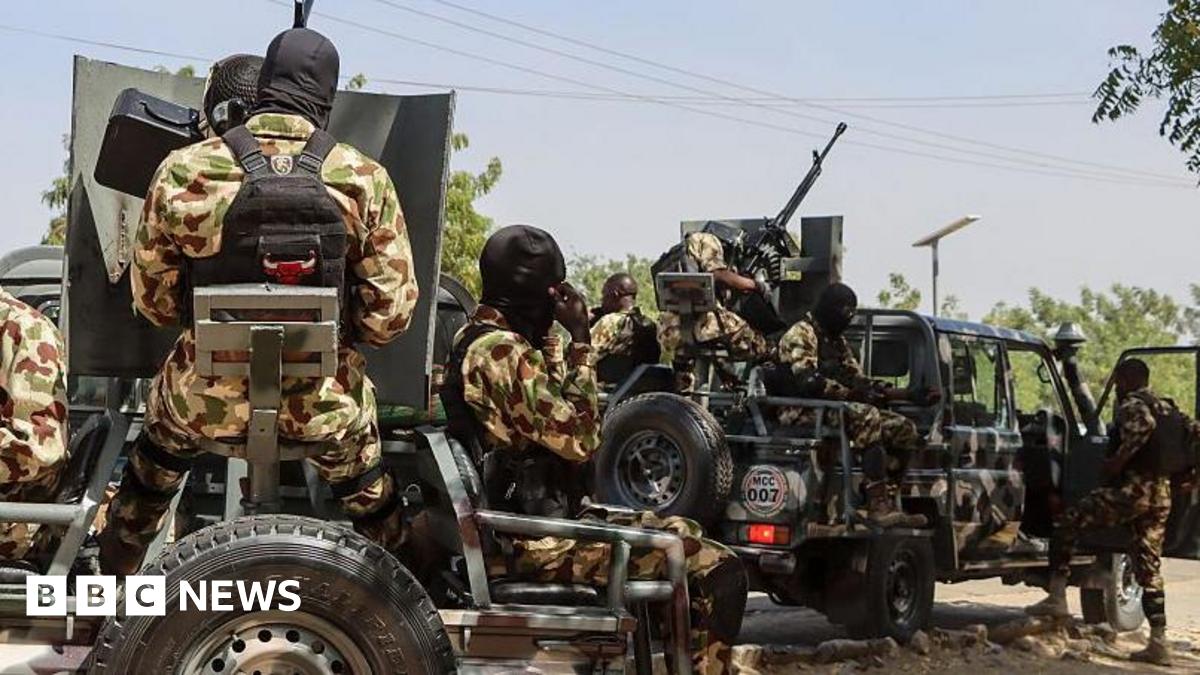
The nation of Nigeria is currently a trending topic following a series of devastating Easter attacks that resulted in significant casualties. Reports from international news outlets highlight that dozens of individuals were killed in these coordinated assaults. Adding to the gravity of the situation, there are disputes between locals and the Nigerian army concerning the exact number of people rescued following one of these attacks, specifically questioning the army's claim of 31 individuals being saved.
Easter Attacks Rock Nigeria, Raising Security Concerns
Nigeria is currently a prominent trending topic as the nation grapples with the aftermath of coordinated Easter attacks that have claimed dozens of lives. The violence, which occurred across various parts of the country, has reignited urgent questions about security and the protection of citizens.
What Happened: A Wave of Deadly Attacks
Reports from multiple international news sources, including the BBC, France 24, and International Christian Concern, detail a series of deadly assaults that took place around the Easter period. These attacks, characterized by their coordinated nature and significant loss of life, have sent shockwaves across Nigeria and the international community. While the exact number of casualties is still being determined, it is confirmed that dozens of people were killed in these incidents. One specific incident highlighted in the news involves a claim by the Nigerian army that 31 individuals were rescued. However, this claim is reportedly being disputed by locals, casting doubt on the official narrative and raising concerns about transparency and the true impact of the violence.
Why It Matters: Escalating Insecurity and Human Cost
The recent attacks in Nigeria are significant for several reasons. Firstly, they underscore a deepening security crisis in various regions of the country, which has been struggling with multiple forms of insurgency, banditry, and inter-communal violence. The timing of these attacks, coinciding with a significant religious holiday, amplifies the sense of vulnerability and fear among the populace. Secondly, the reported dispute between locals and the military regarding rescue figures points to potential challenges in information dissemination and trust between security forces and the communities they serve. This lack of clear, verified information can hinder effective response and recovery efforts. The human cost of these attacks is immense, with families mourning the loss of loved ones and communities facing further displacement and trauma. These events have a ripple effect, impacting social stability, economic activity, and the overall well-being of the nation.
Background Context: A Complex Security Landscape
Nigeria's security challenges are multifaceted and long-standing. The country has been battling the Boko Haram insurgency in the northeast for over a decade, leading to widespread displacement and humanitarian crises. In other regions, particularly the northwestern and central parts, there has been a surge in banditry, kidnapping for ransom, and farmer-herder conflicts, often exacerbated by ethnic and religious tensions. These underlying issues create a fertile ground for violence to erupt and persist. The Easter attacks appear to be another manifestation of these complex, overlapping security threats. Understanding the specific motivations and perpetrators behind these recent assaults is crucial for developing effective counter-terrorism and conflict resolution strategies. The government faces immense pressure to not only contain existing threats but also to prevent new ones from emerging and to ensure the safety of all its citizens, regardless of their background or location.
What to Expect Next: Calls for Action and Investigation
In the wake of these tragic events, several actions are expected. There will likely be increased calls for the Nigerian government and its security forces to take more decisive action to curb the escalating violence and bring the perpetrators to justice. International bodies and human rights organizations are expected to monitor the situation closely, demanding accountability and humanitarian aid for affected communities. Investigations into the attacks, and particularly into the disputed rescue claims, will be crucial. Transparency in reporting and a concerted effort to rebuild trust between the security apparatus and the public will be vital for long-term stability. The government will need to address the root causes of the insecurity, which may involve a combination of security operations, community dialogue, and socio-economic development initiatives. The resilience of the Nigerian people will be tested, but so too will the resolve of its leadership to ensure a safer future.
"The scale of these attacks is deeply concerning, and the reported disputes over rescue figures only add to the urgency of the situation."- A concerned observer
Key Takeaways:
- Dozens killed in coordinated Easter attacks across Nigeria.
- Locals dispute Nigerian army's claim of 31 rescued in one incident.
- Events highlight ongoing and complex security challenges in Nigeria.
- Increased calls for government action and accountability are expected.
Related News
Frequently Asked Questions
Why is Nigeria trending right now?
Nigeria is trending due to devastating Easter attacks that resulted in the deaths of dozens of people across the country. The incidents have brought renewed attention to the nation's security challenges.
What exactly happened during the Easter attacks in Nigeria?
Coordinated attacks occurred across Nigeria around the Easter period, leading to the deaths of dozens of individuals. Reports indicate significant violence impacting various communities.
Are there disputes regarding the Nigerian army's claims?
Yes, there are reports of locals disputing the Nigerian army's claim that 31 people were rescued after one of the Easter attacks. This raises questions about transparency and the impact of the violence.
What is the broader security context in Nigeria?
Nigeria faces complex security issues including the Boko Haram insurgency, widespread banditry, kidnapping, and farmer-herder conflicts. These long-standing problems contribute to the recurring nature of such violent incidents.
What are the potential next steps following these attacks?
Following the attacks, there are expected to be increased demands for government action, calls for justice, and humanitarian assistance for affected communities. Investigations into the incidents are also anticipated.