Niger
World100+ searches
Quick Answer
Niger is trending due to reports of a 'witch-hunt' where the military regime is rounding up LGBTQ+ individuals. This crackdown follows a period of political instability and increased international scrutiny.
Niger is trending due to reports of a 'witch-hunt' where the military regime is rounding up LGBTQ+ individuals. This crackdown follows a period of political instability and increased international scrutiny.
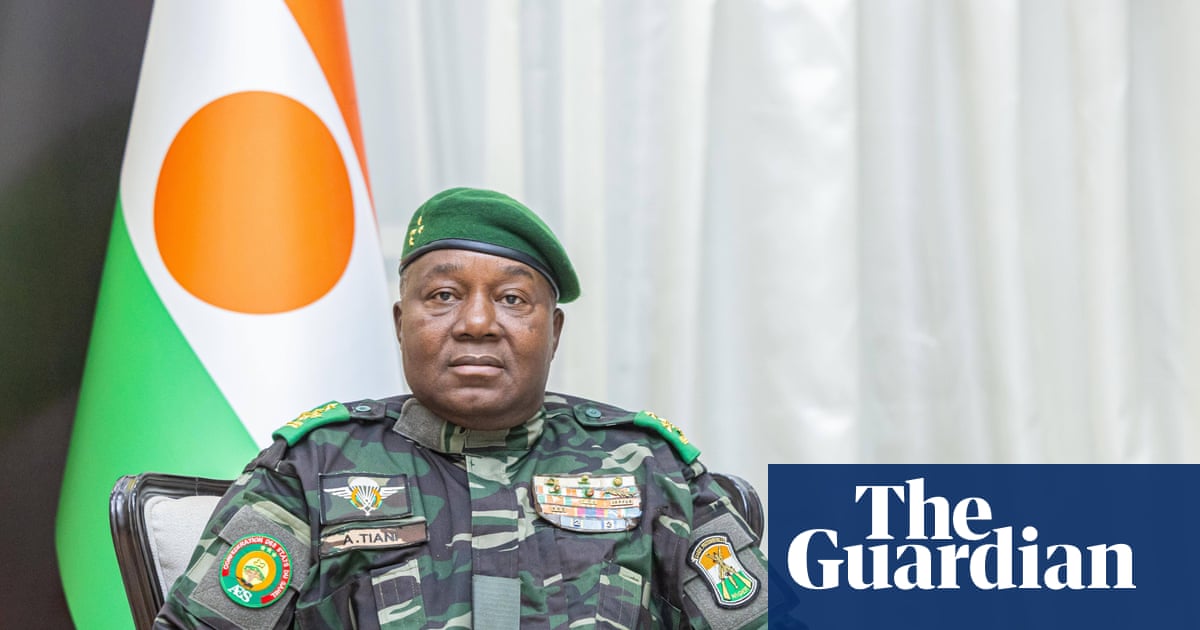
Niger, a West African nation, has recently come under intense global scrutiny due to disturbing reports of a widespread crackdown targeting its LGBTQ+ population. Following a military coup that ousted the democratically elected government, the new regime appears to be initiating a campaign described as a "witch-hunt" against individuals perceived to be part of the LGBTQ+ community. This development has sent shockwaves through human rights circles and has raised serious concerns about the future of civil liberties in the country.
Recent news reports, notably from The Guardian, detail a systematic roundup of LGBTQ+ individuals across Niger. While specific numbers are difficult to ascertain, the scope of these detentions is described as significant. The actions are being characterized as a "witch-hunt," implying a persecution that goes beyond simple legal enforcement and enters the realm of targeted harassment and elimination. This crackdown appears to be occurring in the aftermath of the military takeover, raising questions about whether these actions are a deliberate policy of the new regime to consolidate power or suppress perceived dissent.
The trend of persecuting LGBTQ+ individuals in Niger is deeply concerning for several reasons. Firstly, it represents a grave violation of fundamental human rights, including the right to safety, freedom from discrimination, and freedom of association. Secondly, it highlights the precariousness of minority rights in contexts of political instability and authoritarian shifts. The military coup has already destabilized the nation, and the targeting of a specific, vulnerable group can exacerbate social divisions and humanitarian crises. International organizations and human rights advocates are closely monitoring the situation, urging for the immediate cessation of these alleged abuses and the protection of all citizens, regardless of their sexual orientation or gender identity.
Niger has a history of political fragility, but the recent military coup marked a significant turning point. The coup, which occurred in July 2023, led to the overthrow of President Mohamed Bazoum and the establishment of a military junta. This event triggered widespread international condemnation and led to sanctions from regional bodies like ECOWAS, as well as international partners. The political vacuum and the imposition of military rule have created an environment where authoritarian tendencies can flourish, and existing societal prejudices might be amplified or weaponized.
While LGBTQ+ rights have been a contentious issue in many African nations, Niger's specific situation is unfolding against this backdrop of political turmoil. The country's legal framework and societal attitudes towards the LGBTQ+ community have historically been complex. However, the current reports suggest a deliberate and organized effort by the state apparatus to suppress and detain individuals, which is a marked escalation.
"The targeting of LGBTQ+ individuals under the guise of a 'witch-hunt' is a clear indicator of a deteriorating human rights situation in Niger. It is imperative that the international community holds the military regime accountable and demands the immediate release of all detained individuals and guarantees for their safety."
- A hypothetical statement from a human rights advocate.
The international community is likely to increase pressure on Niger's military junta. Human rights organizations will continue to document and publicize any further abuses. Diplomatic efforts may be intensified to seek the release of detained individuals and to advocate for the protection of LGBTQ+ rights. The response from regional bodies and global powers will be critical in shaping the outcome. However, given the volatile political landscape, the protection of minority rights remains a significant challenge. The situation underscores the urgent need for a return to democratic governance and the establishment of robust legal protections for all citizens.
The unfolding events in Niger serve as a stark reminder of the interconnectedness of political stability and the protection of human rights. As the world watches, the hope is that diplomacy and international pressure can prevent further escalation of these troubling reports and ensure that all individuals in Niger are treated with dignity and respect.
Niger is trending due to alarming reports of the military regime engaging in a "witch-hunt" and rounding up LGBTQ+ individuals. This crackdown has raised significant human rights concerns following the country's recent political instability and military coup.
Reports indicate that Niger's military regime is actively targeting and detaining individuals from the LGBTQ+ community. This action is being described as a "witch-hunt," suggesting a systematic persecution rather than isolated incidents.
Niger experienced a military coup in July 2023, which overthrew the democratically elected government. This event led to international condemnation and sanctions, creating a backdrop of political instability and a shift towards military rule.
The alleged crackdown represents a severe violation of fundamental human rights, including the right to safety, freedom from discrimination, and freedom of association. It highlights the vulnerability of minority groups during periods of political transition and authoritarianism.
Human rights organizations and the international community are closely monitoring the situation and calling for an end to the alleged abuses. There is pressure on Niger's military junta to protect all citizens and uphold human rights standards.