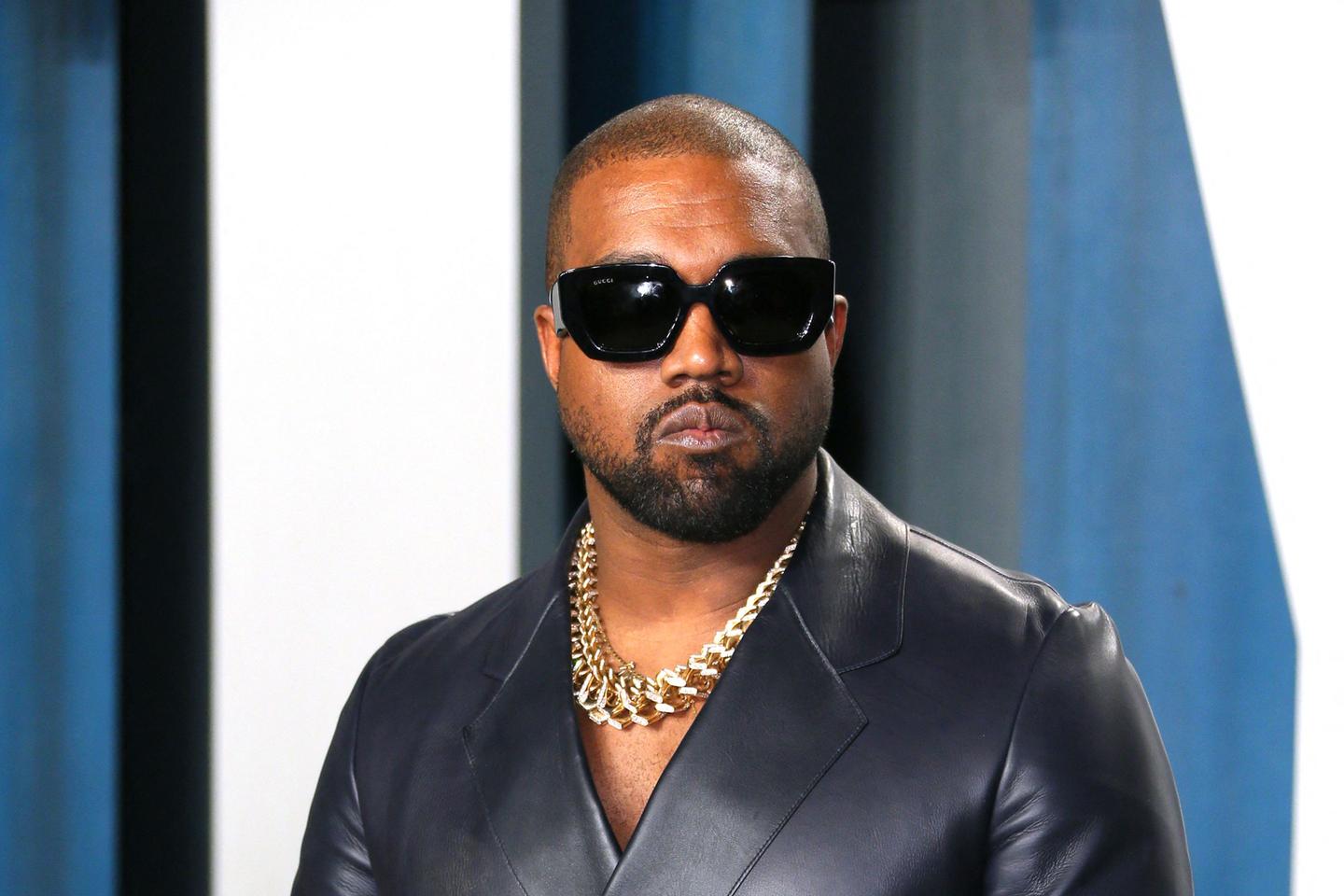
Kanye West Concert Cancellation Puts Marseille in the Spotlight
The vibrant southern French city of Marseille is currently trending, not for its picturesque coastlines or rich history, but as the backdrop to a significant controversy surrounding rapper Kanye West. The artist recently announced the cancellation of a highly anticipated concert in Marseille, a decision that has been met with a mix of understanding and debate. The cancellation is directly linked to threats of prohibition by French authorities, citing West's repeated and well-documented antisemitic remarks.
What Happened?
Kanye West, now known as Ye, had reportedly planned a concert in Marseille. However, French Prefect Laurent Nuñez issued a statement indicating that the event could face prohibition. This potential ban was explicitly tied to the rapper's history of making antisemitic comments. Following these developments, West himself announced the cancellation of the concert. He stated, "It's my decision" and acknowledged that he was "not welcome at the Vélodrome," the stadium where the event was likely to take place. The Mayor of Marseille, Benoît Payan, also weighed in, echoing the sentiment that West was not welcome in the city under the current circumstances.
Why Does This Matter?
This incident brings into sharp focus the escalating consequences for public figures who engage in hate speech. Kanye West's history of controversial and offensive statements, particularly those targeting the Jewish community, has led to significant backlash and professional repercussions worldwide. The potential prohibition of his concert in Marseille, and his subsequent cancellation, signifies a strong stance by French authorities against allowing platforms for hate speech. It highlights a global trend of holding artists and public figures accountable for their words and the impact they have on public discourse and safety. Furthermore, it raises questions about artistic freedom versus social responsibility, and the extent to which cities and venues should host individuals with a history of promoting divisive and harmful ideologies.
Background Context: A Pattern of Controversy
Kanye West has a documented history of making provocative and offensive statements, which have led to numerous controversies throughout his career.
This is not the first time Kanye West's statements have led to professional fallout. Over the years, he has made remarks that have been widely criticized as antisemitic, racist, and conspiratorial. These have included praise for Adolf Hitler, denial of the Holocaust, and accusations against Jewish people. These comments have resulted in significant consequences, including:
- Termination of lucrative business partnerships, most notably with Adidas.
- Loss of endorsements and public support.
- Social media platform bans.
- Widespread condemnation from various organizations, including the Anti-Defamation League (ADL) and the World Jewish Congress.
The potential concert in Marseille was likely seen by some as an opportunity for West to reconnect with fans in Europe. However, the persistent nature of his antisemitic rhetoric made such an event untenable for authorities and potentially for the venue itself, given the potential for public outcry and safety concerns.
The Role of Marseille and French Authorities
Marseille, a major port city with a diverse population, has often been a melting pot of cultures. The decision by French Prefect Laurent Nuñez to consider prohibiting the concert underscores a commitment to combating hate speech within the country. The "threat of prohibition" suggests that while freedom of expression is valued, it is not absolute and can be curtailed when it incites hatred or discrimination. The mayor's clear statement that West was "not welcome" further solidifies the position of local authorities.
The situation presents a complex challenge for law enforcement and city officials. On one hand, they must balance the right to host events and the economic benefits they may bring. On the other hand, they have a duty to protect their citizens from the potential harm and division caused by hate speech. The swift action and clear communication regarding the potential prohibition demonstrate a proactive approach to managing such risks.
What to Expect Next
Following the cancellation, it is likely that Kanye West's future concert plans, particularly in Europe, will face even greater scrutiny. Artists and their management teams will need to carefully consider the implications of their public statements and the potential impact on their ability to perform in different jurisdictions. For Marseille, the focus will shift back to its rich cultural offerings and community events, now that this controversy has been averted.
The broader conversation about accountability for public figures is likely to continue. As society becomes more attuned to the impact of hateful rhetoric, expect more instances where freedom of expression is weighed against the need for social cohesion and the prevention of discrimination. This incident serves as a stark reminder that hateful words can have tangible consequences, affecting not only an individual's career but also the events and spaces they wish to occupy.