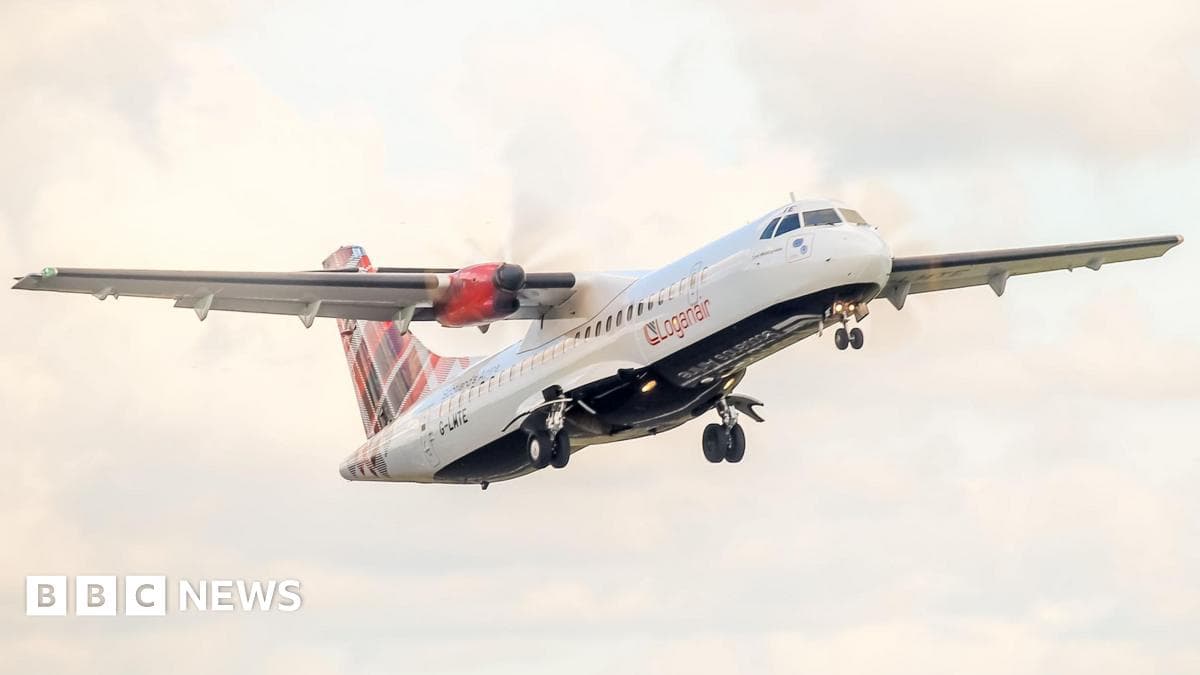
Loganair
Business200+ searches
Quick Answer
Loganair is trending due to its pioneering role in the development of electric aircraft in the UK. The airline is involved in demonstrations of electric flights for postal routes and is exploring future applications, highlighting the industry's push towards sustainability amidst rising oil prices.
Why Is This Trending?
The Scottish airline Loganair has captured attention as it spearheads the integration of electric aviation technology within the UK. Recent news highlights the airline's participation in trials for electric flight demonstrations, particularly in collaboration with Royal Mail for postal routes. This initiative is part of a broader industry movement, significantly influenced by current high oil prices, to develop and implement more sustainable air travel solutions.
The airline's boss has publicly emphasized how fluctuating oil costs underscore the urgent necessity for the aviation sector to transition towards electric alternatives. Loganair's involvement in these UK-first electric flight projects positions it at the forefront of this green aviation revolution, signaling a potential future where short-haul and regional flights could become significantly more environmentally friendly.
Loganair Leading the Charge in UK Electric Aviation
Loganair, Scotland's airline, is currently a focal point in discussions surrounding the future of aviation, particularly its commitment to embracing electric flight technology. Recent developments and statements from the airline's leadership have placed it at the forefront of green aviation initiatives within the United Kingdom. This growing interest is fueled by successful electric flight demonstrations and the airline's strategic outlook on sustainability in the face of economic and environmental pressures.
What Has Happened?
The trending topic around Loganair stems from its active involvement in pioneering electric aviation in the UK. Notably, the airline has participated in demonstrations of electric flights, which have been tested for potential use on Royal Mail postal routes. This initiative represents a significant step towards practical application of electric aircraft technology in commercial operations, even if initially for specialized routes.
Furthermore, Loganair's chief executive has publicly commented on the pressing need for the aviation industry to develop electric aircraft. These remarks have been directly linked to the current volatility and high cost of oil prices, which significantly impact operational expenses for traditional airlines. The airline boss highlighted that these economic factors further bolster the case for investing in and accelerating the adoption of electric propulsion systems.
Why Does This Matter?
The significance of Loganair's involvement lies in its potential to reshape regional air travel and pave the way for a more sustainable aviation sector. Electric aircraft offer the promise of reduced carbon emissions, quieter operations, and potentially lower running costs in the long term, especially as energy sources diversify.
For Loganair, which operates numerous short-haul routes crucial for connectivity in Scotland and surrounding islands, electric aircraft could offer a more environmentally conscious and economically viable solution. The demonstrations for postal services suggest a pragmatic approach to integrating this technology, starting with routes where electric capabilities align well with operational needs. This moves the concept of electric flight from theoretical possibility to tangible demonstration.
The broader impact extends to the global push for decarbonization within the aviation industry. As airlines face increasing pressure from regulators, customers, and investors to reduce their environmental footprint, companies like Loganair that are actively exploring and implementing new technologies are setting an important precedent.
Background Context: The Drive Towards Sustainable Aviation
The aviation industry has long been grappling with its environmental impact. Traditional jet fuel combustion releases significant amounts of greenhouse gases, contributing to climate change. In response, there has been a global surge in research and development focused on alternative fuels and propulsion systems. These include:
- Sustainable Aviation Fuels (SAFs): Biofuels derived from renewable sources.
- Hydrogen-powered aircraft: Utilizing hydrogen as fuel, either directly or indirectly.
- Electric aircraft: Powered by electricity stored in batteries, suitable primarily for shorter flights due to current battery limitations.
Rising oil prices, as experienced recently, act as a powerful catalyst, making the development and adoption of these cleaner technologies more economically attractive. For airlines operating on thin margins, or those serving remote communities where fuel logistics can be complex, finding cost-effective and sustainable alternatives is paramount.
Loganair, with its extensive network of short to medium-haul routes, is well-positioned to be an early adopter of electric or hybrid-electric aircraft for specific applications. Their involvement in trials suggests a strategic alignment with the future trajectory of aviation technology.
The transition to electric flight is not just an environmental imperative but is increasingly becoming an economic one, especially with the fluctuating costs of fossil fuels. Loganair's proactive stance demonstrates a commitment to both sustainability and future-proofing its operations.
What to Expect Next
Following these initial demonstrations and pronouncements, the focus will likely be on scaling up the technology and expanding its application. Loganair is expected to continue its collaboration with technology partners and regulatory bodies to assess the feasibility of integrating electric aircraft more broadly into its fleet.
Key areas to watch include:
- Further development and refinement of electric aircraft designs suitable for regional routes.
- Expansion of electric flight trials beyond postal routes to include passenger services on specific sectors.
- Regulatory approvals and infrastructure development (e.g., charging facilities at airports) required for widespread electric flight.
- The impact of these developments on operational costs and passenger experience.
Loganair's pioneering efforts signal a tangible shift in the aviation landscape, suggesting that the era of electric flight, while still in its nascent stages, is steadily approaching, driven by innovation, environmental consciousness, and economic realities.
Related News
Frequently Asked Questions
Why is Loganair trending?
Loganair is trending because it is actively involved in pioneering electric flight technology in the UK. The airline is participating in demonstrations of electric aircraft, including for potential Royal Mail postal routes, and its boss has highlighted the need for electric planes due to oil prices.
What happened with Loganair and electric flights?
Loganair has been involved in UK-first demonstrations of electric flights. These trials have explored the use of electric aircraft for applications like Royal Mail postal routes, positioning the airline at the forefront of sustainable aviation technology.
How do oil prices relate to Loganair's electric flight initiatives?
Loganair's boss has stated that high and fluctuating oil prices highlight the urgent need for the aviation industry, including Loganair, to develop and adopt electric aircraft. This economic pressure makes sustainable alternatives like electric flight more attractive.
Are Loganair's electric flights for passengers?
Currently, the most prominent news is about Loganair's involvement in demonstrations for Royal Mail postal routes. While the airline is exploring electric aviation, the immediate application highlighted is for cargo/postal services, though this paves the way for future passenger applications.
What is the future of electric aviation with Loganair?
Loganair's involvement suggests a move towards integrating electric aircraft into regional aviation. Future expectations include further development, potential scaling up for passenger services on certain routes, and the necessary infrastructure build-out to support electric flight operations.