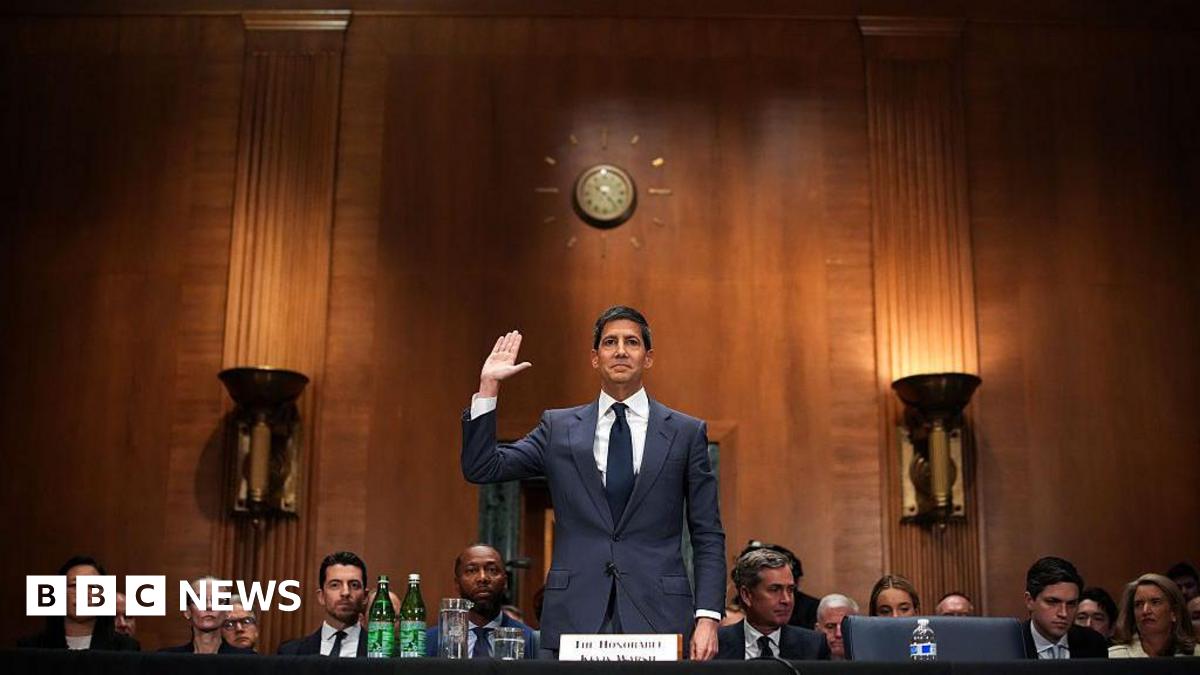
Kevin Warsh Undergoes Senate Scrutiny for Federal Reserve Chair Position
The name Kevin Warsh has recently entered the spotlight, dominating financial and political news cycles due to his nomination by President Donald Trump to lead the Federal Reserve. As a former member of the Fed's Board of Governors, Warsh is no stranger to the complexities of monetary policy, but his current nomination has placed him at the center of intense scrutiny, particularly during his confirmation hearings before the Senate Banking Committee. The proceedings are closely watched, as the Federal Reserve's leadership has a profound impact on the U.S. economy and global financial markets.
What Happened: Senate Confirmation Hearings
The primary reason for Kevin Warsh's trending status is his ongoing confirmation process to potentially succeed Janet Yellen as the Chair of the Federal Reserve. President Trump officially nominated Warsh, a move that immediately garnered significant attention. The subsequent Senate hearings have been a focal point, with senators from both parties grilling Warsh on a range of critical issues. These discussions have revolved around his economic philosophy, his stance on interest rate policy, and his commitment to the Federal Reserve's independence from political pressure. Warsh has faced questions about his past criticisms of the Fed's quantitative easing programs and forward guidance, and how his approach might differ from or align with the current administration's economic objectives.
Why It Matters: The Federal Reserve's Critical Role
The Federal Reserve, often referred to as the 'Fed,' is the central bank of the United States. Its dual mandate is to promote maximum employment and stable prices (low inflation). The Fed wields significant power through its control over monetary policy tools, most notably setting the federal funds rate, which influences borrowing costs throughout the economy. The Chair of the Federal Reserve is arguably one of the most influential economic positions in the world. The individual in this role shapes the Fed's policy decisions, communicates its outlook to the public and markets, and plays a crucial role in maintaining financial stability.
A change in Fed leadership, especially from a widely respected figure like Yellen to a nominee whose views might be perceived as more aligned with the current administration's desire for lower interest rates, can create uncertainty. This uncertainty can impact investment decisions, currency valuations, and consumer confidence. Warsh's nomination is particularly notable because President Trump has been vocal about his preference for lower interest rates to stimulate economic growth, a stance that has sometimes appeared to put pressure on the Fed to deviate from its data-driven policy decisions. The confirmation process, therefore, is not just about vetting an individual but also about understanding the potential future direction of U.S. monetary policy and the Fed's institutional independence.
Background Context: Warsh's Previous Tenure and Criticisms
Kevin Warsh served as a member of the Federal Reserve's Board of Governors from 2006 to 2011. This period was marked by one of the most severe financial crises in modern history, the 2008 global financial crisis, and the subsequent efforts by the Fed to stabilize the economy. During his tenure, Warsh was often seen as a more hawkish voice on inflation, and he expressed skepticism about the effectiveness and potential long-term consequences of the Fed's unconventional monetary policies, such as large-scale asset purchases (quantitative easing) and near-zero interest rates.
His criticisms during that era have become a key point of discussion in his current nomination. Some analysts interpret his past reservations as a sign that he might be more inclined to tighten monetary policy or resist the kind of stimulus measures that have been in place. Conversely, others view his independence of thought as a positive attribute, suggesting he would bring a fresh perspective and a commitment to sound monetary principles. The context of his previous service is crucial for understanding the differing perspectives on his suitability for the Chairmanship.
Warsh has previously stated his belief in the importance of price stability and a predictable monetary policy framework. How this translates into practice under potential White House pressure remains a central question.
What to Expect Next: Navigating Fed Independence and Policy
The confirmation process is expected to be rigorous. Senators will probe Warsh's views on a wide array of economic challenges, including inflation, employment, financial regulation, and the appropriate pace of interest rate normalization. A key theme will undoubtedly be his commitment to the Federal Reserve's independence. The central bank's credibility relies heavily on its perceived ability to make policy decisions based on economic data and its long-term mandates, free from short-term political considerations.
If confirmed, Warsh will face the immediate task of navigating a complex economic landscape. The Fed will need to decide how to manage inflation pressures, ensure the continued strength of the labor market, and potentially adjust its balance sheet. His approach to communication will also be critical, as clear guidance from the Fed Chair helps to manage market expectations and reduce volatility. The financial world will be watching closely to see if Warsh can balance the administration's expectations with the Fed's mandate for independence and sound economic stewardship. His ability to foster consensus within the Federal Open Market Committee (FOMC) will also be vital for effective policymaking.
- Key Issues: Interest rate policy, inflation control, Fed independence, financial regulation.
- Potential Impact: Market reactions, economic growth trajectory, international currency values.
- Warsh's Stance: Emphasis on independence, potential for a more constrained monetary policy approach compared to recent history.
The nomination of Kevin Warsh represents a significant moment for U.S. economic policy. His confirmation hearings are not merely a procedural step but a crucial forum for debating the future direction and integrity of one of the world's most important financial institutions.